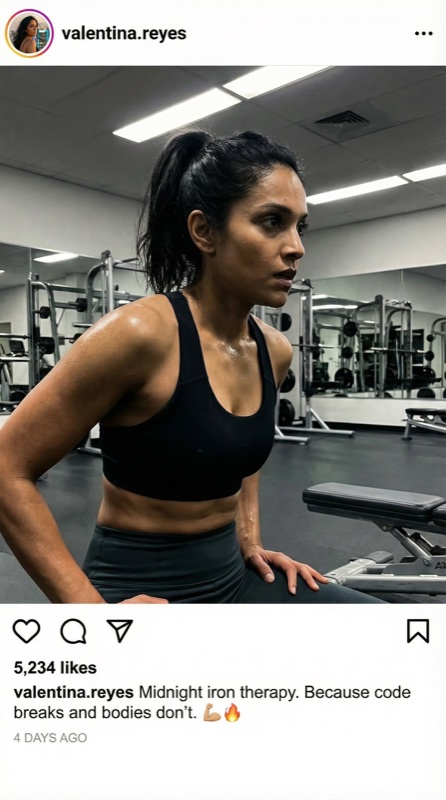
Al Borde del Abismo
Valentina's mother needs emergency surgery — 1.2 million pesos they don't have. Bruno offers a devil's bargain: work exclusively for him on a 'special project' and he'll pay everything. She refuses. Diego, without telling anyone, mortgages his family's home. The framework claims two more victims. Rafa is placed on a humiliating performance improvement plan. Héctor relapses, found drunk at 2 AM in the parking lot. Stefan quietly documents everything — building a case. And when Bruno corners Valentina at the hospital, he reveals the true weapon he's been holding: 'Your father's death at TransMex wasn't an accident. Don Rodrigo covered it up. Work with me... or everyone learns the truth.'
The Diagnosis
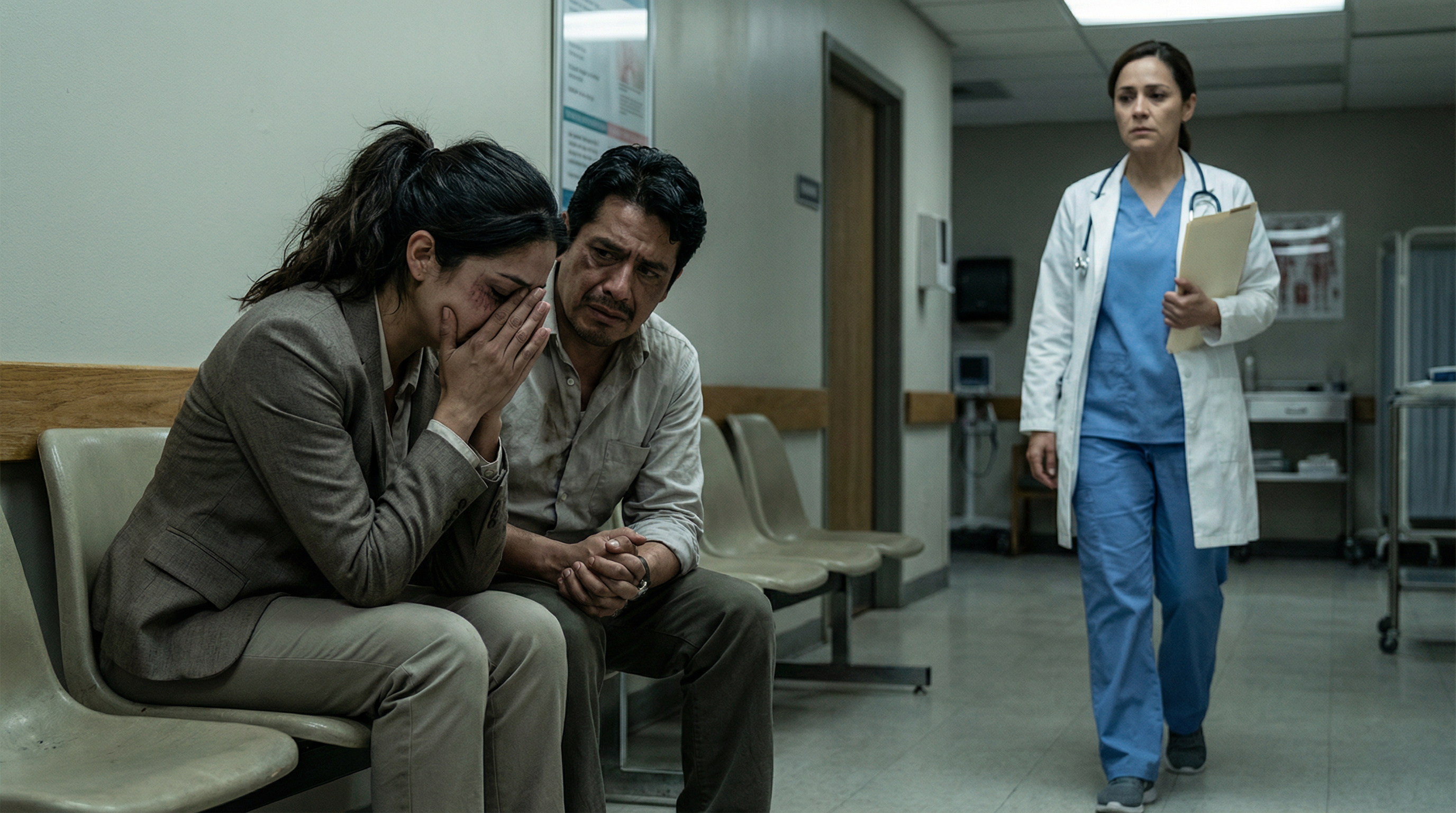
The fluorescent lights of Hospital Ángeles México hummed with the indifference of institutions that had seen too much grief.
Valentina had been in the waiting room for six hours. Diego sat beside her, his hand covering hers, neither of them speaking. What was there to say? Words felt obscene in the face of what was happening behind those double doors.
At 4 AM, Dr. Velázquez finally emerged.
She was a woman in her fifties, with the kind of face that had learned to deliver bad news with compassion. Valentina knew the diagnosis before the doctor opened her mouth — knew it from the set of her shoulders, the careful arrangement of her features.
“The cancer has metastasized to her liver,” Dr. Velázquez said, sitting across from them. “We’ve stabilized her, but she needs surgery. Immediately.”
“Then do it,” Valentina said. “Whatever it takes.”
“It’s a complex procedure. Partial hepatectomy with adjuvant chemotherapy. The success rate is… approximately forty percent.”
Diego’s hand tightened around Valentina’s.
“And without surgery?”
Dr. Velázquez’s eyes were gentle. Terrible. “Weeks. Perhaps a month.”
The world tilted. Valentina gripped the armrest of her chair to keep from falling.
“There’s something else.” The doctor pulled out a folder. “The cost. Surgery, ICU recovery, chemotherapy follow-up. We’re looking at approximately 1.2 million pesos.”
“One point two—” Valentina’s voice cracked. “I don’t have… my mother doesn’t have…”
“I understand.” Dr. Velázquez’s voice was soft. “We have payment plans. Financing options. But the surgery needs to happen within the next seventy-two hours. After that, the window closes.”
She left them with forms and pamphlets and the weight of the impossible.
Diego turned to Valentina. “I’ll find the money.”
“Diego, no. You can’t—”
“I’ll find it.” His eyes were fierce, steady, the eyes of a man who had already made a decision he wouldn’t unmake. “Don’t ask me how. Just trust me.”
Valentina looked at him — really looked at him — and saw something she’d never seen before. Or maybe something she’d been refusing to see.
“Why?” she whispered. “Why would you do this?”
He smiled, sad and sweet. “Because I would do anything for you, Vale. I always have. I always will.”
Before she could respond, her phone buzzed.
A message from an unknown number.
I heard about your mother. I may be able to help. — B
The Devil’s Bargain
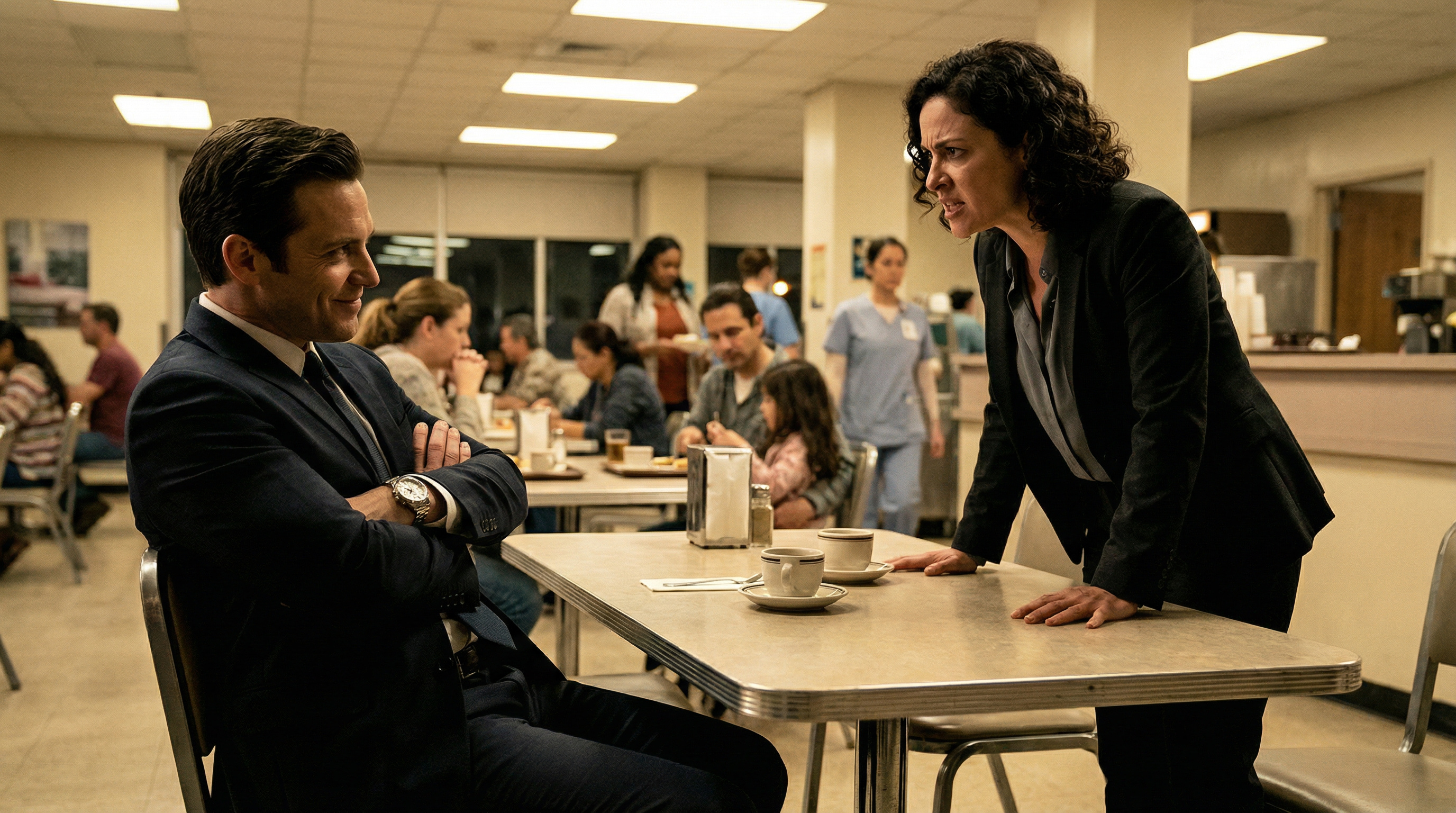
He was waiting in the hospital cafeteria.
Bruno Cavalcanti looked out of place among the exhausted families and rumpled doctors — his suit pressed, his watch gleaming, his smile perfectly calibrated for sympathy.
“Valentina.” He stood as she approached. “I’m so sorry about your mother.”
“How did you know I was here?”
“News travels. You left the office suddenly. Diego drove you.” He gestured to the seat across from him. “Please. Sit.”
She didn’t sit. “What do you want?”
Bruno’s smile didn’t falter. “I want to help. I’ve spoken with some of my contacts in the medical field. Your mother’s surgery — 1.2 million pesos. It’s a significant sum.”
“I’m aware.”
“I can pay for it.”
The words hung between them.
“In exchange for what?” Valentina’s voice was ice.
“Nothing sinister, I assure you.” Bruno leaned back. “I’m working on a special project. A consolidation of several logistics companies across Latin America. Your technical skills would be invaluable. Six months of dedicated work, and your mother’s surgery is covered. Completely.”
“You want me to leave LogiMex.”
“I want you to work directly for me. On something bigger than LogiMex.” His eyes glittered. “Patricio’s little company is a stepping stone. What I’m building is an empire. And you could be part of it.”
Valentina felt the pull. She felt the temptation — the desperate, screaming part of her that would do anything to save her mother.
But she also saw the trap.
“If I say yes,” she said slowly, “I become yours. You own me. My skills, my loyalty, my silence about whatever you’re really doing at LogiMex.”
Bruno’s smile widened. “Such an ugly way to phrase it.”
“But accurate.”
“Pragmatic. I prefer pragmatic.”
Valentina leaned forward, her hands flat on the table. “Let me tell you something about pragmatism, Bruno. My father worked at TransMex for fifteen years. He was pragmatic. He did what he was told, kept his head down, and one day he didn’t come home. Do you know what his pragmatism got him? A coffin. And a daughter who learned very young that there are some things you don’t sell. Not for money. Not for anything.”
Bruno’s expression didn’t change, but something behind his eyes shifted. Calculating. Reassessing.
“That’s very noble,” he said. “But nobility doesn’t pay for surgery.”
“Then I’ll find another way.”
“There is no other way.” He leaned in. “You think your friends at LogiMex will help you? Stefan? He can barely pay for his daughter’s treatment. Mando? He has three children of his own. Diego?” Bruno laughed softly. “Diego can’t even pay for his devotion to you.”
“You don’t know him.”
“I know everyone, Valentina. That’s my job.” He pushed a business card across the table. “You have forty-eight hours. After that, my offer expires. And your options…” He stood. “Well. They become considerably more limited.”
He walked away without looking back.
Valentina sat alone in the cafeteria, staring at the card.
Bruno Cavalcanti. Transformation Architect.
She tore it in half.
The Sacrifice
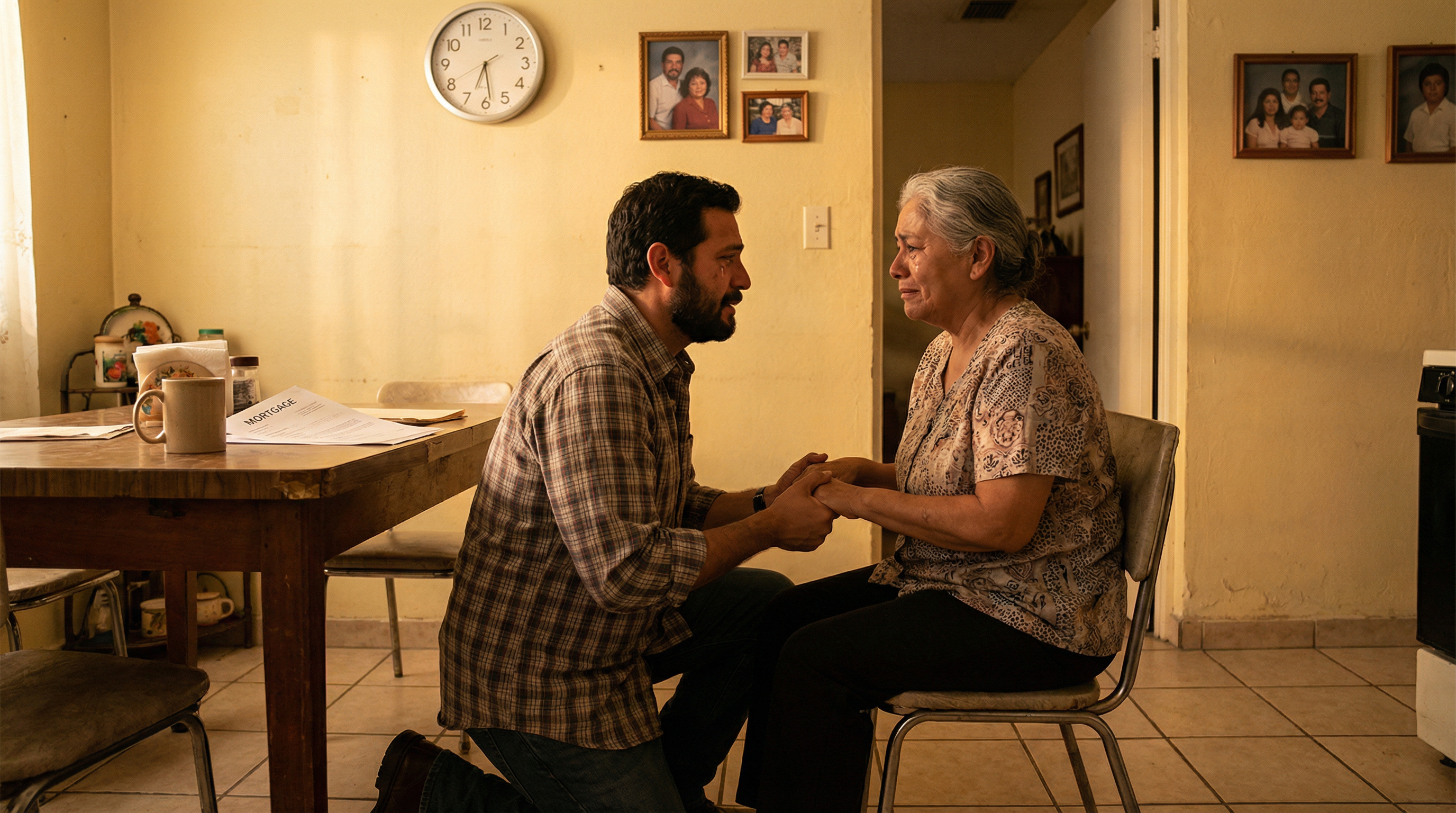
Diego’s family home was a modest two-story house in Coyoacán — pale yellow walls, terracotta roof, a small garden where his mother grew roses.
She had saved for thirty years to buy it. Every peso counted, every sacrifice remembered. When his father died — a heart attack at fifty-two, in the middle of his shift at a factory that didn’t even pause production — this house was what kept them together.
Now Diego stood in the kitchen, mortgage documents spread across the table.
“Mijo,” his mother said, her voice trembling like a leaf in a storm. “What are you doing? What in God’s name are you doing?”
“Something important. Something I have to do.”
“This house is all we have. All I have left of your father. His hands built these walls. His sweat paid for this roof.” Her voice cracked. “When they put him in the ground, this house was the only piece of him I had left to hold onto.”
Diego’s jaw clenched so hard his teeth ached. “I know, Mamá. God, I know. But there’s someone who needs this more than we need safety.”
“The girl from work?” His mother’s eyes were sharp despite the tears streaming down her weathered cheeks. “The one you never stop talking about? The one whose name you say in your sleep?”
“Her mother is dying. There’s a surgery that could save her, but—”
“But it costs more than we’ve ever seen.” His mother sighed, sinking into a chair. “And you think mortgaging our home will help?”
“I know it will.”
“And what about us? What happens when you can’t make the payments? When they come to take everything?”
Diego knelt before her, taking her weathered hands in his. “Then we’ll figure it out. Together. The way we always have.”
“You love her that much?”
“More.”
His mother was silent for a long moment. The clock on the wall ticked. Somewhere outside, children laughed.
Finally, she nodded.
“Your father would have done the same thing.” She wiped her eyes. “Stubborn. Romantic. Estúpido.” A small smile. “Just like you.”
“I learned from the best.”
She kissed his forehead. “Go save your girl, mijo. And bring her home to meet me properly. Before I die of curiosity.”
Diego smiled, but his eyes were wet. “I promise.”
The Framework Destroys
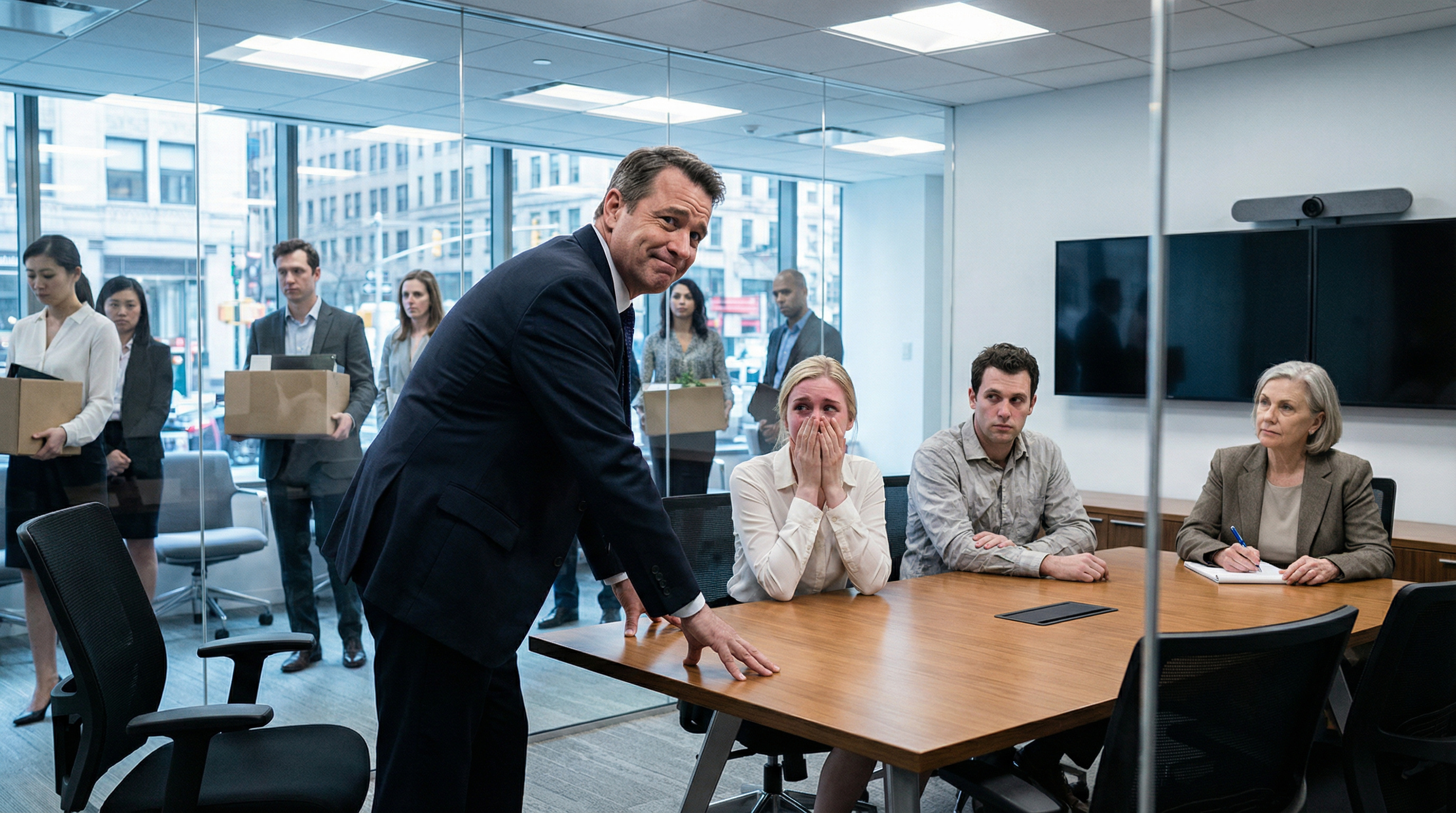
Two more fell on Monday.
Patricia and Manuel — mid-level developers who had been with the company for seven years. Their crime: insufficient velocity. Their story points for the last sprint fell below the mandatory threshold by twelve percent.
Bruno delivered the news in the conference room, with Luciana by his side taking notes.
“This isn’t personal,” he said, his voice dripping with false regret. “The framework identifies underperformance. My job is simply to act on that identification.”
“We were debugging the payment integration,” Manuel protested, his face pale. “It took longer than expected because the legacy code—”
“The framework doesn’t recognize context.” Bruno’s smile was ice. “Only compliance.”
Patricia was crying. She had two children. Her husband had been laid off six months ago. This job was everything.
“Please,” she whispered. “I can do better. I can—”
“Your performance metrics have been documented. HR will process your severance.” Bruno checked his watch. “If you’ll excuse me, I have a meeting with Don Rodrigo.”
He walked out.
The office sat in stunned silence as Patricia and Manuel gathered their things. Mando helped carry boxes. Camila offered tissues. Diego, still reeling from the hospital, watched with growing fury.
“This is insane,” he muttered to Stefan, who stood by the window, observing everything. “They were good developers. Better than good.”
“I know.”
“Then do something.”
Stefan pulled out his phone, opened a document. “I am.”
Diego looked at the screen. It was a spreadsheet — dates, names, quotes, metrics. A meticulous record of every firing, every humiliation, every decision Bruno had made since arriving.
“What is this?”
“Evidence.” Stefan’s voice was quiet but hard. “When the time comes — and it will come — we’ll need proof. Not opinions. Not emotions. Proof.”
“When the time comes for what?”
Stefan looked at him. “For war.”
The Humiliation
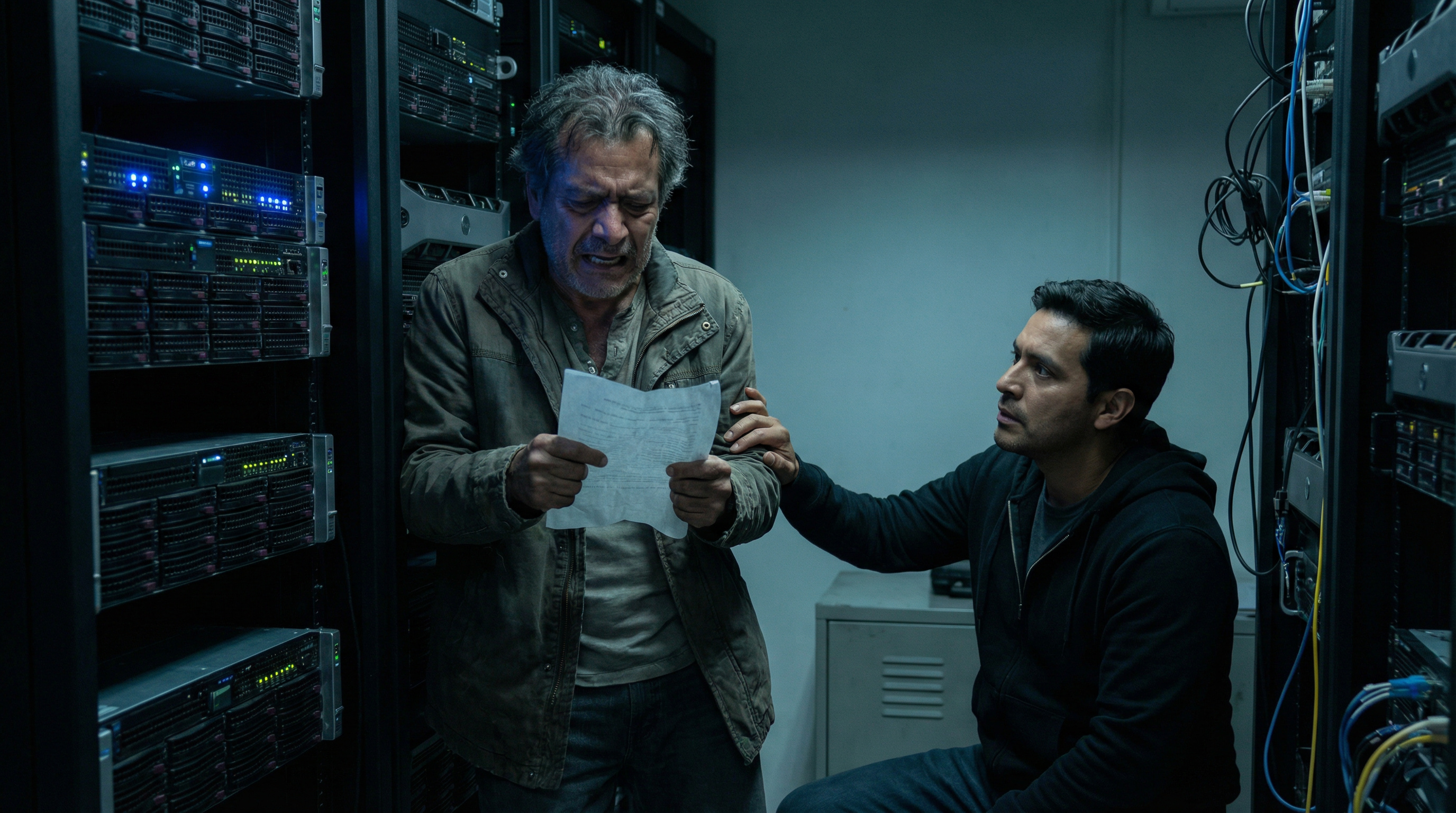
Rafa found the document in his inbox that afternoon.
PERFORMANCE IMPROVEMENT PLAN — CONFIDENTIAL
Employee: Rafael Ortega Role: Senior Database Administrator Deficiencies: Insufficient collaboration with framework processes. Negative impact on team morale. Failure to meet documentation standards.
He read it three times. Each time, his hands shook more. Each time, the words blurred further as something hot and acidic built in his chest — rage, humiliation, betrayal, all of it churning together into something that felt like it might actually kill him.
Twenty years. Twenty fucking years he had given this company. He had built the database architecture from scratch. He had stayed through recessions, through bad management, through the death of his son. He had poured his grief into the code, finding solace in the clean logic of queries and indices.
And now some Brazilian consultant was putting him on a performance improvement plan.
Mando found him in the server room, the document crumpled in his fist.
“Rafa. Hermano.”
“Don’t.” Rafa’s voice was a knife. “Don’t tell me to calm down. Don’t tell me it’ll be okay. Don’t tell me to keep my head down and—”
“I wasn’t going to say any of that.”
Rafa looked at him. Mando’s face was set, determined. The face of a man who had finally reached his limit.
“What were you going to say?”
“I was going to say that I’m done watching.” Mando sat beside him on a server cabinet. “I was going to say that Stefan has a plan. And I was going to ask if you’re in.”
“In for what?”
“For fighting back. Quietly. Carefully. But fighting.”
Rafa stared at his old friend. The anger in his chest — that hot, familiar beast that had been his only companion since they lowered his son into the ground — suddenly found a shape. A direction. A purpose.
“I’m in,” he said. “God help me, I’m in.”
The Relapse
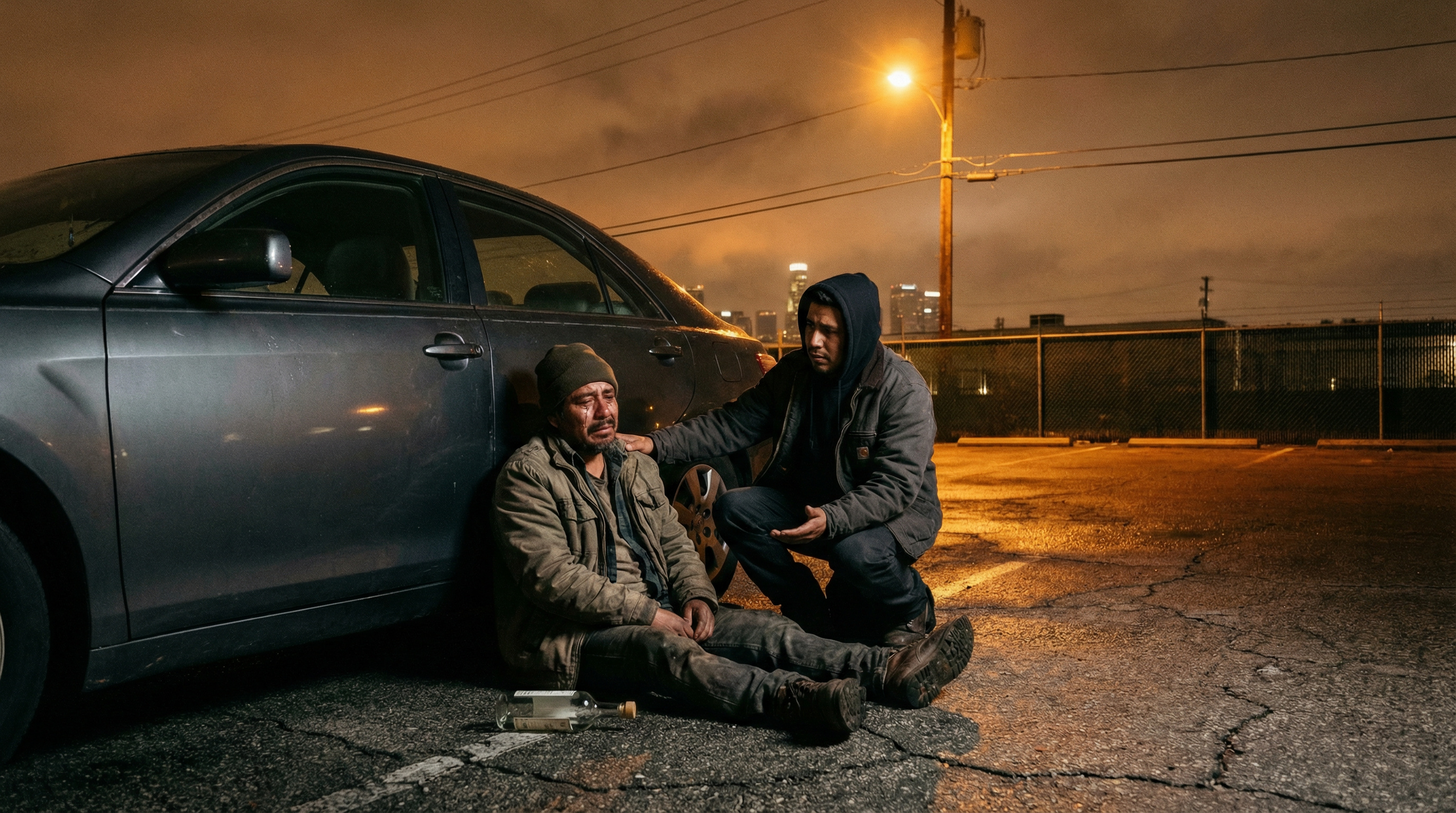
Mando found him at 2 AM, crumpled against his car like a man who’d finally stopped pretending.
The parking lot was deserted. Just Héctor’s battered Toyota — fifteen years old, held together by prayers and poverty — and the man who’d built LogiMex’s entire architecture sprawled against its door like a broken doll. An empty bottle of mezcal lay shattered on the asphalt beside him, glass glittering in the security lights like scattered diamonds. The smell of alcohol and despair hung in the cold night air thick enough to taste.
“Héctor.” Mando dropped to his knees, heart slamming against his ribs. He checked for breathing, for a pulse — alive, thank God, but barely conscious. “Héctor, can you hear me?”
“Mando?” The word came out slurred, broken. Héctor’s eyes were unfocused, swimming with tears and booze. “The fuck you doing here?”
“Couldn’t sleep. Went for a drive.” A lie, but the truth — that he’d been checking on Héctor every night since the humiliation, afraid of exactly this — wasn’t something either of them could handle right now. “Come on, hermano. Let’s get you up.”
“Don’t.” Héctor shoved him away with surprisingly little force. “Don’t touch me. Don’t… don’t fucking look at me like that.”
“Like what?”
“Like I’m pathetic. Like I’m a goddamn failure.” Héctor’s voice cracked like something breaking deep inside him, and suddenly he was sobbing — ugly, heaving sobs that racked his whole body, snot running down his face, his dignity shattered beyond repair. “Because that’s what I am, Mando. That’s all I am now. A drunk. A failure. A fifty-two-year-old piece of shit that some cabrón in a fancy suit is going to throw away like garbage.”
Mando sat down on the cold asphalt beside him. The concrete bit through his pants. Above them, Mexico City’s light pollution had murdered every star in the sky.
“You remember when Elena needed surgery?” Mando asked quietly. “The complications afterward?”
Héctor made a sound that might have been acknowledgment.
“I worked for free for six months. Did you know that?” Mando stared at the empty parking lot. “Don Rodrigo was drowning. The company was weeks from bankruptcy. I told him to keep paying everyone else, that I’d figure it out.” He laughed, soft and tired. “I delivered pizzas at night. Cleaned office buildings on weekends. My kids thought papá was working overtime. Elena thought I was having an affair.”
“Why are you telling me this?”
“Because you think you’re alone.” Mando turned to face him. “You think nobody understands what it’s like to have everything you built — everything you are — threatened by forces you can’t control. But we’re all broken, hermano. Every single one of us. The only difference is whether we break alone or together.”
Héctor’s face crumpled. The sobs came harder now — twenty-five years of suppressed pain tearing loose all at once.
“I built this system with my bare hands,” he choked out. “Line by line. Night after night. Gloria used to bring me dinner at the office and watch me work. She said she loved watching me create something from nothing.” His voice shattered. “She was so proud of me, Mando. So fucking proud. And now she’s gone and the system I built is being called obsolete by some Brazilian piece of shit who couldn’t code his way out of a paper bag, and I’m—”
He couldn’t finish. He pressed his fists against his eyes like a child trying to stop tears that wouldn’t stop.
Mando put his arms around him and held on.
“Thirty days,” he said softly, when the sobs finally slowed. “You had thirty days sober. Thirty days of fighting. That doesn’t disappear because you fell. It means you know how to get back up.”
“I don’t. I don’t know how anymore. I don’t know anything.”
“Then I’ll remind you.” Mando pulled back and gripped Héctor’s shoulders, forcing the older man to meet his eyes. “Not today, hermano. Today you don’t drink yourself to death in a parking lot. Today you don’t give Bruno that satisfaction. Today you come home with me, and Elena makes you coffee that tastes like motor oil, and tomorrow we start planning how to take that bastard down.”
Héctor stared at him. His eyes were red, swollen, still leaking tears.
“Why?” he whispered. “Why do you give a shit about me?”
“Because you gave a shit about me when nobody else did.” Mando stood and offered his hand. “Because that’s what family does. Now get the fuck up.”
Héctor looked at the hand for a long moment.
Then he took it.
The Revelation
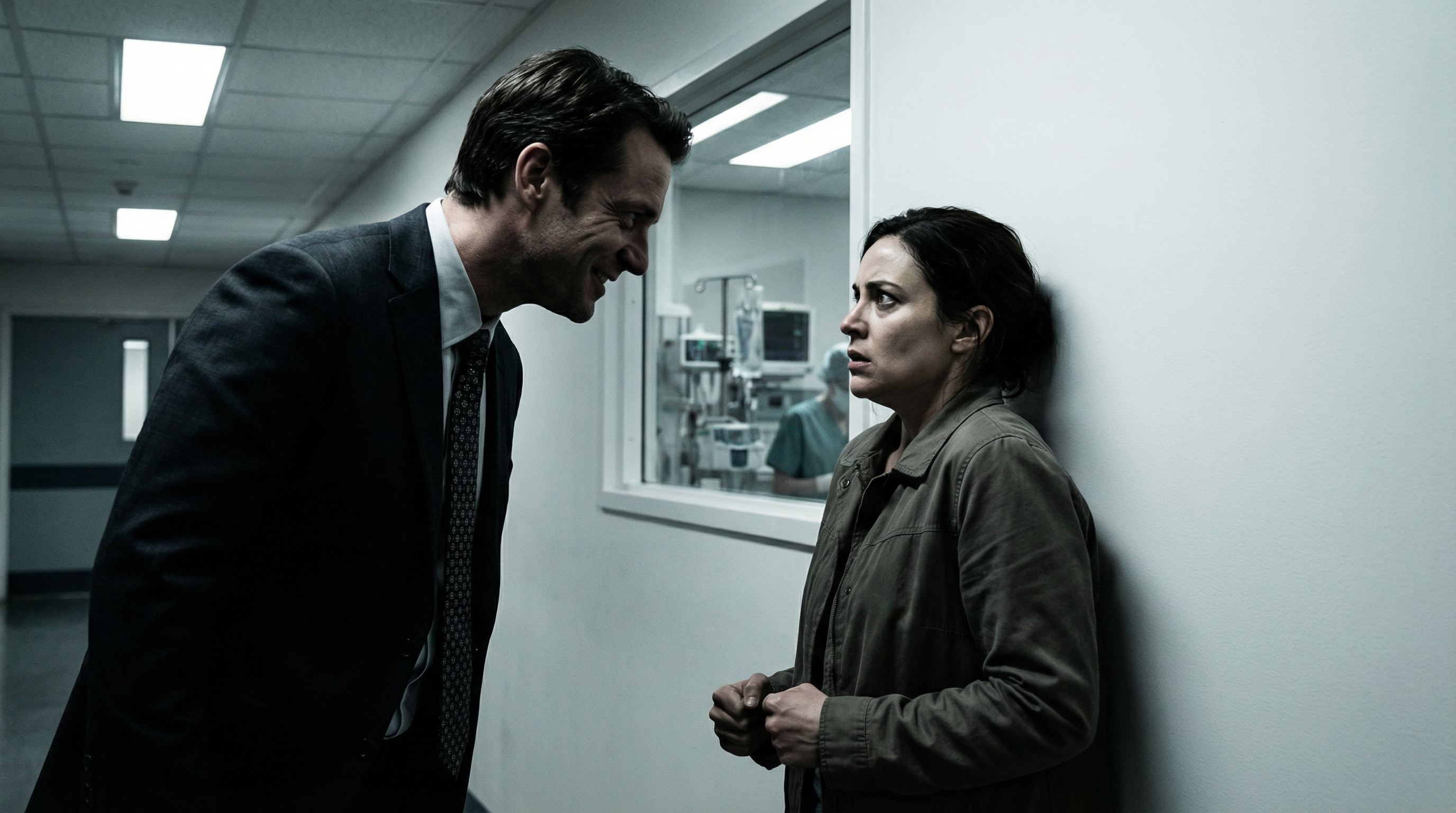
Valentina was leaving her mother’s room when Bruno appeared.
She hadn’t heard him approach — he moved like smoke, sliding through the hospital corridors as if he belonged there.
“You tore up my card,” he said, blocking her path.
“Get out of my way.”
“Your mother looked peaceful through the window. Fragile. Like a woman who doesn’t have much time left.”
Valentina’s hands clenched into fists. “If you don’t move, I will make you move.”
“Thirty seconds. That’s all I ask. Then I’ll leave you alone forever — if that’s what you want.”
She should have walked away. Should have called security. Should have done anything except stand there and let him speak.
But something in his voice — something triumphant, something knowing — held her in place.
“What.”
Bruno smiled. The smile of a man laying down a winning hand.
“Your father, Francisco Reyes. Died in an industrial accident at TransMex Trucking, May 15th, 2015. The official report cited equipment failure — a faulty crane mechanism. Tragic. Unavoidable.”
Valentina’s blood ran cold. “How do you know that?”
“I know many things. I also know that the report was wrong.” He stepped closer. “There was no equipment failure. There was negligence. Don Aurelio — the rancher, the co-owner — cut the safety budget by 40% that year. The crane hadn’t been inspected in eighteen months. And when your father died, Don Rodrigo helped cover it up.”
“You’re lying.”
“Am I? Think about it, Valentina. Why did Don Rodrigo welcome you so warmly? Why did he treat you like a daughter? Guilt. He’s been paying for your family’s silence for ten years, and you never even knew.”
Valentina couldn’t breathe. The hallway was spinning.
“I don’t believe you.”
“Then ask him.” Bruno shrugged. “Ask him about the settlement your mother received. Ask him why she never told you where the money came from. Ask him—” he leaned in close, his breath hot against her ear— “ask him why he cries at his wife’s grave about the secrets he carries.”
Valentina shoved him back. Her hands were shaking. Her vision was blurring.
“Why are you telling me this?”
“Because knowledge is leverage. And I want you to understand exactly what you’re choosing.” He straightened his jacket. “Refuse my offer, and I’ll make sure everyone knows. The press. The authorities. Your colleagues. The man you’ve been defending — the man who welcomed you like family — helped cover up your father’s death.”
“That would destroy LogiMex.”
“Yes.” Bruno’s smile widened. “It would.”
He walked away, his footsteps echoing off the sterile walls.
Valentina collapsed against the wall, sliding down until she was sitting on the cold floor.
Don Rodrigo covered it up.
The words echoed in her skull.
He knew. He always knew.
The Surgery
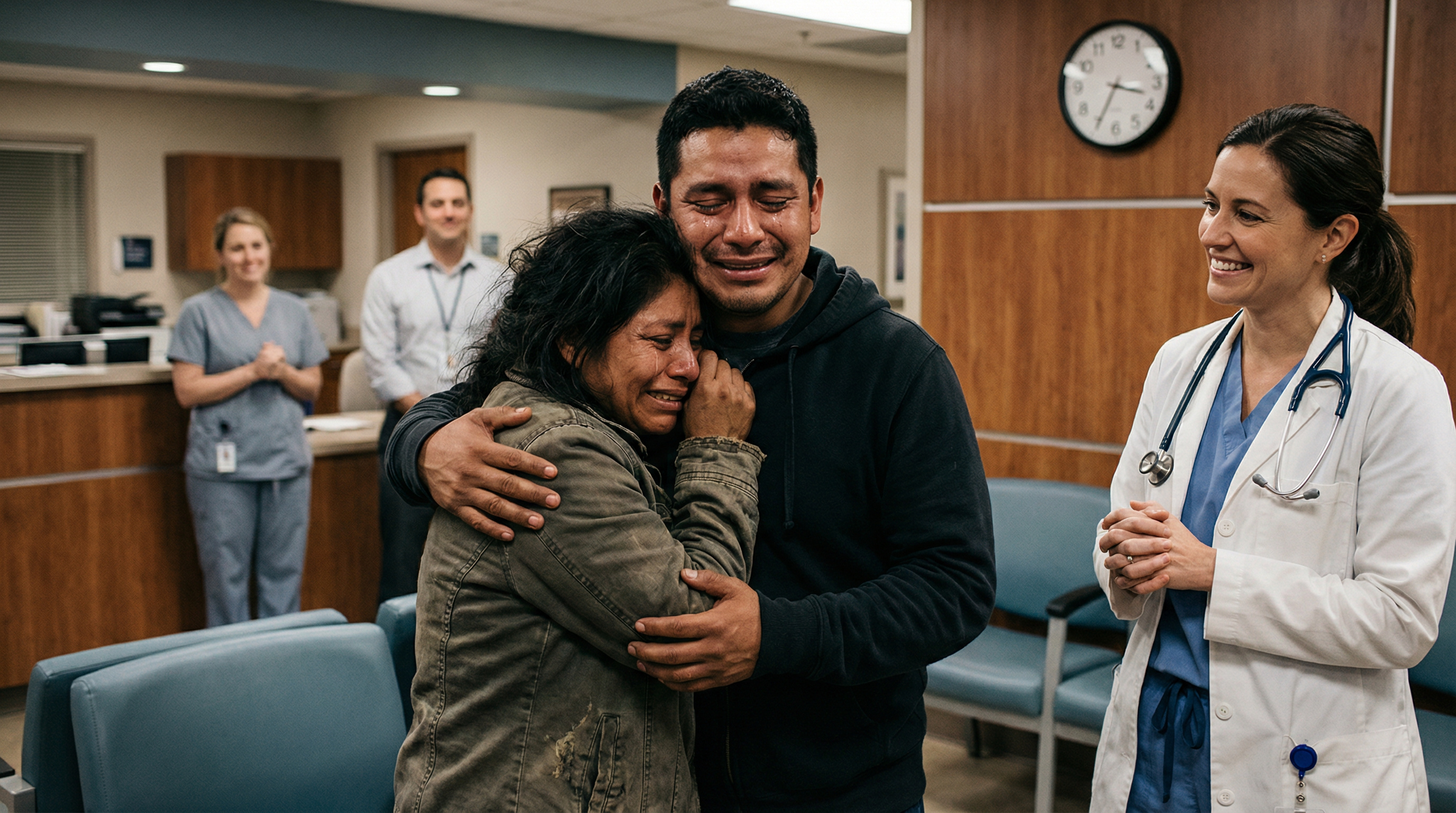
The surgery happened on Thursday morning.
Diego had brought the money — 1.2 million pesos, wired from the bank that now held his family’s home as collateral. He handed over the paperwork without telling Valentina where it came from. Not yet. Not until this was over.
She sat in the waiting room, hollow-eyed and silent.
Six hours. Six hours of staring at the same clock, the same wall, the same terrible uncertainty. Mari came. Mando came. Even Stefan appeared, sitting quietly in the corner with his laptop, working but present.
Diego never left her side.
At 4:17 PM, Dr. Velázquez emerged.
Valentina stood so fast she nearly fell. Diego caught her arm.
The doctor’s face was unreadable. And then — then — she smiled.
“The surgery was successful. We removed ninety percent of the tumor. She’ll need chemotherapy, but… she has a chance now. A real chance.”
Valentina broke.
The tears came all at once — relief and grief and exhaustion and something she couldn’t name pouring out of her in great, wracking sobs. Diego held her, his own eyes wet, as their colleagues looked on with quiet smiles.
“She’s going to live,” Valentina whispered. “She’s going to live.”
“She’s going to live,” Diego confirmed. “Because you never gave up. Because we never gave up.”
She pulled back, looking at him through blurred eyes.
“You paid for this. You.”
He couldn’t lie to her. Not now. “I would do anything for you, Vale. Anything.”
She was crying. He was crying. And then, without thinking, without planning, she was in his arms — really in his arms — her body pressed against his, her face buried in his chest, her fingers gripping his shirt like he was the only solid thing in a world that kept trying to break her. He was holding her like he would never let go, like letting go would kill him.
She could feel his heart pounding against her cheek. Could feel the warmth of his body seeping through his shirt. Could feel something shifting between them that could never be unshifted.
“Thank you,” she whispered against his chest. “Thank you, thank you, thank you.”
“Always,” he said. “Always.”
The Threat
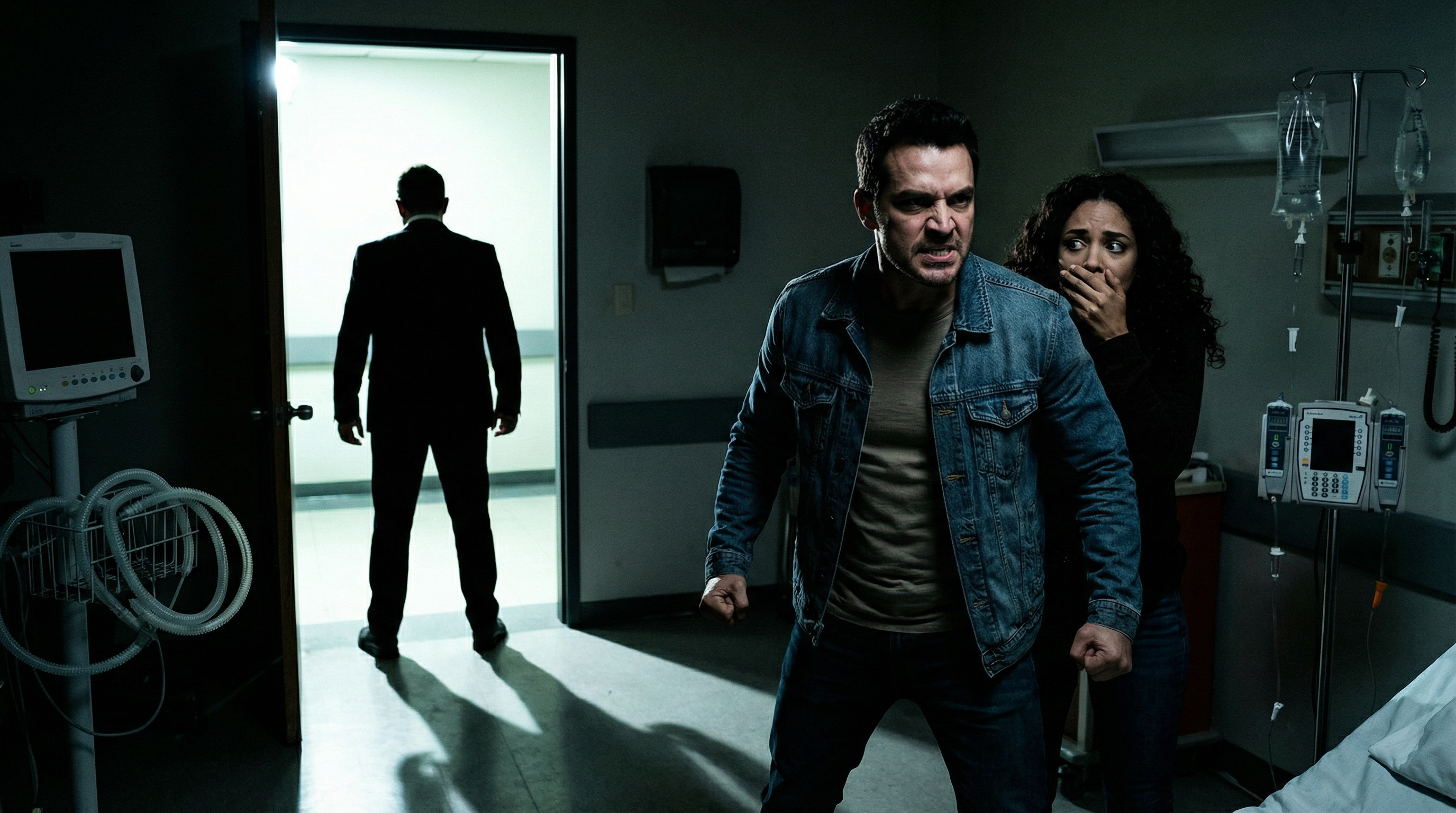
Then Bruno appeared at the door.
He was silhouetted against the harsh hospital light, his expression unreadable.
“Valentina. We need to talk. About your future.” His voice cut through the room like a blade. “Unless you want everyone to know what really happened to your father at TransMex.”
The room went cold.
Diego released Valentina, stepping forward. His hands were fists at his sides.
“Get out.”
Bruno didn’t flinch. “This is between me and Miss Reyes.”
“No. It’s not.” Diego’s voice was low, dangerous. “Whatever you think you have on her, whatever game you’re playing — it ends now.”
“Noble. Foolish, but noble.” Bruno’s eyes moved to Valentina. “Forty-eight hours. After that, my patience expires.” He smiled — cold, predatory. “And you’ll discover that I’m much less pleasant when I’m impatient.”
He turned to leave, then paused.
“By the way — the money for the surgery. I know where it came from.” He glanced at Diego. “Your mother’s house. How romantic. How… vulnerable.”
He walked away.
The silence that followed was deafening.
Valentina stared at Diego. “Your mother’s house?”
“Vale—”
“You mortgaged your mother’s house?”
“I told you.” His voice cracked. “I would do anything.”
She was crying again — but these tears were different. Anger. Fear. Love. All tangled together.
“You can’t. Diego, you can’t. If Bruno—”
“Bruno can burn.” Diego took her hands. “Listen to me. Whatever he’s holding over you — we’ll face it together. You, me, Stefan, Mando, all of us. We’re not alone. We’ve never been alone.”
Valentina looked at him. At this man who had loved her in silence for years. Who had risked everything — his family’s security, his future, his heart — without asking for anything in return.
“He knows about my father,” she whispered. “He knows Don Rodrigo covered up the truth about how he died.”
Diego’s face went pale.
“Then we find out if it’s true,” he said finally. “And if it is… we decide what to do. Together.”
“And Bruno?”
Diego’s jaw set.
“Bruno has made an enemy. He just doesn’t know it yet.”
Outside the window, Mexico City sprawled in all its chaotic glory. Twenty million people carrying secrets of their own, nursing griefs they’d never share, making choices that would ripple through lives they’d never touch. In his office, Don Rodrigo stared at a photo of his late wife, wondering if the sins of the past could ever truly be buried. Patricio nursed a whiskey in the executive lounge, the weight of his gambling debts crushing him more with each passing hour. And in the server room, Stefan’s laptop cast blue light across his face as he updated the spreadsheet that would eventually bring Bruno down — one documented abuse at a time.
In the hospital, bathed in the soft glow of evening light, Lucia Reyes opened her eyes for the first time in hours. Her daughter sat beside her, exhausted but present, refusing to let go of her hand. And when their eyes met, Lucia smiled — the smile of a woman who had walked to the edge of death and found her way back.
The storm was coming. But so was the dawn.
🎭 This Week's Episodes
Telenovelas show what we can't say in client meetings. The drama is heightened, but the patterns are real.
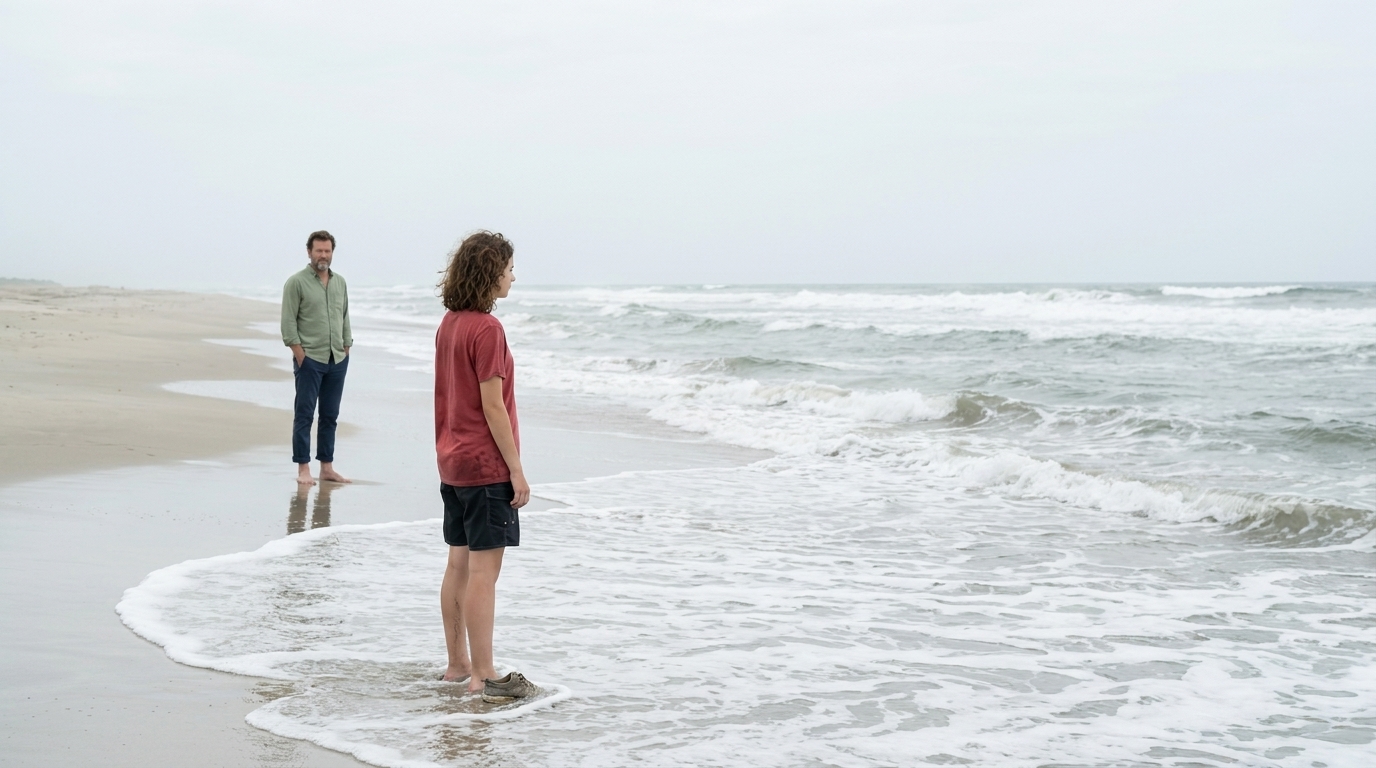 Three Ways to Understand a Country
Stefan drives Sophie to the Pacific for two days. The beach is big enough to make her feel appropriately small. Back at the finca the rain keeps th...
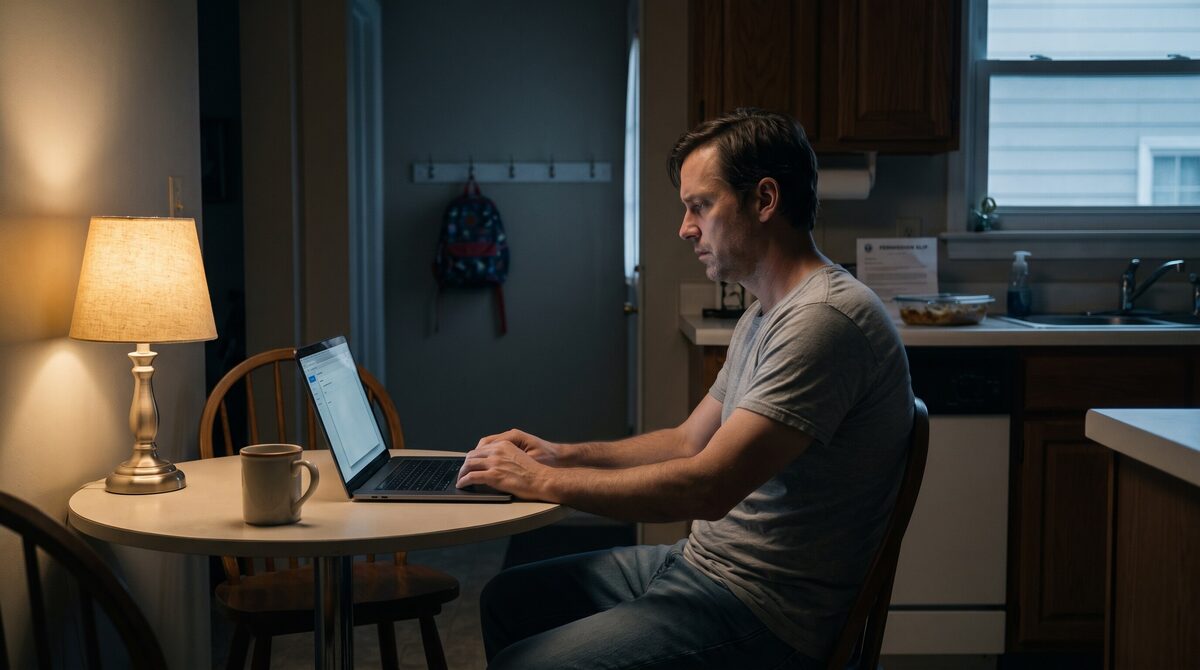 The Resignations
Nathan Cole resigns on a Monday morning with two sentences and no argument left in his body. By Tuesday his desk is empty and the company's institu...
Technical Consultancy
Embedded Delivery Partner
Embedded into your team as an active contributor, reducing delivery friction and helping important work move cleanly.
Technical Advisor
Peer-style technical assessments before far-reaching decisions; reduce architectural and product risk early.
Product & Delivery
Ship working software to real users earlier. Measure impact and adapt based on evidence rather than assumption.
Custom Software Development
High quality, maintainable software. Short-term augmentation that leaves lasting capability in your own team.
Recent Articles
- When Everything Is Finally Under Control (28.09.2026)
- AI Makes Technical Execution Cheap. Judgment Stays Scarce. (24.09.2026)
- The LLM Will Not Come Back Tomorrow (19.09.2026)
- The One-Person AI Company Is a Greed Fantasy (15.09.2026)
- Test Production Without Leaving a Mess (10.09.2026)
Explore More