La Verdad
The emergency board meeting Don Hernando demanded has arrived. Mariana and the Vulcano Capital team want answers. Alejo has one final card to play. Isabella must choose between power and integrity. And Sebastián finally finds his voice to say what should have been said months ago. In a room where everyone has something to hide, the truth becomes a weapon — and the question isn't who will wield it, but who will survive it.
The Gathering Storm
Monday, 7:45 AM. FinPulso office.
The conference room has been transformed. Don Hernando demanded it. The usual startup casualness — bean bags, motivational posters, the ping-pong table visible through the glass — is gone. In its place: formal chairs, water carafes, leather-bound folders at each seat. Like a courtroom.
Sebastián arrives first. His hands shake as he arranges his presentation materials. Deployment metrics. Test coverage graphs. The pipeline dashboard showing their progress. Evidence of change.
But he knows what this meeting really is: a trial.

Isabella enters, looking exhausted. “I couldn’t sleep.”
“Neither could I.”
She sits beside him. For a moment, they’re just two people who built something together and watched it nearly fall apart.
“Sebastián—” she starts, then stops. “Whatever happens today, I want you to know that I’m proud of what we built. Not the lies. Not the fake demos. The real thing. The idea that people in Soacha and Kennedy and Bosa could have the same financial tools as people in Rosales.”
“We’re not dead yet,” he says.
“No. But we might be by lunch.”
The elevator dings. Camila and Diego arrive, carrying laptops. Behind them, Stefan. And then Don Hernando, his leather boots clicking on the polished floor, Laura three steps behind him with her ever-present notebook.
Mariana Ríos is the last to arrive. The investor. The woman whose $15 million is on the line. She’s accompanied by two other Vulcano Capital partners — both men, both looking grim.
“Where’s Alejo?” Don Hernando demands.
As if summoned, the CFO appears. Perfectly dressed. Perfectly composed. His smile is warm and unconcerned.
“My apologies. Traffic on the Autopista.” He takes his seat at Don Hernando’s right hand. The power position.
Mariana doesn’t smile back. “Let’s begin.”
The First Truth
Don Hernando stands. The patriarch. The man who built empires with his bare hands.
“I called this meeting because I owe you the truth. All of it.” His voice is steady, but his hands grip the table. “Six months ago, I stood in a different room and made promises. A working platform. A million users. Expansion to Mexico and Peru.”
He pauses. The silence is heavy.
“We have none of those things. We are not where I said we would be.”
Mariana’s face is unreadable. “We’re aware of the delays. What we want to know is why — and what’s being done.”
“Sebastián will explain the technical situation,” Don Hernando says. “But first, I need to say something I should have said months ago.” He turns to his co-founder. “Sebastián, I took your company. I took your title. I thought I knew better because I’d built businesses before. I was wrong. A cattle ranch is not a software company. And a leader who demands obedience is not what developers need.”
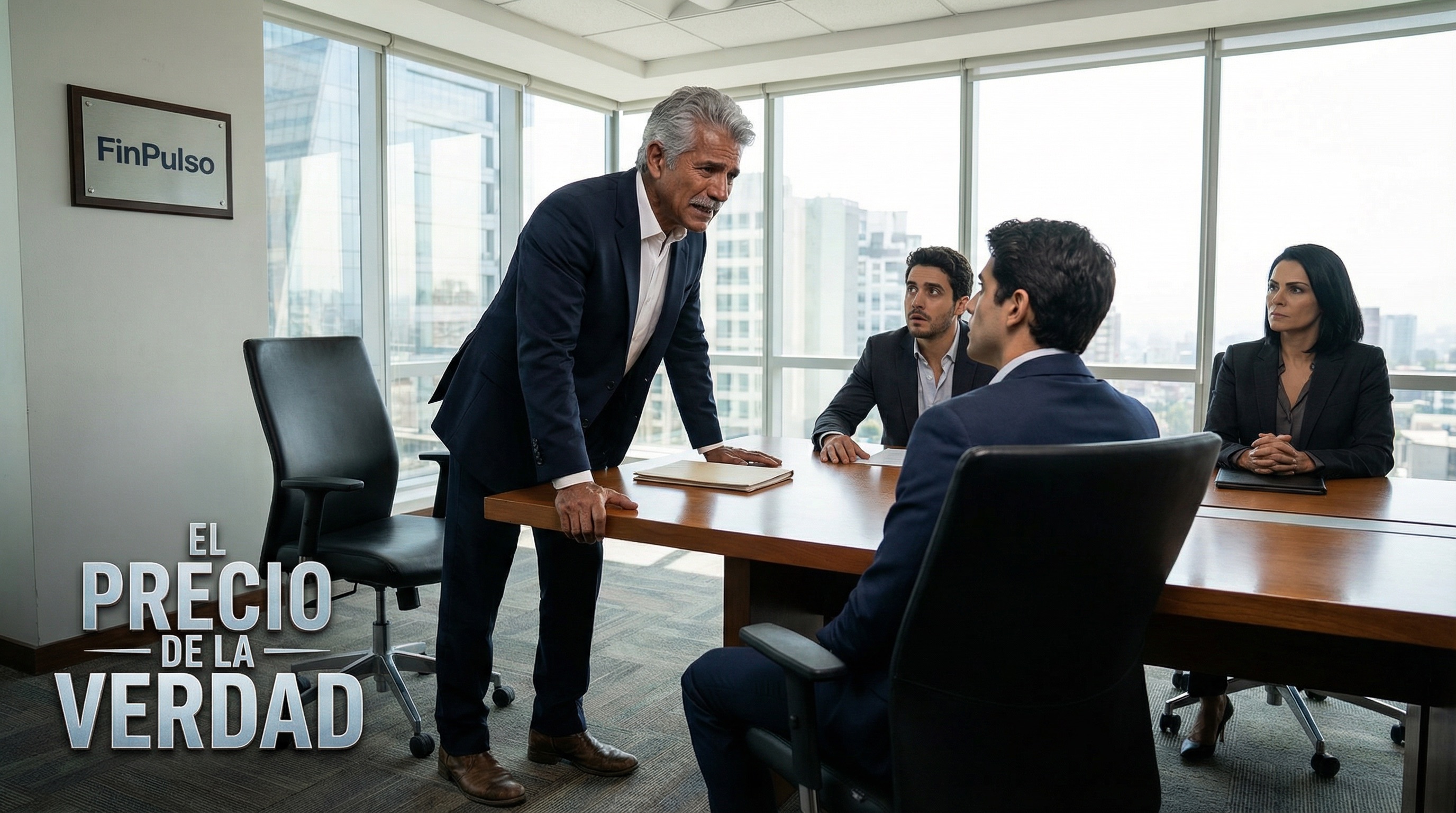
Sebastián’s eyes widen. He wasn’t expecting this.
“I want to propose a change,” Don Hernando continues. “Effective immediately, Sebastián Duarte returns to the role of CEO. I will remain as chairman and primary investor. But the company needs a leader who understands it. Not a rancher who thinks code is like cattle.”
The room is stunned. Mariana looks impressed. The other board members exchange glances.
But Alejo’s smile has frozen on his face like a death mask. His fingers grip the armrests so tightly his knuckles go white. For just a moment — a fraction of a second — something ugly flickers behind his eyes. Raw, murderous rage.
Then the mask snaps back into place.
“Don Hernando,” the CFO says smoothly, “perhaps we should discuss this privately before making such significant—”
“No.” The old man’s voice is steel. “I’ve made enough decisions in private. I’ve hidden enough. This is being done in the light, where everyone can see.”
Sebastián stands slowly. His legs feel unsteady but his voice is clear. “I accept. But I have conditions.”
“Name them,” Don Hernando says.
“Full technical autonomy for the development team. No more promises to investors about features until engineering signs off. And—” he looks at Alejo, “—complete financial transparency. Every contract. Every payment. Everything on the books.”
“Agreed,” Don Hernando says.
Alejo’s jaw tightens. “Some of our arrangements are commercially sensitive—”
“Then we’ll sign NDAs,” Mariana interrupts. “But I want to see them too. All of them.”
The CFO’s mask slips for just a moment. The calculation in his eyes is visible to everyone.
“Of course,” he says. “Transparency is important.”
But everyone in the room knows: the game just changed.
The Technical Truth
Sebastián’s hands are steadier now. He opens his laptop, projects the screen.
“Here’s where we actually are.”
The dashboard appears. Green pipelines. Test coverage at 87%. Deployment frequency: 6.3 per day. Lead time: 42 minutes from commit to production.
“These metrics are from the past six weeks,” he says. “We rebuilt the platform from the ground up. Every feature is tested. Every deployment is automated. Every change is visible.”
He clicks to the next slide. “This is what we had six months ago.”
The contrast is brutal. Manual deployments. No tests. Lead time measured in weeks.
“The gap between those two states is the truth we’ve been hiding. We weren’t delayed by bad luck or external factors. We were delayed because we didn’t build it right the first time. Because I let pressure override discipline. Because I made promises I couldn’t keep and then lied to cover it up.”
Isabella is watching him with something like wonder.
“But here’s the other truth,” Sebastián continues. “In the past six weeks, we’ve deployed 267 times. We’ve fixed 89 bugs. We’ve added seven real features that users actually need. All without downtime. All without drama. Because we finally started doing it right.”
Diego leans forward. “The platform you saw in demos six months ago? Most of it was smoke and mirrors. What you’re looking at now is real. Smaller. But real.”
Mariana studies the dashboard. “What’s your current user count?”
“Twelve thousand,” Sebastián admits. “Not a million. But they’re real users. Real transactions. Real money moving through the system safely.”
“And the AI-powered risk assessment feature?” one of the other board members asks.
The room goes quiet.
Sebastián takes a breath. “There is no AI. There was a team in Venezuela doing manual reviews. We paid them through a shell company to hide the truth.”
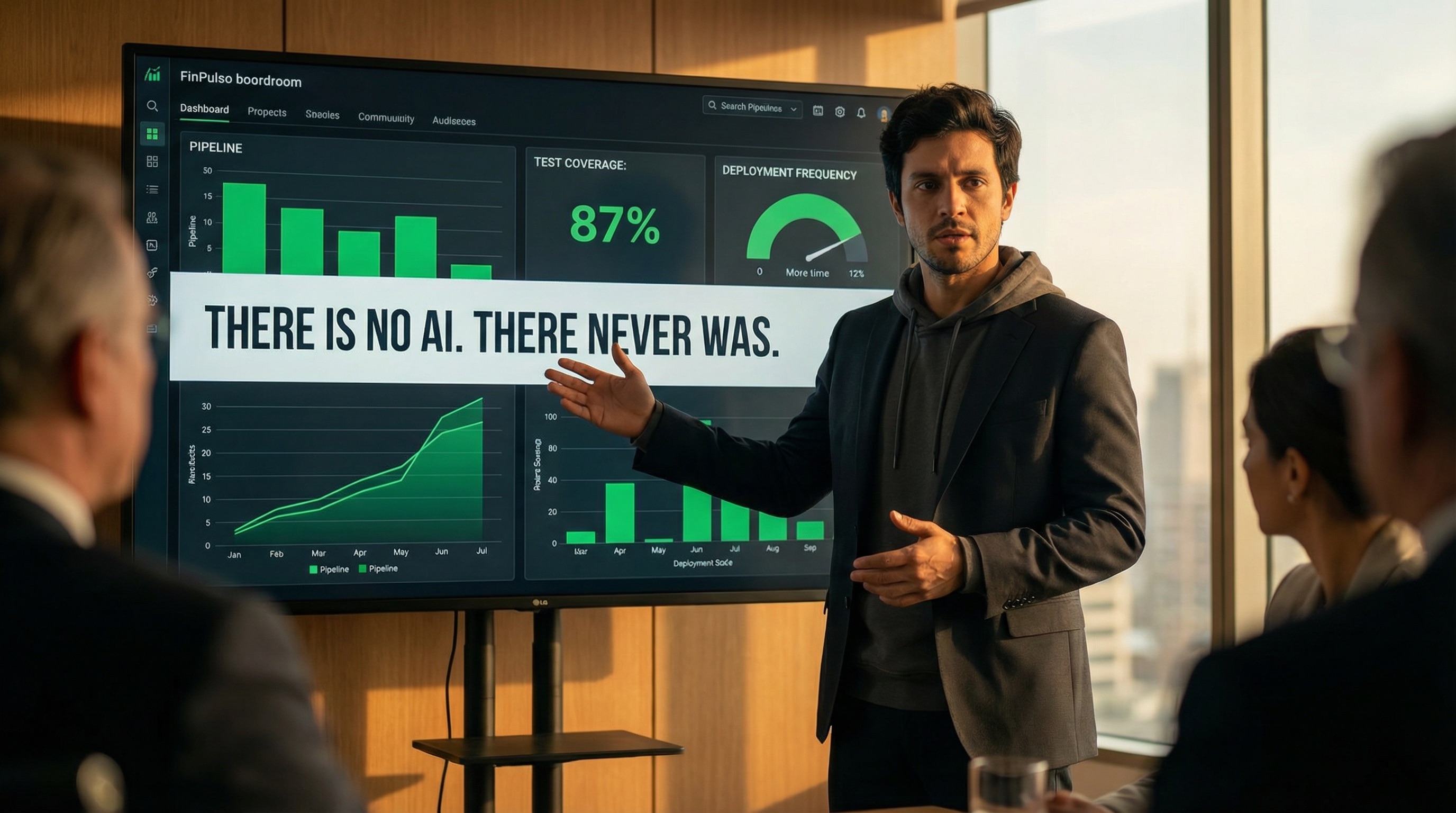
The explosion is immediate.
“You lied to us?” The board member’s face is red. “You committed fraud!”
“Yes,” Sebastián says simply. “We did. I did. And I can’t undo it. All I can do is tell you the truth now and show you we’re fixing it.”
Mariana raises a hand. The room quiets.
“Show me the actual AI replacement plan.”
Camila stands. The junior developer. The one no one expected.
“I built it.” Her voice is quiet but firm. “Rule-based risk scoring using transaction patterns and user behavior. It’s not machine learning, but it works. We’ve been testing it in production for three weeks. Accuracy is 94% compared to the manual reviews.”
She projects her own screen. Clean code. Comprehensive tests. Documentation that actually explains what the system does.
“The AI was always a distraction,” she continues. “What users need is safety and speed. This gives them both. And unlike the AI story, it’s actually true.”
Stefan, watching from the back of the room, smiles.
The Financial Truth
Mariana turns to Alejo. “What’s the burn rate?”
The CFO pulls up his own spreadsheet. Perfect columns. Perfect formulas.
“Our monthly burn is $340,000. At current runway, we have 14 months before we need additional capital.”
“And the Venezuelan team?”
“Terminated as of last week,” Alejo says smoothly. “A cost savings of $18,000 per month.”
“Show me the contracts,” Mariana says.
“They’re in my office—”
“No. Show me now. You have them digitally.”
The tension is a physical thing. Alejo’s smile is still in place, but there’s sweat at his hairline.
“Mariana, I don’t think this is the appropriate venue—”
“I’m the lead investor and a board member. Show me the contracts.”
Laura, from her position behind Don Hernando, clears her throat softly. “If I may?” She holds up her tablet. “I have copies of all FinPulso’s contracts. Including the ones stored on Señor Vega’s personal laptop.”
Every head turns toward her.
“Laura—” Alejo’s voice is dangerous now. “Those are confidential—”
“They’re company property,” Don Hernando says. “Stored on company servers. Which you access through your company laptop. Show them, Laura.”
The assistant projects her screen. A folder structure appears. And there, buried in subdirectories with innocent names, are files that shouldn’t exist.
“Consulting Agreement — MiPago Strategic Services — $50,000 per month.”
“Advisory Retainer — Banco Atlántico — $35,000.”
“Information Services — VentureLink Panama — $25,000.”
Isabella gasps. “These are our competitors.”
“Not competitors,” Alejo says quickly. “Industry contacts. Market research. This is standard—”
“This is fucking espionage,” Diego says flatly. “You’ve been selling our roadmap. You piece of shit.”
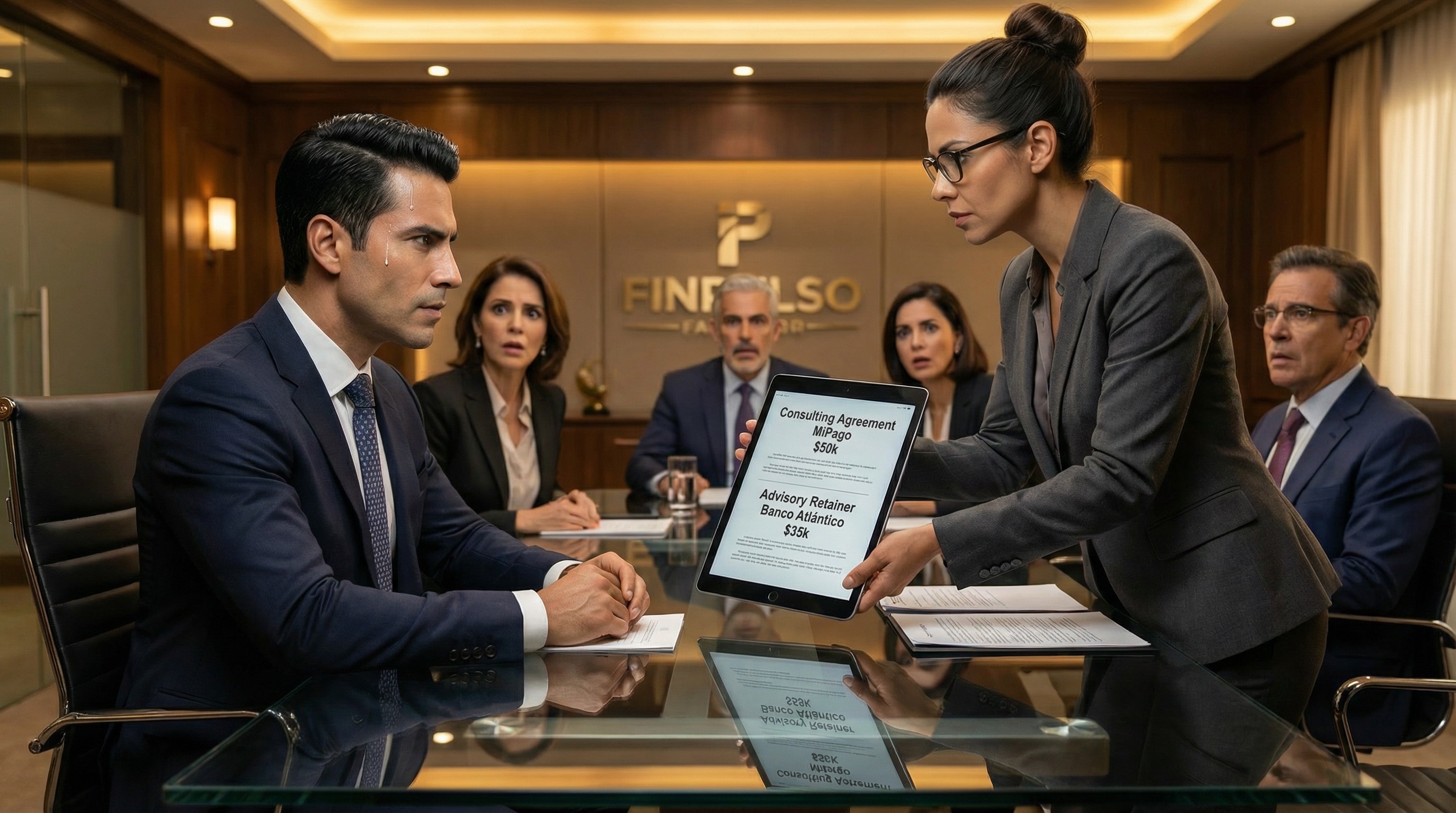
Mariana’s voice is ice. “How long?”
Laura scrolls. “First payment was nine months ago. Total received: $847,000.”
The number hangs in the air.
“That’s more than your annual salary,” Don Hernando says slowly. “You’ve been paid more by our competitors than by us.”
Alejo stands abruptly. “This is a witch hunt. Those contracts are perfectly legal. I disclosed them—”
“To whom?” Mariana demands. “Show me the disclosure forms.”
Silence.
“You didn’t disclose anything,” she says. “You’ve been systematically looting this company while positioning yourself to flip it. The MiPago merger discussions Diego mentioned? You weren’t representing FinPulso. You were representing yourself.”
The CFO’s mask is completely gone now. What remains is cold calculation.
“FinPulso was going to fail anyway,” he says. “I was creating a soft landing. A merger would have saved jobs. Saved the investors’ money. Don Hernando would have walked away with something instead of nothing.”
“And you would have walked away with everything,” Isabella says. “CEO of the combined company. Control of the technology. All of it.”
Alejo’s eyes find hers. “I offered you a place in that future. You said you’d think about it.”
The room goes silent. All eyes on Isabella.
The Heart’s Truth
Isabella stands slowly. Her hands are shaking, but her voice is steady.
“You did offer me that. Dinners at the best restaurants. Promises of power. Weekends in Cartagena where you painted pictures of what we could build together.”
Sebastián’s face goes pale.
“And I was tempted,” she continues. “Not by you, Alejo. By the idea of finally having a seat at the table. Of being more than the girl from Kennedy who got lucky.”

She reaches into her bag and pulls out a small notebook. The kind she’s always carried.
“But then I remembered why I came to FinPulso. Not for power. Not for money. Because I met a guy at a tech meetup who showed me sketches of an app that would help my father — a taxi driver — manage his money better. Who said that financial services shouldn’t just be for rich people.”
She looks at Sebastián. “That guy was you. And somewhere along the way, we forgot that person existed. We forgot what we were actually trying to build.”
Tears are running down Sebastián’s face.
“So I started documenting everything,” Isabella continues. “Every suspicious meeting. Every contract Alejo tried to hide. Every moment when we chose the impressive over the honest.” She hands the notebook to Mariana. “It’s all in here. Dates. Names. Amounts. Everything you’ll need for the lawyers.”
Alejo’s face is ashen. “You were spying on me?”
“No. I was protecting the company you were destroying. There’s a difference.”
Don Hernando is staring at Isabella with something like awe. “Why didn’t you come to me?”
“Because I wasn’t sure you’d believe me over him. You loved Alejo. He reminded you of your son.”
The old man flinches as if struck. “How did you—”
“Everyone knows, Don Hernando. Laura talks when she’s had wine. You brought Alejo in because he had the confidence your son never showed. The business sense you wished your boy had developed. You saw in Alejo what you missed in Miguel.”
Laura’s hand covers her mouth. The secret that was never really secret.
“But Miguel wasn’t a businessman,” Isabella says gently. “He was a programmer. A dreamer. Like Sebastián. And maybe if you’d loved him for who he was instead of wishing he was something else, he’d still be here.”
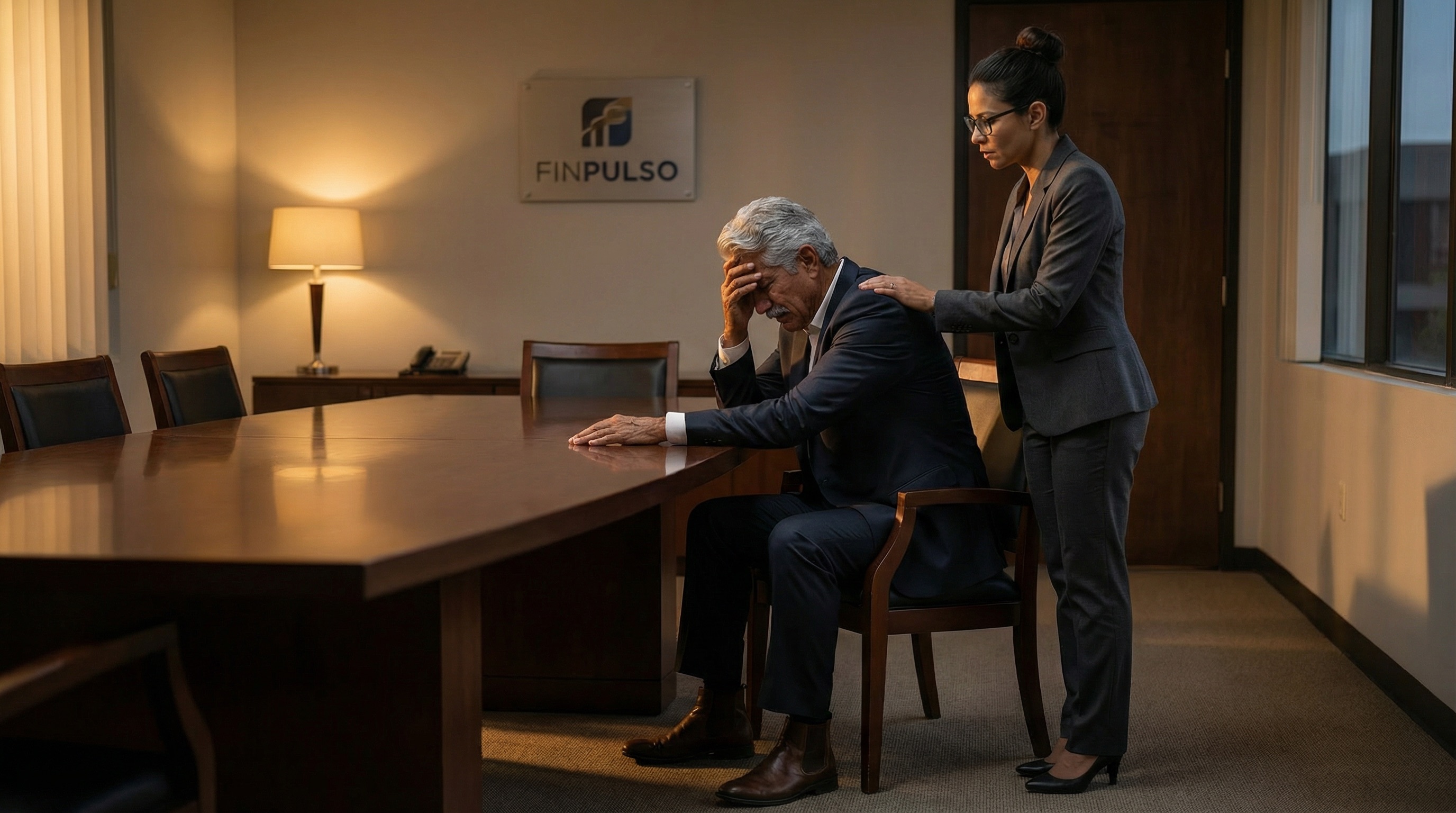
The silence is absolute. Don Hernando sits like a statue, his weathered face frozen. Then, slowly, he lowers his head into his hands.
“You’re right,” he whispers. “Dios mío, you’re right.”
Laura moves to his side, one hand on his shoulder. The patriarch is weeping.
After a long moment, he looks up. His eyes find Sebastián.
“You’re nothing like Alejo. You’re exactly like Miguel. And I’ve been punishing you for it instead of seeing it as the gift it is.”
Sebastián crosses the room. The young CEO and the old rancher embrace. Two men carrying different griefs, finally understanding each other.
The Consequences
Mariana closes Isabella’s notebook. “Alejo Vega, effective immediately, you’re terminated for cause. You have one hour to clear your office. Security will escort you. If you’re on company property after that, we’ll call the police.”
“You can’t do this—”
“I can and I am. Don Hernando, as primary shareholder, do you concur?”
“Sí.” The old man’s voice is steel again. “Get out of my sight.”
Alejo grabs his phone, his laptop bag. His hands are shaking — not with fear, but with fury. At the door, he turns back.
“You’re all fools.” His voice is a snarl now, the cultured smoothness stripped away to reveal something feral underneath. “Every goddamn one of you. You think honesty pays the bills? You think your pretty deployment metrics mean shit when you have twelve thousand users instead of a million?”
He’s trembling. A vein pulses at his temple.
“This company is still failing. You’ve bought yourself what — three months? Six? I’ll be watching from my new position when FinPulso becomes a cautionary tale. And when it does, when you’re all scrambling for jobs and trying to explain this disaster on your resumes —” his lips curl into something that isn’t quite a smile — “remember that I tried to save you. And you were too goddamn stupid to let me.”
He leaves. The door closes. The room exhales collectively.
Mariana turns to the team. “He’s not entirely wrong. Your numbers are bad. Your burn rate is unsustainable. You have a lot to prove.”
“We know,” Sebastián says.
“But—” she allows herself a small smile, “—I’ve been in this business twenty years. And I’ve learned something: companies with bad numbers and good culture can be fixed. Companies with good numbers and bad culture can’t. You have a real team now. Real practices. Real honesty. That’s worth something.”
“What happens next?” Don Hernando asks.
“We have a pilot program starting,” Diego says. “Small credit unions in Medellín and Cali. If they adopt FinPulso for their members, we’ll have 50,000 real users in three months.”
“And if they don’t?” one of the board members asks.
“Then we’ll have learned what doesn’t work,” Camila says. “And we’ll try something else. That’s what the deployment pipeline is for. Fast feedback. Fast adaptation.”
Stefan, who’s been silent this whole time, finally speaks. “The technical foundation is solid now. Twelve thousand users or a million — the system can handle it. The question isn’t capability anymore. It’s market fit. Product truth. That’s Isabella’s domain.”
All eyes turn to the product lead.
“The credit union pilot is the right move,” she says. “Not because it’s impressive. Because it’s honest. These institutions serve exactly the people we originally wanted to help. If we can’t make their lives better, we have no business existing.”
Mariana nods. “Three months. Show me real adoption from the pilot. Show me that these users actually prefer FinPulso to their current solutions. Do that, and we’ll talk about the next round of funding.”
“And if we can’t?” Sebastián asks.
“Then we’ll have an orderly wind-down instead of a catastrophic failure. You’ll be able to hold your heads up. Your team will get good references. And maybe someone will acquire the technology.” She pauses. “But I don’t think it will come to that. I think you’re finally doing what you should have been doing all along — building something real.”
The Aftermath
Two hours later. The conference room is empty except for Sebastián and Isabella.
Outside the windows, Bogotá continues its chaotic dance. The city doesn’t care about their small drama. The traffic still snarls. The street vendors still call out. Life goes on.
“I almost went with him, you know,” Isabella says quietly. “Alejo. The power he offered was real.”
“Why didn’t you?”
“Because I remembered what my father taught me.” Her voice breaks on the word father. Tears stream down her face, but she doesn’t wipe them away. “He drives a taxi sixty hours a week. His back is ruined. His hands shake from the steering wheel. But he’s never stolen a fare. Never lied about the meter. Never took the easy path even when we couldn’t afford medicine for my mother.”
She draws a shaky breath. “He says, ‘Mija, you can lose everything except your word. Once that’s gone, you’re not a person anymore. You’re just a ghost pretending.’ And I will be damned if I become a ghost for you, Alejo. Or for anyone.”
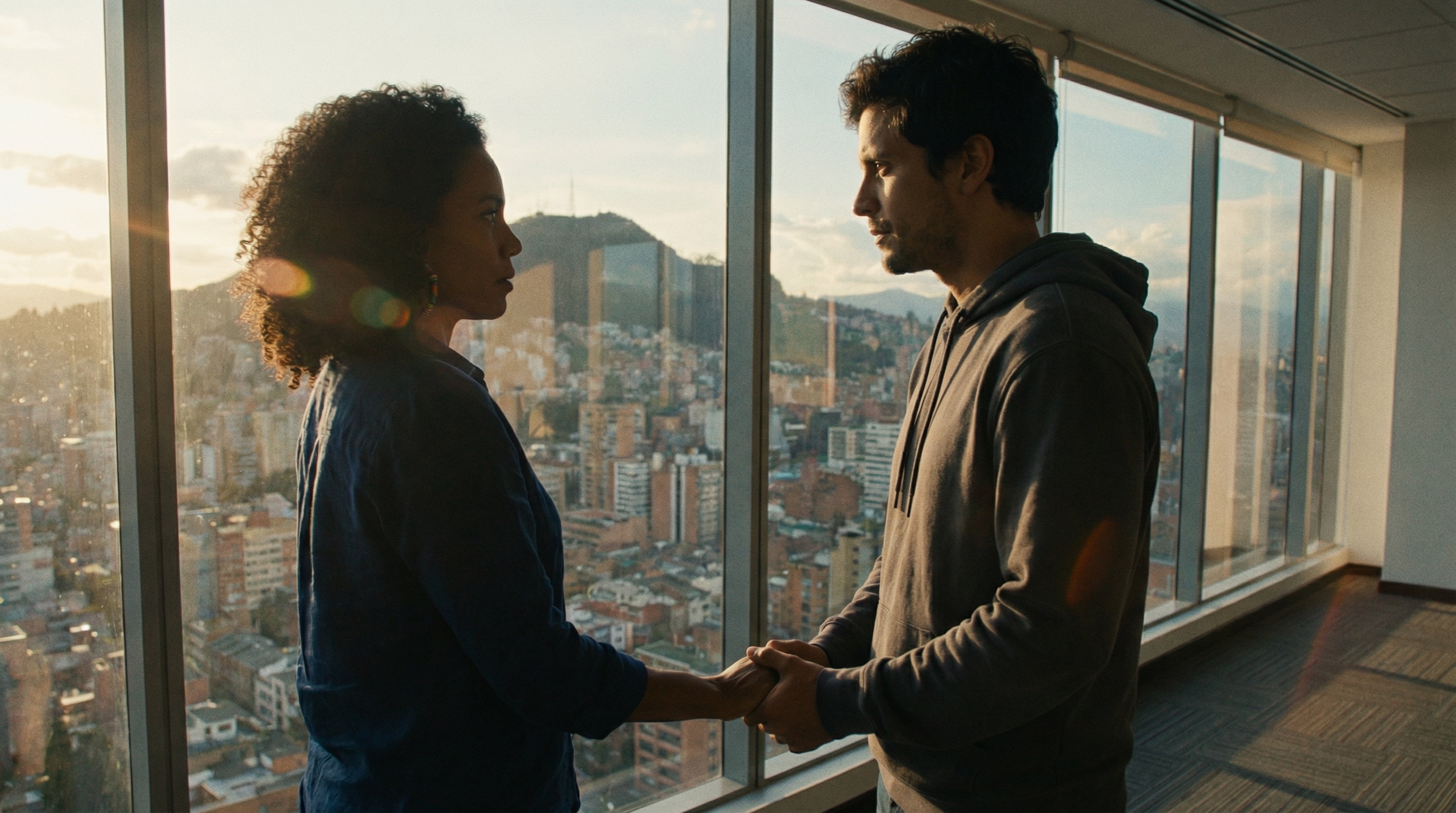
Sebastián turns to face her. “Isabella, I have to tell you something. I’ve been trying to find the courage for two years, and after today, I can’t keep pretending—”
“I know,” she says.
“You know?”
“Sebastián, everyone knows. Camila knows. Diego knows. Even Don Hernando knows. You’re not subtle.”
His face flushes. “Oh.”
“The question is, are you going to actually say it? Or are we going to keep dancing around this for another two years?”
He takes her hand. Her fingers interlock with his. His heart is pounding so hard he’s sure she can hear it.
“I love you.” The words tumble out, raw and unpolished. His eyes are wet. His hands are trembling. “I love you, Isabella. I have since the day you yelled at me for approving a feature without user research. You were so fierce, and so right, and I stood there thinking — Dios mío, I’ve been waiting my whole life to meet someone who cares this much. Who fights this hard. Who tells me I’m wrong and makes me want to be better.”
He wipes his eyes with the back of his hand, laughing shakily.
Isabella laughs too — a wet, wonderful sound. “That’s the most engineer love confession I’ve ever heard, pendejo.”
“Is that a no?”
“It’s a yes, you idiot.” She pulls him close, her hands finding his face. “It’s been yes for months.”
She kisses him.

Not the tentative brush of first kisses. Not the polite press of colleagues crossing a line. This is months of tension shattering — desperate, hungry, real. Her fingers tangle in his hair. His hands find her waist, pulling her against him until there’s no space between them.
They stumble backward, his shoulders hitting the brick wall of the rooftop structure. She presses into him, her body warm and solid and here, finally here. He kisses her like he’s been drowning and she’s air — deep, gasping, unable to stop.
Her hands slide under his jacket, mapping the shape of him through his shirt. His fingers trace her spine, feeling her arch into his touch. When they finally break apart, both breathing hard, her lipstick is smeared and his shirt is rumpled and neither of them cares.
“Mierda,” he breathes against her mouth. “Why did we wait so long?”
“Because you’re conflict-avoidant and I was being professional.” She kisses him again, softer this time. “But fuck professional. I’m tired of pretending I don’t want this.”
“What do we do now?”
“Right now?” She straightens his collar, her fingers lingering on his neck. “We go back downstairs and finish saving the company. Tomorrow…” She smiles, and it’s full of promise. “Tomorrow, we figure out what this looks like. But Sebastián? I love you too. Even though you approve features without user research.”
They stand there, foreheads pressed together, hands clasped, looking out over the city. The crisis isn’t over. The company isn’t saved. But for this moment, the truth has made something good possible.
The Shadow
Midnight. A private club in Parque de la 93.
Alejo sits across from a man in an expensive suit. The stranger’s face is in shadow, but his voice is educated, confident.
“They humiliated you.”
“Yes.”
“You want revenge.”
“I want what I’m owed.”
The stranger slides a document across the table. “My clients are prepared to offer you a position. Director of Strategic Acquisitions for our Latin American technology portfolio. Starting salary: $400,000. Plus performance bonuses.”
Alejo’s eyes scan the contract. It’s real. It’s generous.
“What do you want in return?”
“Information. You know FinPulso’s weaknesses. You know Mariana’s strategy. You know exactly how to make their pilot program fail.” The stranger leans forward. “We don’t want revenge. We want acquisition. When FinPulso is desperate — really desperate — we’ll make an offer. A lowball offer. And you’ll help us ensure they have no choice but to accept.”
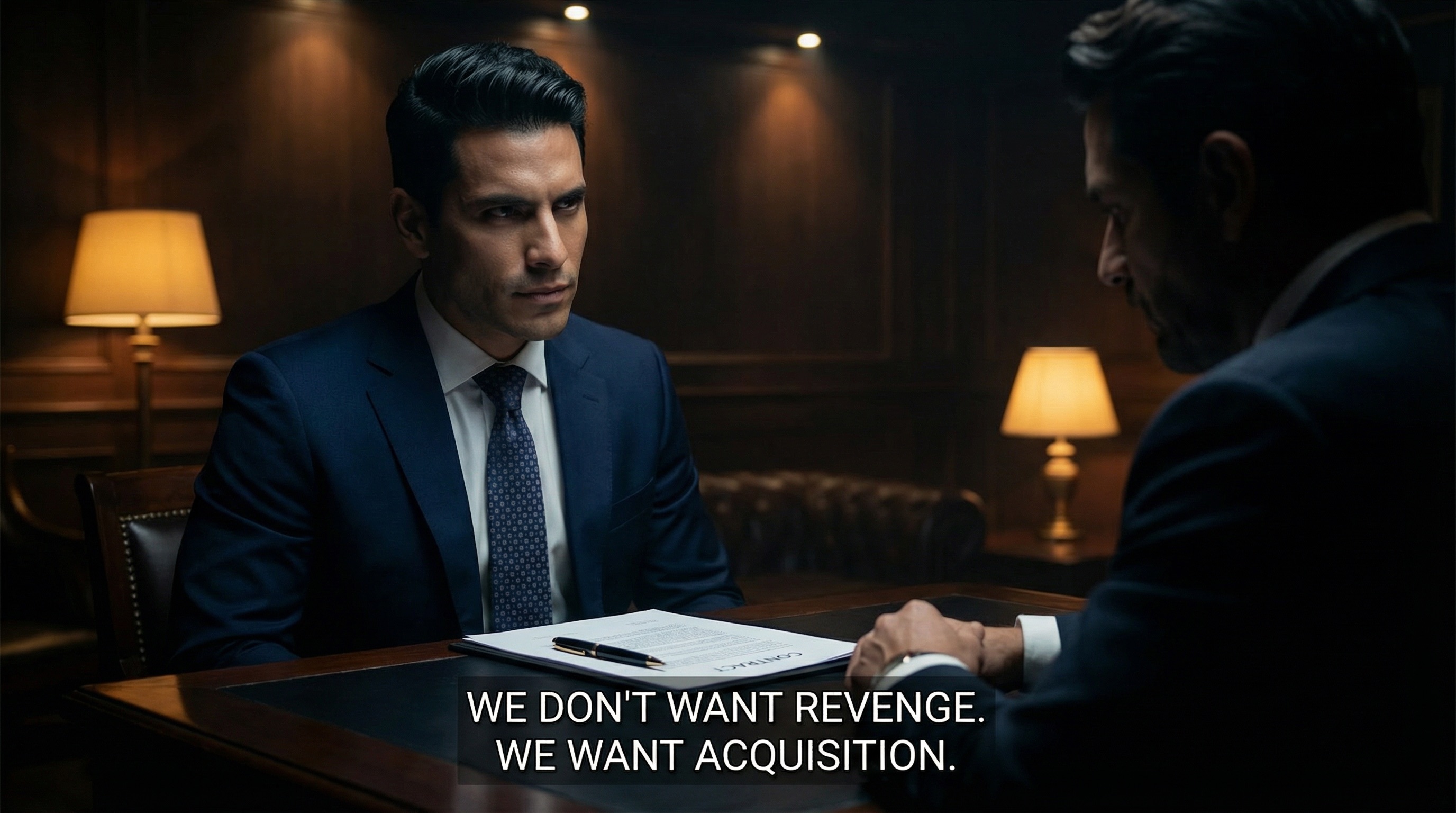
Alejo looks at the shadowed face. “Who do you work for?”
“Does it matter? You want back in the game. We’re offering you the pieces. Play or don’t play.”
The former CFO picks up the pen. Pauses.
For just a moment, something in him hesitates. He thinks of Don Hernando’s face when the truth about Miguel came out. He thinks of Sebastián and Isabella, holding hands by the window. He thinks of Camila’s quiet competence, proving that doing things right matters.
He thinks of the man he might have been.
Then he signs.
“When do I start?”
The stranger smiles. “You already have.”
🎭 This Week's Episodes
Telenovelas show what we can't say in client meetings. The drama is heightened, but the patterns are real.
 Three Ways to Understand a Country
Stefan drives Sophie to the Pacific for two days. The beach is big enough to make her feel appropriately small. Back at the finca the rain keeps th...
 The Resignations
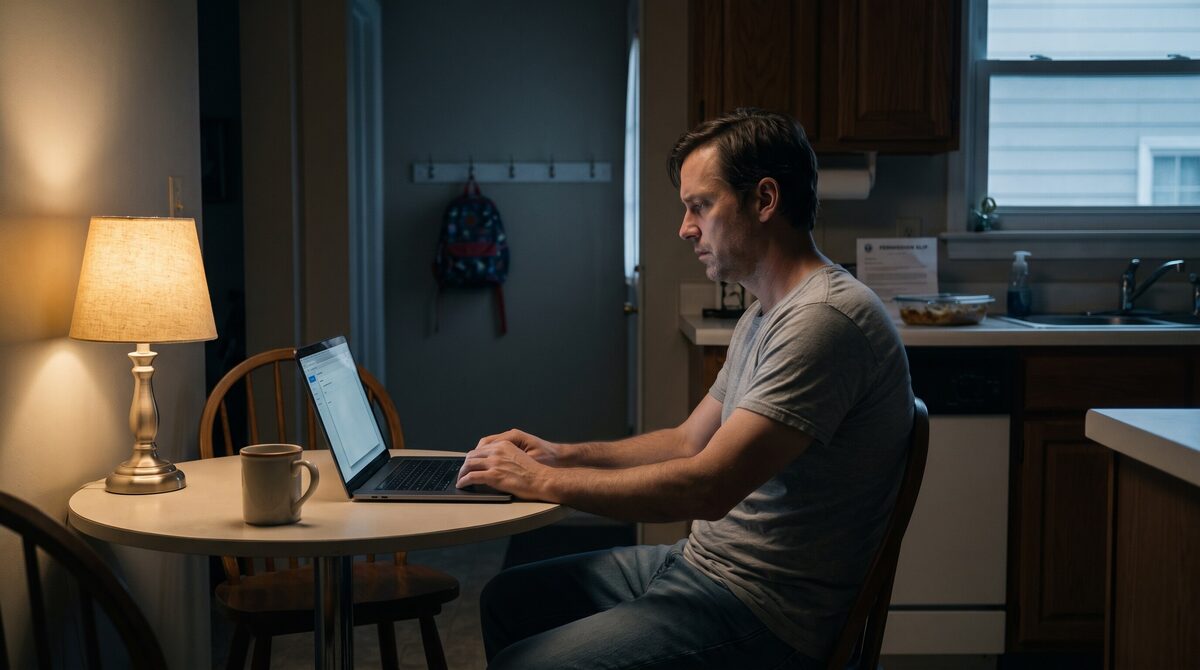
Nathan Cole resigns on a Monday morning with two sentences and no argument left in his body. By Tuesday his desk is empty and the company's institu...
Technical Consultancy
Embedded Delivery Partner
Embedded into your team as an active contributor, reducing delivery friction and helping important work move cleanly.
Technical Advisor
Peer-style technical assessments before far-reaching decisions; reduce architectural and product risk early.
Product & Delivery
Ship working software to real users earlier. Measure impact and adapt based on evidence rather than assumption.
Custom Software Development
High quality, maintainable software. Short-term augmentation that leaves lasting capability in your own team.
Recent Articles
- When Everything Is Finally Under Control (28.09.2026)
- AI Makes Technical Execution Cheap. Judgment Stays Scarce. (24.09.2026)
- The LLM Will Not Come Back Tomorrow (19.09.2026)
- The One-Person AI Company Is a Greed Fantasy (15.09.2026)
- Test Production Without Leaving a Mess (10.09.2026)
Explore More