See the System
Fiction shows what org charts hide. Characters make decisions under real constraints: budget pressure, ego, fear, misaligned incentives. No one is the villain. The system is.*
* Okay, fine. Sometimes we throw in a properly despicable villain. It's a telenovela, not a peer-reviewed paper.
Recognize Your Organization
These are the meetings you've sat through. The compromises you've watched happen. The signals leadership missed. Readers regularly ask which of their colleagues we've been observing.
Learn What Works
Each story weaves in practices that break destructive cycles: continuous delivery, test-driven development, evidence-based governance. Not as theory. As lived consequences when teams adopt them or don't.
The Stories
Each series explores a different facet of software delivery dysfunction.
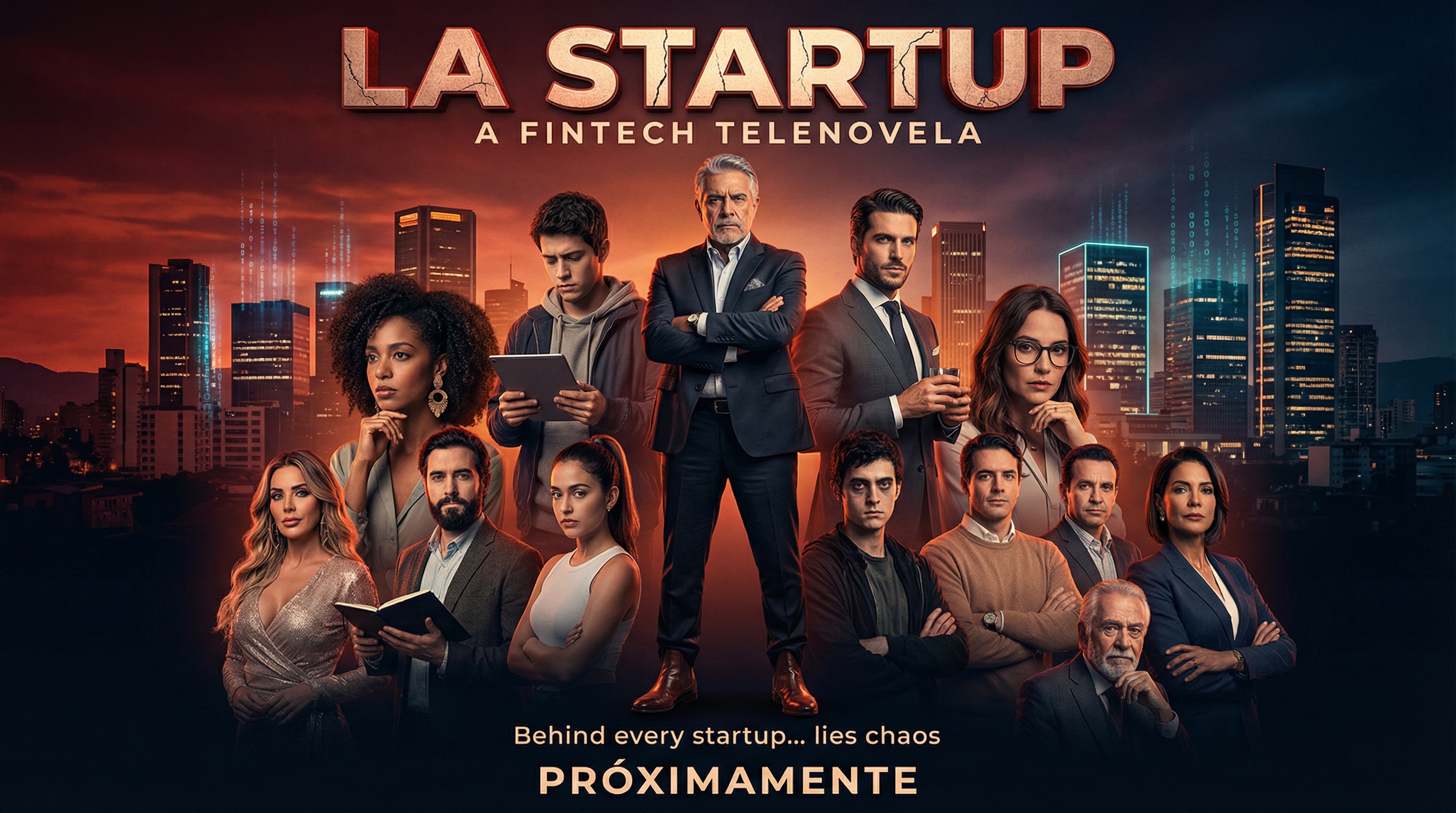
La Startup
A Fintech Telenovela from Bogotá
FinPulso raised $15 million. Six months later, the codebase is chaos, the lead developer has vanished, and the CEO is hiding the truth from investors.
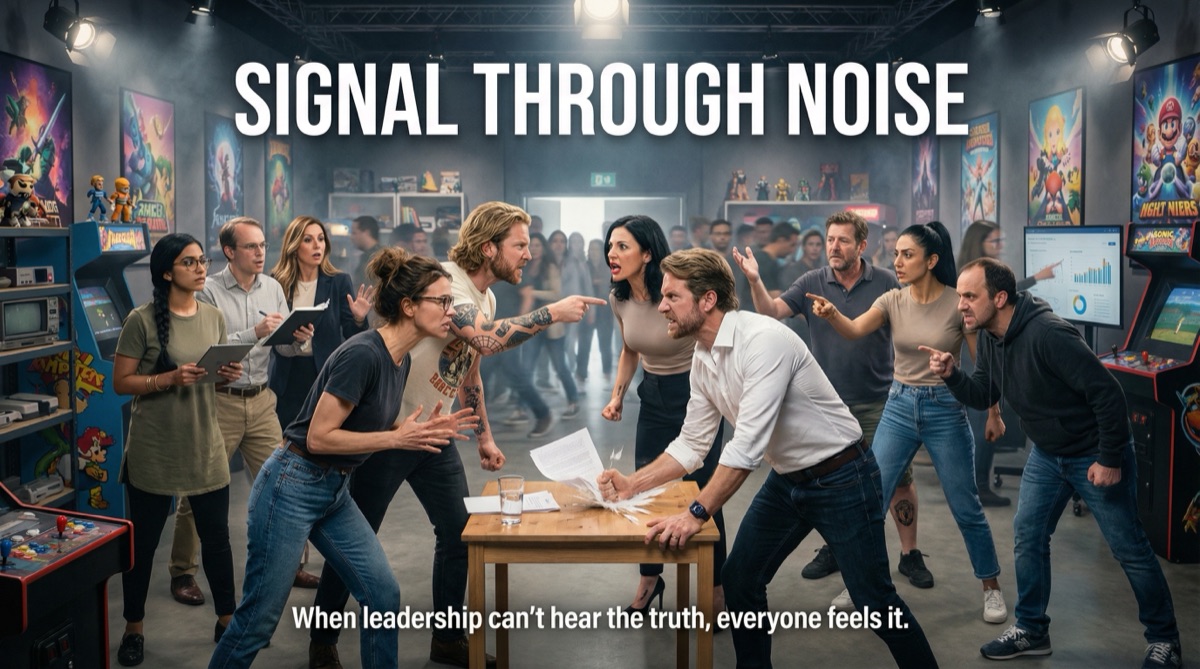
Signal Through Noise
Cutting Through Organizational Chaos — A Berlin Tech Drama
85 people. 147 priorities. Zero clarity. A Berlin gaming studio drowns in growth chaos until Navigator reveals what leadership refuses to see.

Código del Destino
Legacy Systems, Legacy Families
LogiMex built an empire on AS/400. Now they must modernize into SaaS or die — while a Brazilian consultant with a seductive framework circles like a vulture.

Three Weeks in Panama
Sophie Richter Visits Her Father's Finca
No consultants. No frameworks. Just a sixteen-year-old Berlin girl discovering her father's real life among horses, heat, and the people of Chepo.
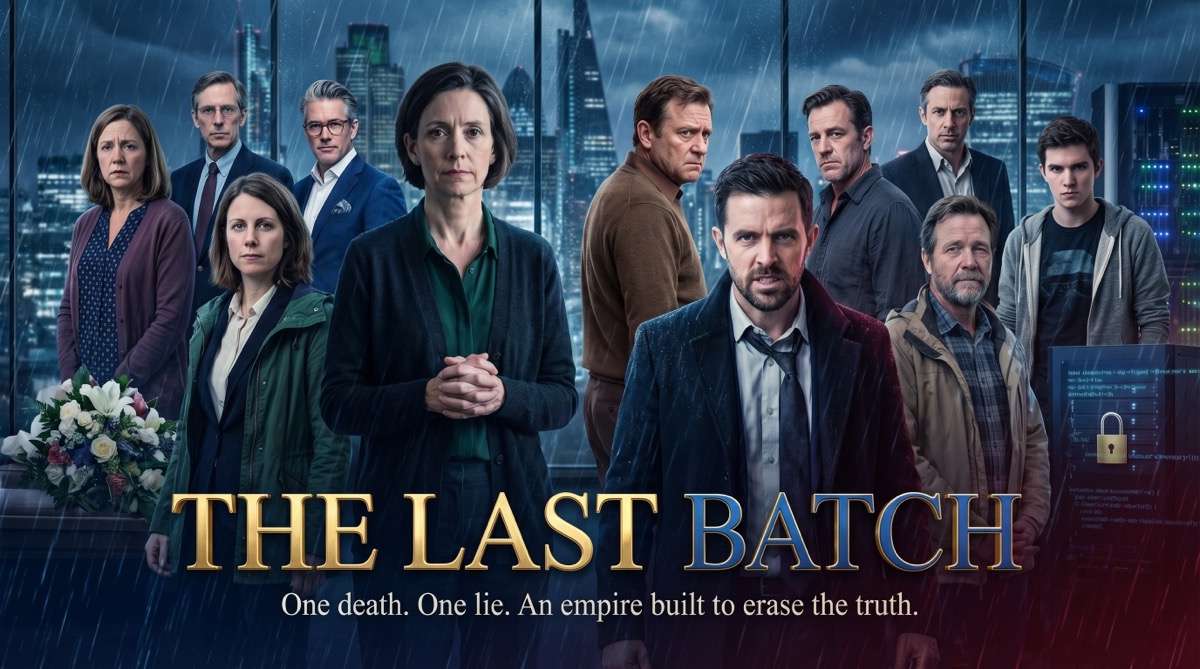
The Last Batch
When Competence Becomes an Existential Threat
An Ohio payroll company runs on COBOL batches, VB6 clients, and fear. Modernization finally works, then authority kills it.
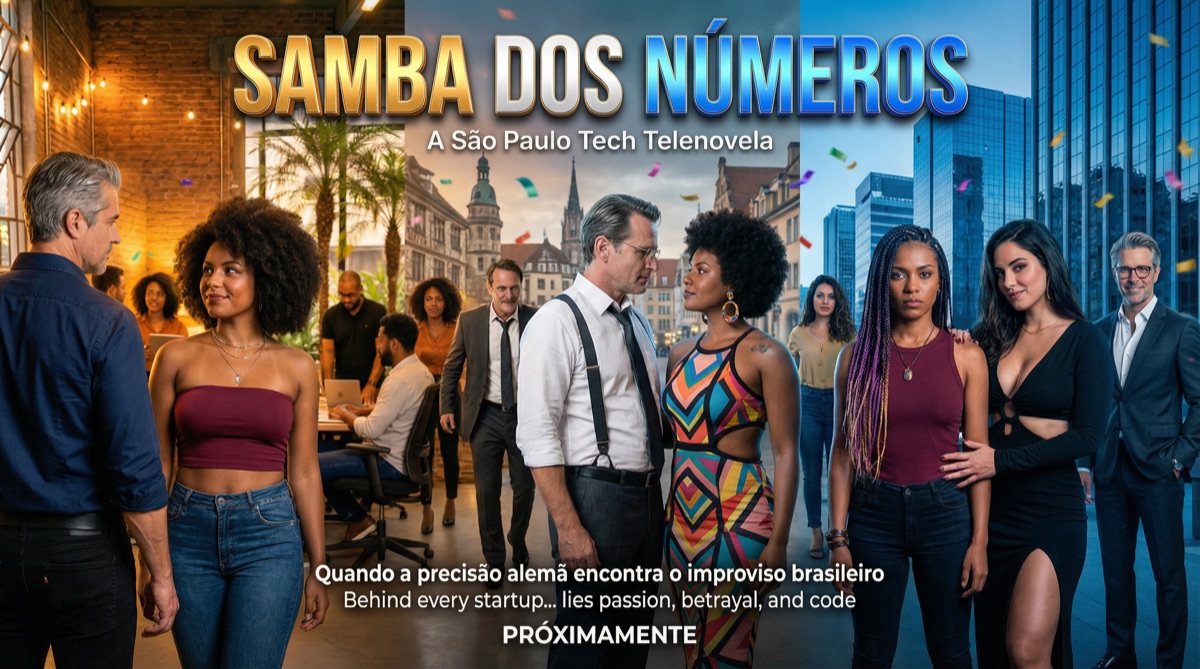
Samba Dos Números
The Numbers Tell Everything, If You Know Where to Look
São Paulo 2020. Stefan Richter's first embedded engagement — a failing automotive software company, a corrupt CFO, and a Carnival party that changes everything.

Código y Corazón
The AI Reckoning — A Telenovela from Medellín
When an AI consulting firm threatens to "automate" 47 developers, a German Developer Advocate must help them prove that software craft cannot be replaced.

Código de Fuego y Estrellas
When AI Writes the Code, Who Tests the Truth?
Year 2130. On an alien world where AI generates all code, a catastrophic failure brings a framework consultant — and the real crisis begins.
Why Fiction Works Where Advice Doesn't
You can dismiss a consultant's recommendation in the elevator on the way back to your desk. You can't unsee a character making your exact mistake and watch the consequences stack up over ten episodes.
Whitepapers tell you what to change. Conference talks get standing ovations and change nothing. Management frameworks generate certifications, not capability.
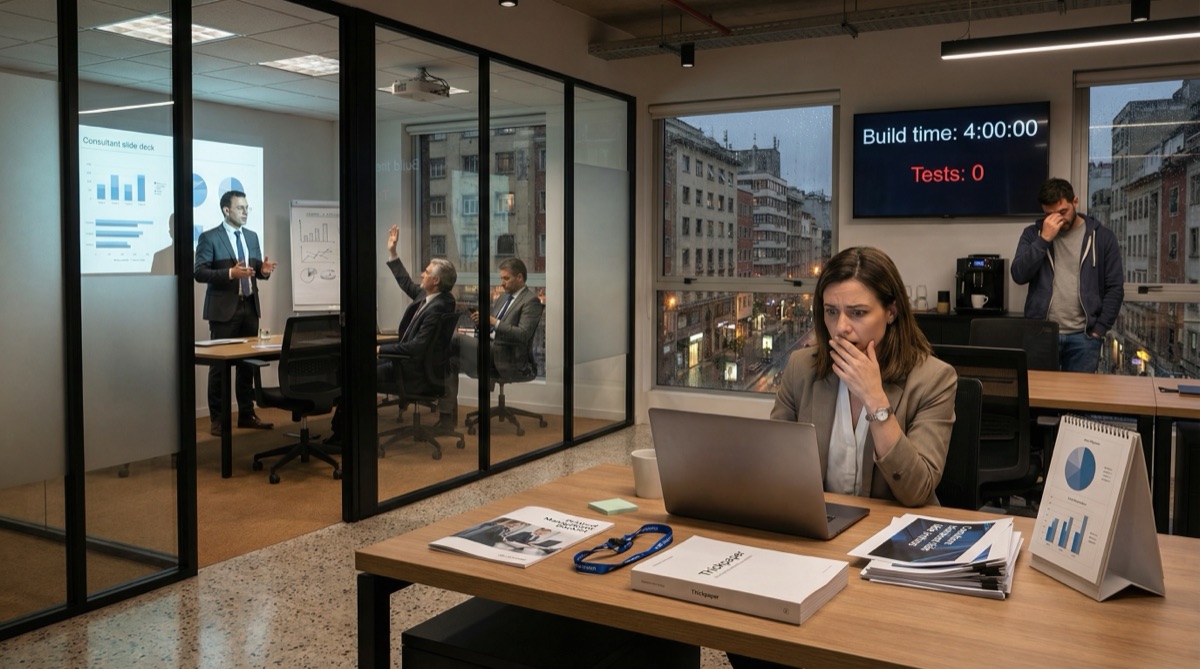
Fiction operates differently. When you read about Isabella discovering her CEO has been lying to investors, you don't learn about stakeholder misalignment as an abstract concept. You experience it. When Stefan arrives at a company where the build takes four hours and nobody runs tests, you watch technical debt compound across human relationships until something snaps.
Every story carries the quiet subtitle "based on real events." Over 20+ years working with teams across Europe, Asia, and the Americas, we've lived these situations. Names change. Locations shift. The drama gets turned up for entertainment. But the organizational patterns, the technical failures, and the human cost are documented, not invented. Readers routinely ask which of their colleagues we've been watching.
One lesson runs through every story: Good people trapped in bad systems produce bad outcomes. Fix the system, not the people.
About the Format
We write in the tradition of the Latin American telenovela: serialized drama built around systemic social critique. Unlike the endless soap operas familiar in the US and Europe, every series has a fixed number of weekly episodes and a definitive ending. No filler arcs. No dragging things out for ratings. Each story builds toward a resolution where the organizational and technical lessons become unmistakable.
Think of them as fictional case studies told from every perspective at once: the CEO who's hiding the truth, the developer who sees the real problem, the consultant who sold the wrong solution, and the junior who just wants to ship working code.

If "telenovela" sounds unfamiliar, don't worry. You don't need to know the genre to recognize the patterns. Across Latin America, telenovelas have long served as a mirror for society: they name injustice, validate struggle, and show ordinary people that their problems are systemic, not personal. That cultural function is exactly what makes the format so effective for organizational storytelling. Learn why this format works →
These Problems Are Fixable
The dysfunction in these stories is real. So are the solutions. As a Developer Advocate consultancy, we embed with development teams to build the technical practices and organizational clarity that these stories demonstrate. Continuous delivery, test-driven development, trunk-based development, evidence-based governance. Not frameworks. Capability.