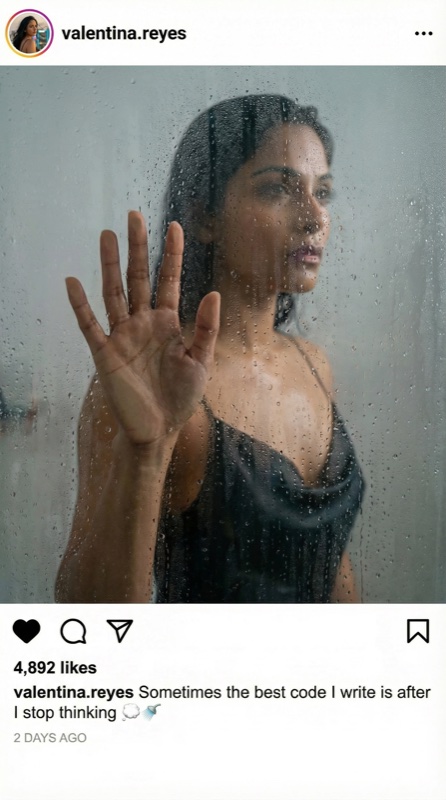
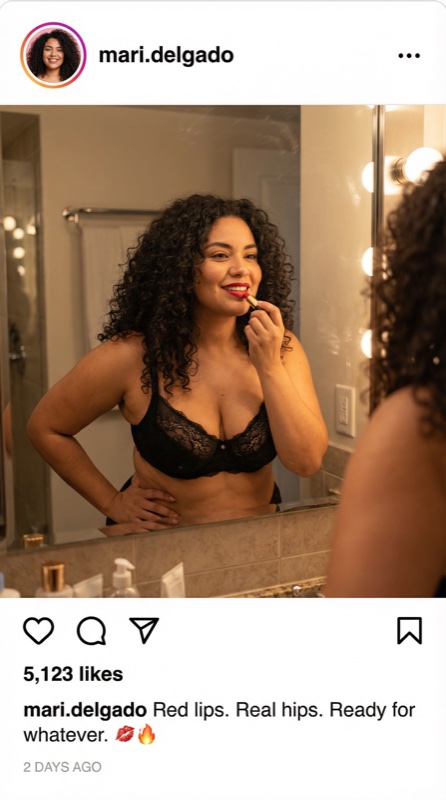
El Consultor
Bruno Cavalcanti arrives at LogiMex Systems with the polished presence of a man who has conquered boardrooms across Latin America. His 'Cavalcanti Framework for Operational Excellence' promises predictability through rigid timelines, strict processes, and mandatory status reports. Patricio is entranced — finally, discipline and accountability. Stefan raises concerns privately to Don Rodrigo: frameworks like this measure activity, not outcomes. Bruno fixates on Valentina immediately, sensing her potential — and her vulnerability. At the stables, Camila flees after confronting Luciana about Patricio and meets Dr. Emiliano Contreras, a gentle veterinarian in a loveless marriage. Their eyes meet. Something shifts. And when Bruno humiliates Héctor for arriving late to his first 7 AM 'Daily Accountability Session,' Valentina stands up: 'You can't speak to him like that.' Bruno smiles coldly: 'I just did.'
The Arrival
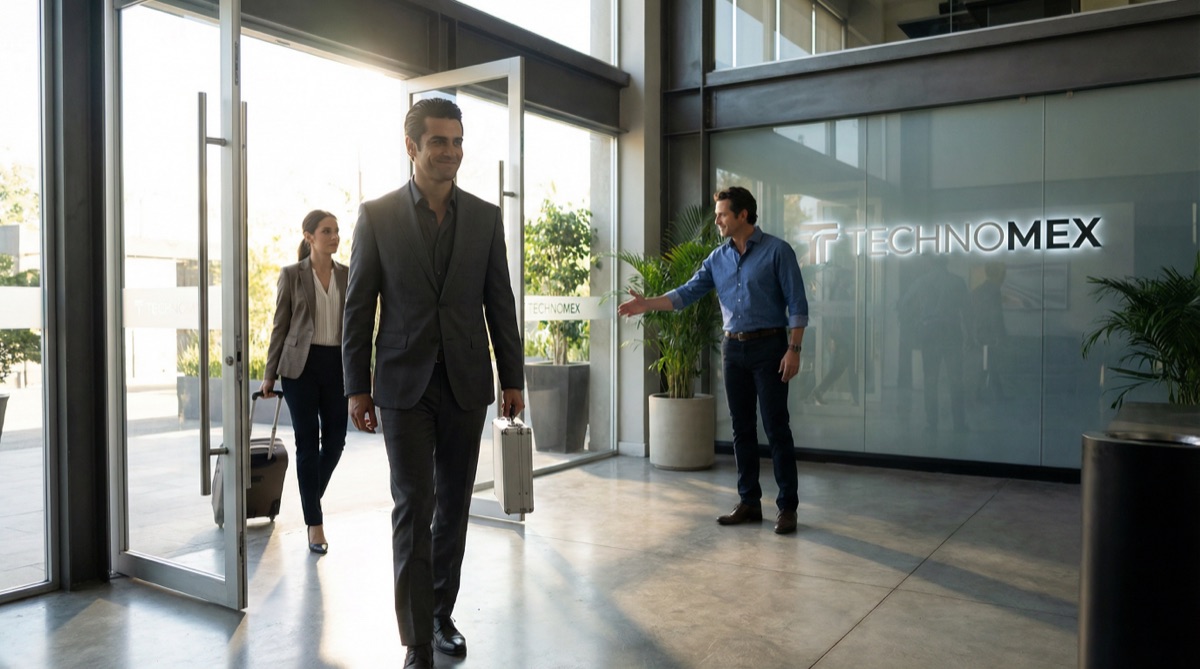
The lobby of LogiMex Systems had never seen anyone like Bruno Cavalcanti.
He walked through the glass doors at precisely 9 AM, two days after Patricio’s call. Charcoal suit, Italian leather shoes, a watch that cost more than most people’s cars. His hair was perfectly styled, his smile perfectly calibrated — warm enough to invite trust, cool enough to command respect.
Behind him, an assistant wheeled a sleek aluminum case. Presentation materials. Props for the show.
Valentina watched from the third-floor window, coffee cup frozen halfway to her lips. Something cold settled in her stomach — the primal instinct of prey recognizing a predator.
“That’s him?” Mari asked, appearing at her shoulder.
“That’s him.”
“Dios mío. He looks like he stepped out of a telenovela.”
“That’s exactly what I’m worried about,” Valentina muttered, her pulse quickening despite herself.
Below, Patricio rushed to greet their visitor. The two men shook hands, smiled, exchanged words Valentina couldn’t hear but could easily imagine. Welcome, welcome. So glad you’re here. Everything is prepared.
Bruno’s gaze swept the building, evaluating, calculating. For a moment, his eyes seemed to find her window.
Valentina stepped back into the shadows.
The Framework

Conference Room A — the big one, reserved for board meetings and important visitors — had been transformed.
Bruno’s assistant had arranged the aluminum case’s contents with surgical precision: branded folders at each seat, a projector displaying the Cavalcanti Consulting logo, wireless presentation clickers laid out like surgical instruments.
The entire development team had been summoned. Veterans and newcomers sat together, united in uncertainty. Stefan stood in the back, arms crossed, face unreadable.
Don Rodrigo entered last, taking his seat at the head of the table. His expression was carefully neutral, but Valentina caught the flicker of doubt in his eyes when he looked at Patricio.
“Good morning, everyone.” Bruno’s Spanish was flawless — polished Castilian with just enough Brazilian lilt to make it exotic. “Thank you for welcoming me into your family. And that’s what LogiMex is, isn’t it? A family.”
He smiled at Don Rodrigo. The patriarch nodded slowly.
“I’ve spent twenty years helping companies like yours navigate transformation. From São Paulo to Bogotá, from Lima to Mexico City. The challenges are always the same. The solutions?” He clicked to the first slide. “They don’t have to be.”
THE CAVALCANTI FRAMEWORK FOR OPERATIONAL EXCELLENCE
The slide gleamed with professional graphics — interconnected circles, ascending arrows, words like “Predictability,” “Accountability,” “Measurable Outcomes.”
“Your German friend here,” Bruno nodded toward Stefan, “has started you on a good path. Continuous integration. Test-driven development. Excellent technical foundations.”
Stefan’s expression didn’t change.
“But technical foundations aren’t enough. What you need is structure. A framework that ensures every hour worked is tracked, every task is documented, every outcome is measured.”
He clicked again. A new slide: Daily Accountability Sessions.
“We begin each day at 7 AM. Sharp. Every team member reports: what they did yesterday, what they’ll do today, what’s blocking them. Fifteen minutes maximum. Anyone who arrives late receives a formal warning.”
Héctor shifted in his seat. Mando’s coffee cup paused halfway to his lips.
“Weekly velocity reports,” Bruno continued. “Every Friday, we measure story points completed against story points estimated. Variance greater than 15% triggers a corrective action plan.”
“Story points?” Rafa asked, his voice dripping with skepticism.
“A unit of effort estimation. Don’t worry — I’ll train you.” Bruno’s smile never wavered. “The goal is simple: eliminate uncertainty. When your clients ask when a feature will be ready, you’ll have an answer. When your board asks about ROI, you’ll have numbers. When your competitors try to undercut you, you’ll have proof that your systems work.”
Don Rodrigo leaned forward. “And the timeline? Patricio mentioned you could accelerate our modernization.”
“Six months,” Bruno said confidently. “Complete SaaS migration. Full cloud deployment. Customer-facing APIs.” He clicked to a Gantt chart so dense it looked like modern art. “The Cavalcanti Framework has delivered on time, on budget, in fourteen enterprise transformations across Latin America. I’m proud to say I’ve never missed a deadline.”
Valentina couldn’t stay silent. “What happens to teams that don’t hit the velocity targets?”
Bruno turned to her, and something in his gaze sharpened. Interest. Assessment. Something else she didn’t want to name.
“That’s an excellent question — Valentina, isn’t it?” He said her name like he was tasting it. “The answer is simple: we identify the blockers and remove them.”
“And if the blocker is unrealistic expectations?”
The room went quiet. Patricio’s face darkened.
Bruno laughed — warm, charming, completely false. “I’ve found that expectations are rarely unrealistic. What’s unrealistic is assuming we can achieve great things without discipline.” He addressed the room again. “Any other questions?”
Stefan spoke from the back. “What role do you see for the technical foundations we’ve been building?”
“Critical,” Bruno said smoothly. “You’ll continue your excellent work. I simply provide the management layer that ensures it translates into business value.”
Management layer. Stefan’s jaw tightened almost imperceptibly.
Don Rodrigo stood. “Thank you, Bruno. This is… a lot to consider. Let’s reconvene this afternoon to discuss implementation.”
“Of course.” Bruno gathered his materials with practiced ease. “Oh, and one more thing.” He looked directly at Valentina. “I’d love to discuss your technical approach in more detail. Perhaps over dinner tonight? I’m told Mexico City has excellent restaurants.”
Every eye in the room turned to her.
“I’ll check my schedule,” Valentina said flatly.
Bruno’s smile didn’t waver. “I look forward to it.”
The Warning
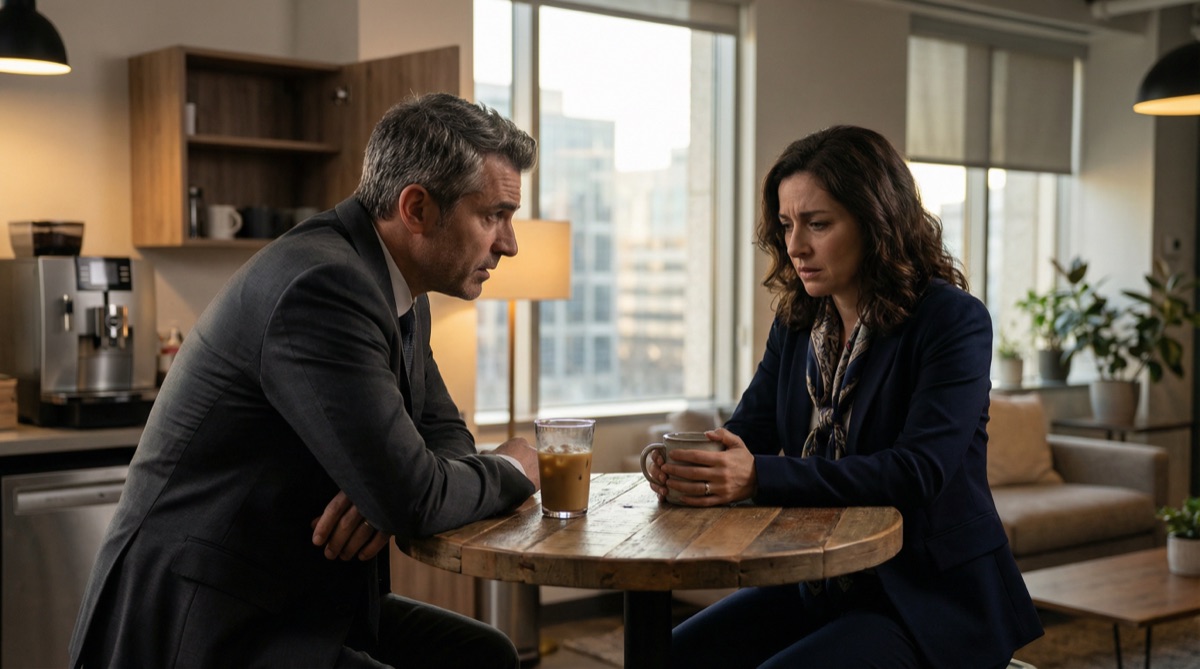
Stefan found Valentina in the break room, staring into a cup of coffee that had gone cold.
“You handled that well,” he said, pouring himself a cup.
“Did I? Because I feel like I just painted a target on my back.”
“Perhaps. But you asked the question everyone was thinking.” Stefan sat across from her. “I’ve seen consultants like him before. They’re very good at what they do.”
“And what exactly do they do?”
“They sell certainty to people who are afraid of uncertainty. They create elaborate systems of measurement that make executives feel in control.” He sipped his coffee. “The problem is, software development isn’t controllable. Not the way they promise.”
“Then why does Don Rodrigo seem interested?”
“Because he’s scared. The company is bleeding clients. His nephew is pushing for results. And Bruno speaks the language of business in a way that I—” Stefan smiled ruefully. “In a way that I struggle to.”
Valentina turned her cup in her hands. “What happens if the framework gets implemented?”
“Best case? It adds overhead but the team works around it, like they always do. We lose velocity to process, but we survive.” Stefan’s expression darkened. “Worst case? He fires the people who can’t adapt to his metrics. The veterans. The ones who carry twenty-five years of business logic in their heads.”
“Héctor. Rafa. Mando.”
“Exactly.”
Valentina felt something cold settle in her stomach. “So what do we do?”
“We do what developers have always done.” Stefan stood. “We build good software in spite of management. We document what we can. We protect each other.” He paused at the door. “And we watch. Men like Bruno always overreach eventually. We need to be ready when he does.”
The Confrontation
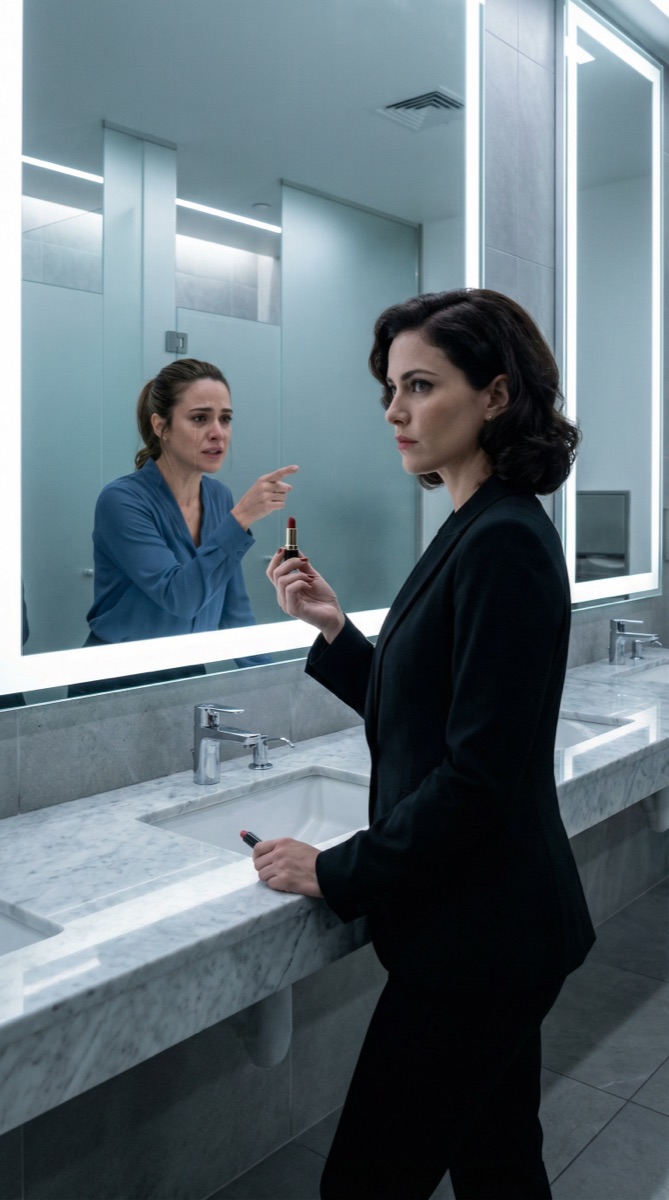
Camila found Luciana in the women’s restroom.
It wasn’t an accident. Camila had been watching, waiting, timing her move like a chess player sacrificing a pawn to expose a queen.
Luciana stood at the mirror, reapplying lipstick with the precision of someone who weaponized beauty. She saw Camila’s reflection and her hand paused.
“Something you need, niña?”
“I know about you and Patricio.”
The lipstick froze mid-stroke. Luciana’s reflection in the mirror went very still — the stillness of a snake deciding whether to strike or retreat. A muscle twitched in her jaw.
“I don’t know what you’re talking about.”
“Bullshit.” Camila stepped closer, her Guadalajara accent sharpening to a blade, her hands trembling with barely contained fury. “The late nights. The locked office door. The way he looks at you when he thinks no one’s watching — like he’s already fucking you in his head.” She laughed, and there was nothing but acid in it, nothing but poison. “I was supposed to marry him, you know. Before Harvard. Before he decided I wasn’t ‘world-class’ enough for his goddamn ambitions. The lying hijo de puta.”
Luciana turned slowly. Her eyes had gone cold. Dangerous. “Is this jealousy? Because if it is, you’re even more pathetic than I thought.”
“I’m not jealous. I’m disgusted.” Camila’s whole body was trembling with barely contained fury. “He used me. Fucked me for two years while whispering about our future together. Made promises he never intended to keep. And now he’s doing the exact same thing to you, and you’re too blinded by his pretty face and his Harvard degree to see it.”
“You don’t know a goddamn thing about our relationship.”
“I know he’s still texting me.” Camila pulled out her phone, her hands shaking. “‘Just to talk.’ ‘For old times’ sake.’ ‘I miss the way you laugh.’” She scrolled to the messages, held them up. “Want to see? There’s one from last night. After midnight. Asking what I’m wearing.”
Luciana’s mask cracked. Just for a moment. Just enough for Camila to see the fear — no, the rage — boiling underneath.
“Put that away.” Her voice was ice.
“Why? Afraid of the truth? Afraid to find out you’re just another warm body for him to—”
Luciana moved so fast Camila didn’t even see the hand coming.
The slap cracked across her face like a gunshot. Camila’s head snapped to the side, pain exploding across her cheekbone like lightning, stars bursting behind her eyes. She tasted blood where she’d bitten her tongue — hot and copper and humiliating.
“You stupid little puta.” Luciana grabbed her jaw, forcing her head around until their faces were inches apart. Her whisper was venom. “You have no idea what you’re playing with. No idea what I’ve sacrificed to get here. No idea what I’m capable of.”
“Let go of me—”
“I have emails.” Luciana’s grip tightened. “From your father’s company. Evidence of fraud, Camila. Money laundering. Bribes to government officials.” Her smile was a death sentence. “One word to the authorities and your precious family loses everything. The house in Zapopan. The business. Your mother’s reputation.” She leaned closer, until her lips almost brushed Camila’s ear. “And you? You become the daughter of a convicted criminal. No more country club. No more society parties. Just a disgraced little rich girl that nobody wants to know.”
Camila’s face went white. Her knees buckled.
Luciana released her, stepped back, and calmly returned to the mirror. She smoothed her blouse. Adjusted her hair. Reapplied the lipstick as if nothing had happened.
“We understand each other now, don’t we?” She smiled at her reflection. “Good. Stay the fuck away from what’s mine.”
She walked out without looking back.
Camila slid down the wall until she hit the cold tile floor, her legs giving out completely, her whole body collapsing like a marionette with its strings cut. One hand pressed against her burning, throbbing cheek. Blood from her bitten tongue filled her mouth, metallic and humiliating, and she spit it onto the pristine white tile — a splash of crimson that looked obscene in the sterile bathroom light. The tears came — hot, humiliated, furious tears that she couldn’t stop no matter how hard she bit down on her lip, no matter how many times she told herself she was stronger than this.
Her whole body shook with sobs that felt like they were tearing her apart from the inside, ripping through her chest like claws.
I’ll destroy you, she thought, the rage building beneath the tears, white-hot and crystallizing into something cold and patient. I don’t know how yet, but I swear to God and every saint my grandmother prayed to, I’ll destroy you.
The Escape
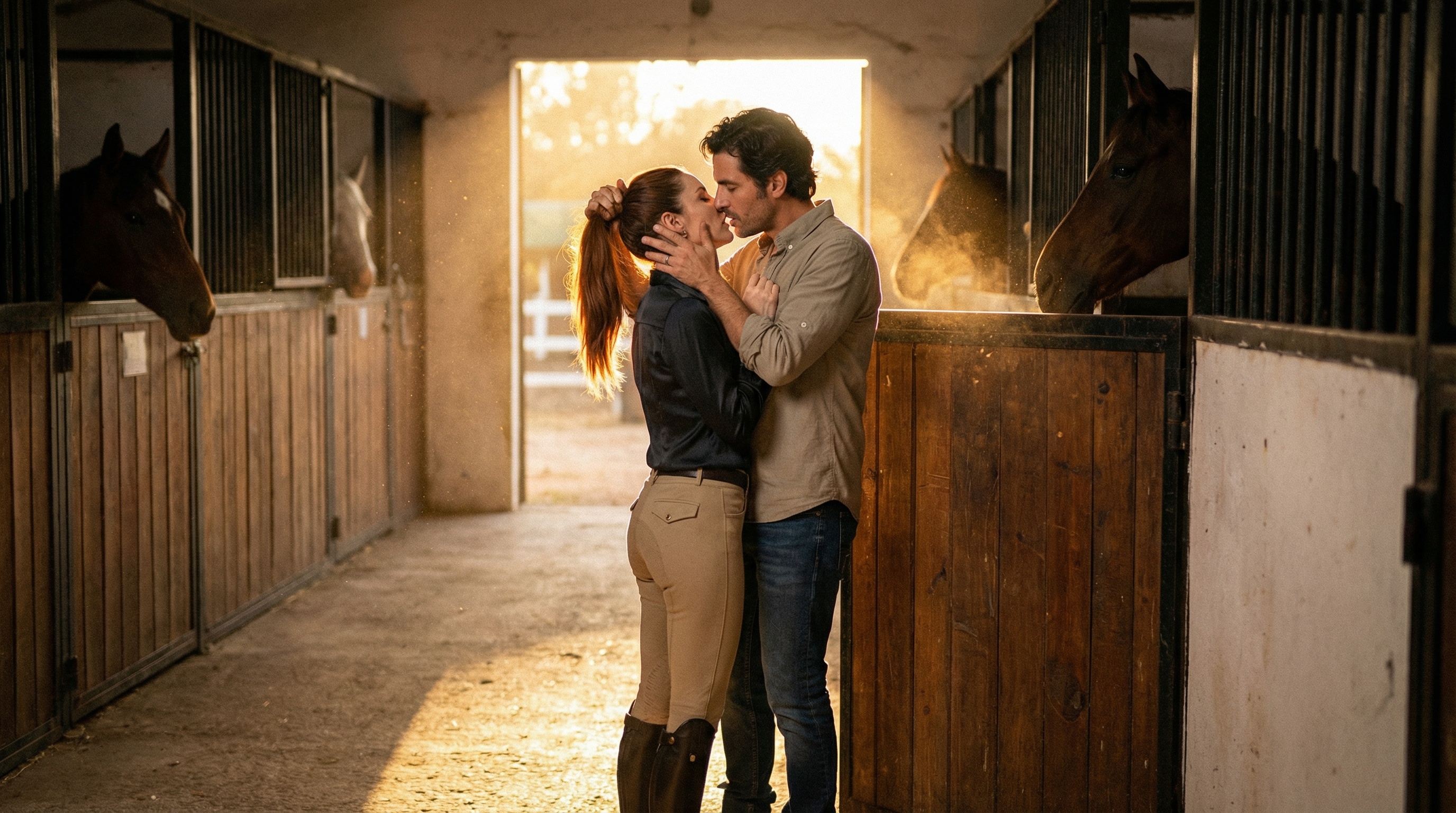
The equestrian club sat on the outskirts of the city, where urban sprawl surrendered to rolling hills and old money.
Camila drove too fast, her convertible eating up the kilometers as mariachi music blasted from the speakers — anything to drown out Luciana’s words echoing in her head.
Fraud. Your father’s company. Destroy you.
She’d always known her family’s wealth had shadows. The hushed conversations that stopped when she entered rooms. The way her father never looked directly at the news when business scandals aired. But hearing it spoken aloud, wielded as a weapon—
She pulled into the club’s parking lot, hands shaking on the steering wheel.
Relámpago. She needed Relámpago. The only creature in her life who asked nothing of her, expected nothing, judged nothing. Just a horse and a rider and the endless freedom of motion.
The stables were quiet in the late afternoon. Most of the wealthy members rode in the mornings, before the heat. Camila preferred the solitude of evening.
She walked to Relámpago’s stall, breathing in the familiar scent of hay and horse and leather. Her hands steadied. Her heartbeat slowed.
“Hey, handsome,” she murmured, pressing her forehead against the stallion’s neck. “It’s been a day.”
Relámpago nickered softly, nuzzling her hair.
“Señorita?”
She spun, startled.
A man stood at the entrance to the stable row — tall, early thirties, wearing the practical clothes of someone who worked with animals. His face was kind, concerned.
“I’m sorry,” he said, stepping forward. “I didn’t mean to frighten you. I’m Dr. Contreras. The veterinarian. I was just checking on Doña Martínez’s mare.”
“I know who you are.” Camila had seen him around the club, always at a distance. Always busy with someone else’s horse. “Emiliano, right?”
“Milo. My friends call me Milo.” He noticed the redness around her eyes, the tear tracks on her cheeks. His expression softened. “Are you alright?”
“Fine,” she said automatically. Then, surprising herself: “No. Not really.”
He didn’t press. Just stood there, giving her space, radiating a quiet stability that felt almost alien after the day she’d had.
“Your horse is beautiful,” he said finally, nodding toward Relámpago. “Andalusian cross?”
“Part Azteca. My grandfather bred him.”
“Good lines. Strong temperament.” Milo stepped closer, running a professional hand along Relámpago’s flank. “He knows you’re upset. Horses always know.”
Camila laughed despite herself. “He’s the only one who understands me.”
“Sometimes animals are better at that than people.”
Their eyes met over Relámpago’s back. Something passed between them — recognition, maybe. Two people carrying burdens they couldn’t name.
“I should…” Milo started.
“Don’t,” Camila heard herself say. “Don’t go. Just… stay for a minute?”
He studied her face. Whatever he saw there, it made him set down his veterinary bag and lean against the stall door.
“I’m married,” he said quietly. “I should tell you that.”
“I know. I’ve seen the ring.”
“Then you know why I should leave.”
“I know.” Camila wiped her eyes. “But you haven’t left yet.”
The silence stretched between them, thick with things neither of them could say.
“You’re crying,” Milo said softly. “What happened?”
“Everything. Nothing.” She laughed bitterly. “Just the usual — promises broken, threats made, realizing the people you thought you knew are strangers.”
“That sounds like more than nothing.”
“It is. But I can’t—” Her voice cracked. “I can’t talk about it. Not yet.”
Milo reached into his pocket, pulled out a clean handkerchief. Old-fashioned. Almost quaint.
“Here.”
She took it, their fingers brushing.
Neither of them pulled away.
The golden light of sunset poured through the stable doors, catching the dust motes floating in the air like tiny stars. Camila looked up at him — really looked — and saw something in his eyes that mirrored what she felt. Loneliness. Hunger. The desperate ache of someone who had forgotten what it felt like to be seen.
“I should go,” she whispered.
“You should,” he agreed.
But instead of stepping back, he stepped closer. His hand rose, trembling slightly, and brushed a tear from her cheek. His touch was gentle. Professional. The touch of a man who healed wounded creatures for a living.
And then it wasn’t.
His fingers traced along her jaw, tilting her face up toward his. Time seemed to stop. The horses went quiet. Even the birds outside fell silent.
“This is a mistake,” Camila breathed.
“I know.”
He kissed her anyway.
It wasn’t gentle. It wasn’t tentative. It was the kiss of two people who had been starving for years and had finally found sustenance. Desperate. Consuming. Dangerous. His hands tangled in her hair, pulling her closer with an urgency that made her gasp. Her fingers gripped the front of his shirt, pulling him closer, closer, as if she could disappear into him and escape everything — Luciana’s threats, Patricio’s betrayal, her family’s secrets, her own goddamn loneliness.
He pressed her back against the wooden stall door, his body hard against hers, and she could feel every inch of him — the solid muscle of his chest, the heat radiating through his clothes, the barely restrained strength in the way his hands moved from her hair to her waist, pulling her hips flush against his. A sound escaped her throat that was half gasp, half moan, and she felt him shudder in response.
Relámpago nickered softly beside them, but neither of them heard. There was only the desperate urgency of lips and breath and heat and the thundering of two hearts that had forgotten how to beat for anyone else.
His mouth left hers, tracing a burning line along her jaw, down her throat. She tilted her head back, giving him access, her fingers threading through his hair as his lips found the pulse point at the base of her neck. When he sucked lightly at her skin, she arched against him with a breathless cry.
“Milo—”
“Tell me to stop.” His voice was ragged against her throat. “God, Camila, tell me to stop.”
“I can’t.” Her hands were already working the buttons of his shirt, desperate to feel skin. “I should, but I can’t.”
They stumbled backward into the empty stall, hay crunching beneath their feet. His shirt hung open now, and Camila’s hands explored the planes of his chest, his abdomen, mapping muscle and warmth and the rapid beat of his heart. He made a sound low in his throat — almost a growl — and pulled her blouse free from her riding pants.
“Someone could see,” she gasped as his hands slid beneath the fabric, palms hot against her bare skin.
“I know.” He kissed her again, deeper this time, his tongue sliding against hers as his hands moved higher, thumbs brushing the underside of her breasts through her bra. “We should stop.”
“We should.”
But instead she pulled him down into the hay, pulling him on top of her, wrapping her legs around his hips in a way that made them both groan. Through the layers of clothing she could feel how much he wanted her, and the knowledge sent liquid heat pooling low in her belly.
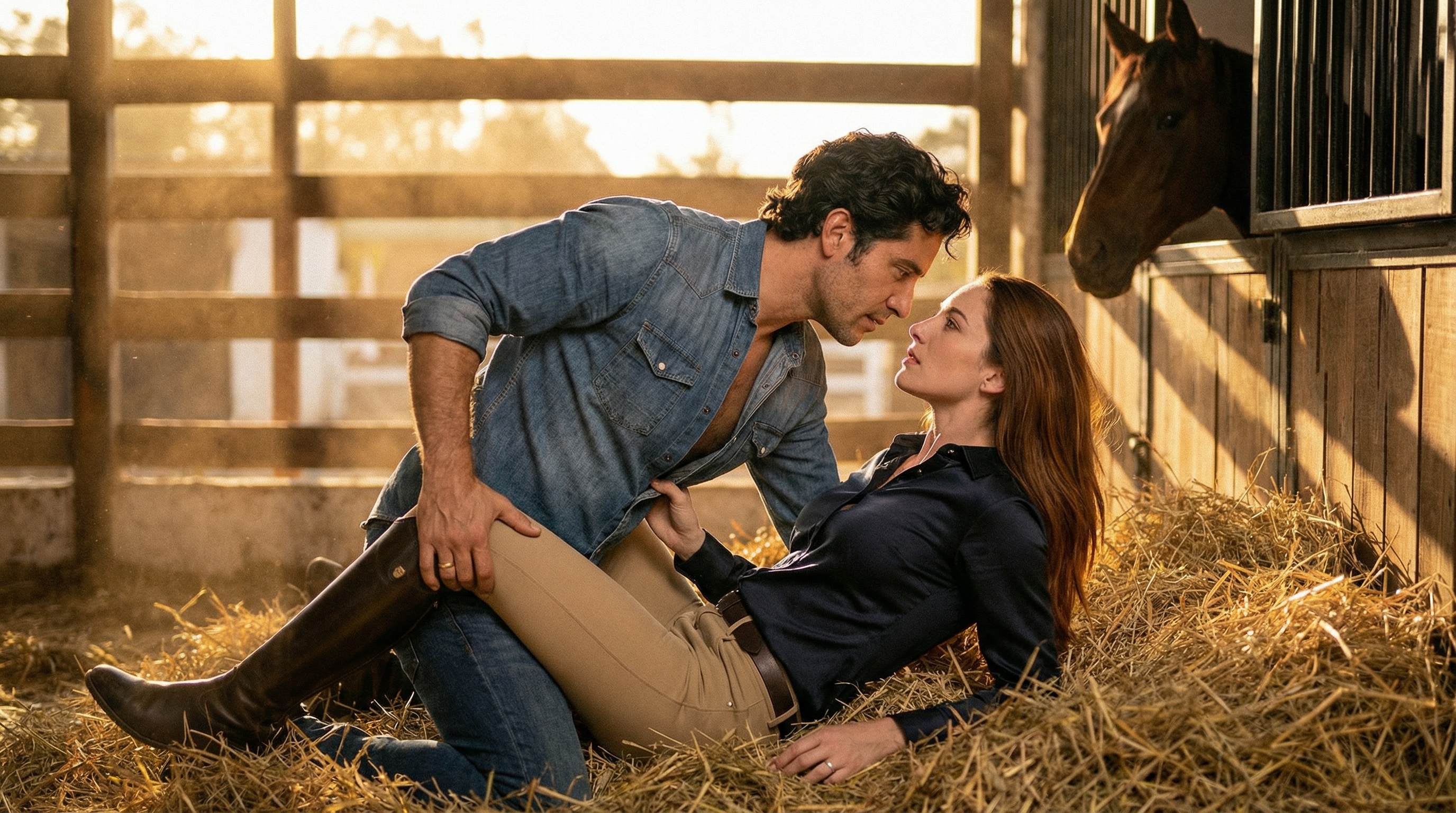
His mouth was everywhere — her lips, her throat, the exposed skin of her collarbone. His hands had found the clasp of her bra beneath her shirt, and when it came free and his palm closed over her bare breast, she nearly cried out. He swallowed the sound with another kiss, his thumb circling her nipple until she was writhing beneath him.
“We can’t,” he panted against her mouth, even as his hips moved against hers in a rhythm that belied his words. “Camila, we can’t—”
“I know.” Her hands were on his belt now, fumbling with the buckle. “But I need— God, I need—”
The sound of a car door slamming cut through the haze of desire like ice water.
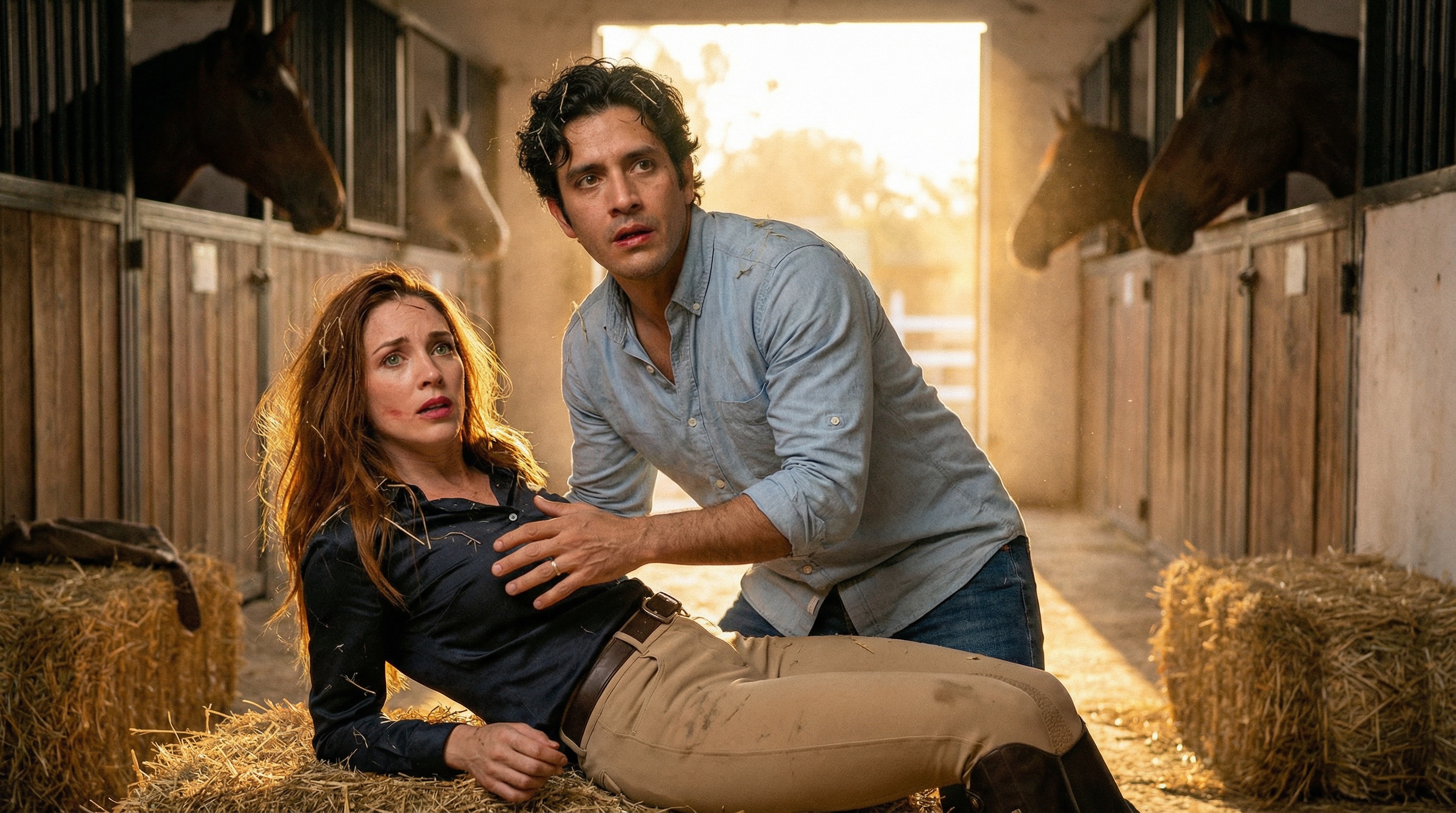
They froze. Voices drifted from the parking lot — distant, but getting closer.
Milo scrambled off her, his face flushed, his breathing labored. Camila sat up, frantically smoothing her hair, refastening her bra, tucking her blouse back in. Her hands were shaking so badly she could barely manage the buttons.
When they finally broke apart, both gasping, his forehead pressed against hers.
“I’m married,” he said, his voice ragged.
“I know.”
“I have children. Two boys. They’re—”
“I know.” Camila’s hands were still fisted in his shirt. She couldn’t let go. Didn’t want to. “This can’t happen again.”
“No.” His thumb traced her swollen lower lip. “It can’t.”
But neither of them moved. The truth hung between them — what almost happened. What they both wanted to happen.
The sun sank lower, painting them in shades of gold and amber. Somewhere in the distance, a church bell tolled the hour.
Finally, Milo stepped back. His hands dropped to his sides. The distance between them felt like miles.
“Thursday,” he said, his voice rough. “The mare. I’ll be here Thursday.”
It wasn’t an invitation. It wasn’t anything. Just information.
But they both knew what it meant.
Camila nodded, unable to speak.
She watched him walk away, disappearing into the golden evening light. Her lips still burned. Her whole body still hummed with unfulfilled desire. She could still feel the phantom weight of his hands on her skin.
What have you done? she asked herself. What the hell have you done?
She pressed the handkerchief — his handkerchief — against her mouth. It smelled like antiseptic and horses and something else, something warm and masculine that made her knees weak.
She didn’t have an answer. Only the terrifying certainty that Thursday would come, and she would be here, and they would finish what they’d started.
And God help them both.
The Widow’s Grave
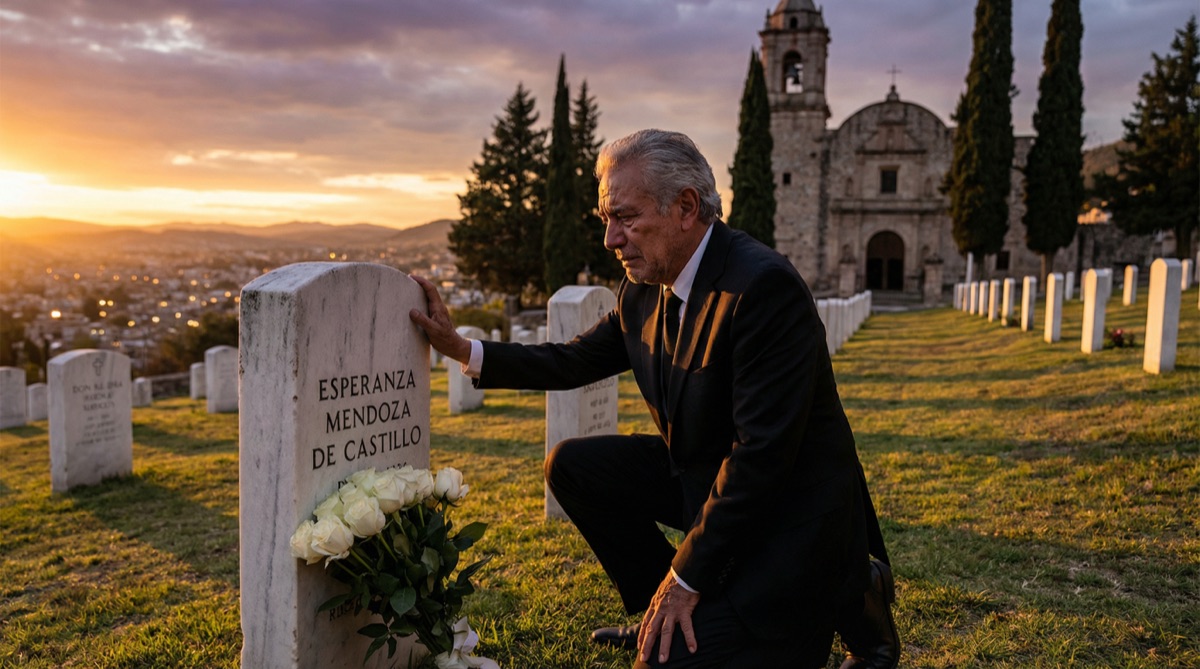
The cemetery sat on a hillside overlooking the city, rows of white markers ascending toward a church that had stood for three hundred years.
Don Rodrigo knelt before a modest headstone, wiping away the leaves that had gathered since his last visit.
ESPERANZA MENDOZA DE CASTILLO
1965-2020
Amada Esposa, Madre, y Luz de Mi Vida
“I don’t know what to do, mi amor,” he said softly. “This Brazilian — he speaks so confidently. Patricio trusts him. But something feels wrong.”
The wind rustled through the cypress trees. No answer came.
“The German is different. Quiet. Thoughtful. He reminds me of the engineers we used to hire, before everything became about speed and disruption.” Don Rodrigo smiled sadly. “You would have liked him. You always had a good eye for character.”
He traced the letters of her name with his finger.
“Patricio is my blood. My brother’s son. But sometimes I look at him and I don’t recognize what I see. He’s hungry in a way that frightens me. Not for success — for something else. Approval, maybe. Or escape.” Don Rodrigo’s voice dropped. “He’s been hiding things from me. I can feel it. The way he won’t meet my eyes when we talk about money.”
A bird called in the distance. The sun was setting, painting the sky in shades of orange and purple.
“Am I making the right choice, Esperanza? Am I protecting the company you helped me build, or am I destroying it?”
Silence.
Don Rodrigo stood slowly, his knees protesting the years. He placed a fresh flower — white roses, her favorite — against the headstone.
“I’ll come back Sunday. As always.”
He walked away down the hill, a solitary figure against the fading light.
The Invitation
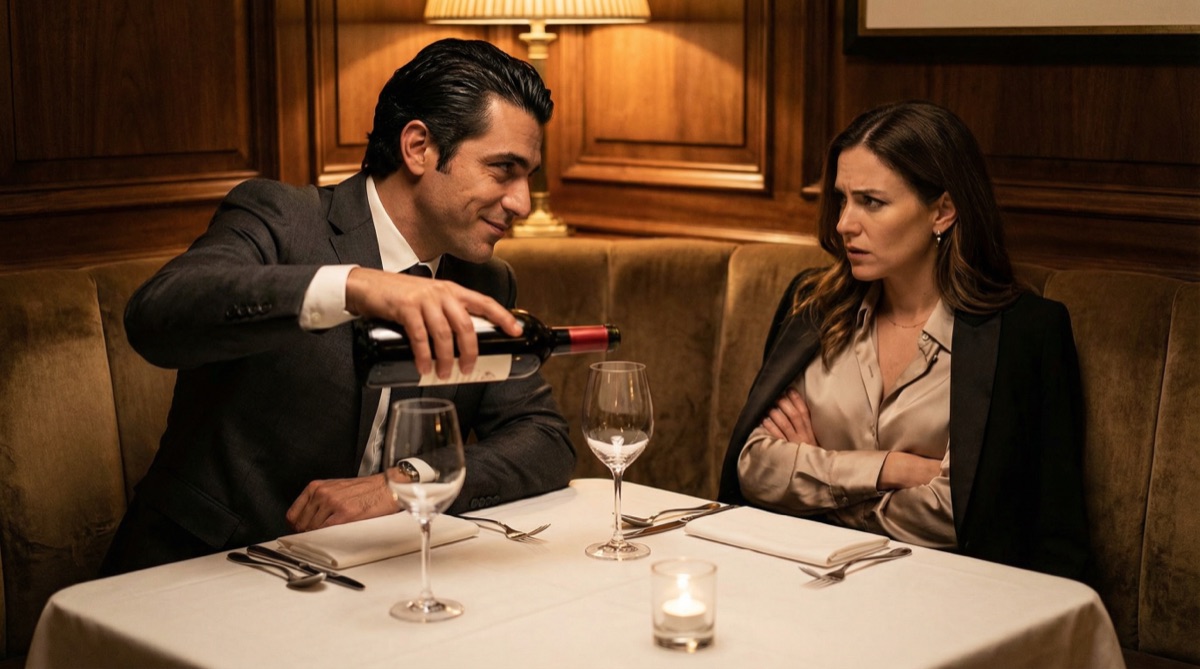
The restaurant was expensive, the kind of place where prices weren’t listed on the menu because if you had to ask, you couldn’t afford it.
Bruno had chosen well. Private booth, discrete lighting, impeccable service. The kind of setting designed to make people feel special, valued, seen.
Valentina hated it immediately.
“I’m glad you came,” Bruno said, pouring wine she hadn’t asked for. “I wasn’t sure you would.”
“I almost didn’t.”
“What changed your mind?”
Know your enemy. Stefan’s advice, delivered quietly that afternoon.
“Curiosity,” Valentina said instead. “You made quite an impression this morning.”
“I hope so. That’s the point.” Bruno leaned back, studying her. “You’re different from the others, Valentina. I noticed it immediately. The way you questioned me — not with hostility, but with genuine concern for your team.”
“They’re good people.”
“I’m sure they are. But good people can be… limited. By their experiences. By their fears.” He sipped his wine. “You’re not limited. I can tell. MIT education. Boston experience. You could be running teams at any company in the world. Why are you here?”
“Family obligations.”
“Your mother. Yes, I heard.” His expression softened with practiced sympathy. “I’m sorry. That must be difficult.”
“It is.”
“And yet you came back. To this company, specifically. Why?”
Valentina chose her words carefully. “Don Rodrigo knew my father. He offered me a position. It seemed… right.”
“Right.” Bruno repeated the word like he was testing it for flavor. “You know, Valentina, I could use someone like you. On my team. Not just as a developer — as a partner. Someone who understands both the technical and the human side.”
“I already have a job.”
“I’m not offering you a job. I’m offering you a future.” Bruno leaned forward. “These veteranos — Héctor, Rafa, the others — they’re holding you back. They’re afraid of change, afraid of modernization, afraid of anything that threatens their comfortable obsolescence.”
“They’ve kept that system running for twenty-five years.”
“And in doing so, they’ve made themselves indispensable. Do you know what indispensable really means? It means they’ve created a hostage situation. The company can’t modernize because too much knowledge lives in their heads.” Bruno smiled. “My framework fixes that. We document everything. We make the knowledge transferable. And then—”
“And then they’re expendable.”
Bruno’s smile didn’t waver. “Then the company is free to evolve. It’s not personal, Valentina. It’s business.”
Valentina set down her wine glass. “Thank you for dinner. But I think I understand your framework well enough now.”
She stood.
Bruno stood with her, smooth as always. “I’ve offended you. That wasn’t my intention.”
“No, you’ve been very clear. Clearer than you probably meant to be.”
“Valentina—” He caught her arm, gently. “I meant what I said. You’re exceptional. These people — they’ll drag you down with them. When this company implodes, and it will, you could be somewhere else. Somewhere better.”
She pulled free. “Those people are my team. And this company isn’t going to implode.”
“You sound very sure.”
“I am.”
Bruno watched her go, his smile fading into something colder. Something calculating.
We’ll see, his eyes said. We’ll see.
The First Accountability Session
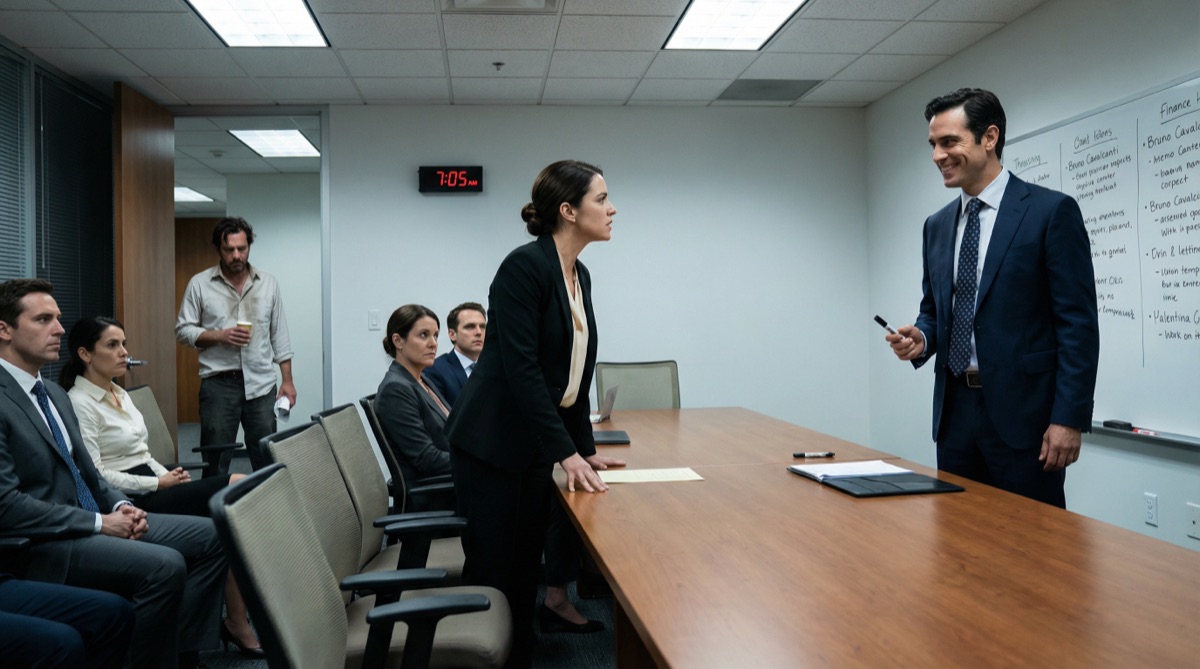
7 AM. Conference Room B.
Bruno stood at the head of the table, marker in hand, radiating the energy of someone who had already won. The chairs were arranged in rigid rows facing him — not the collaborative circle of a real agile team, but a classroom. Teacher and students. Master and subordinates.
The team trickled in, taking their assigned seats, clutching coffee cups like lifelines. Mari and Camila sat together in the back, whispering. Sebastián claimed a chair near the front with his usual confidence. Diego slipped in early, as always, choosing a corner seat where he could observe without being noticed.
Mando took his seat at 6:55, face carefully neutral.
Rafa at 6:58, jaw tight, dropping into the chair beside him.
7:00. No Héctor. One chair sat empty.
Bruno glanced at his watch — a pointed gesture. “Shall we begin? Mando, yesterday and today.”
The accountability session proceeded with mechanical efficiency. One by one, Bruno called on each seated developer, pointing at them like a teacher conducting roll call. Each person reported their status in the prescribed format. Bruno made notes on the whiteboard, asked clarifying questions, occasionally frowned at answers he didn’t like.
7:08. Still no Héctor.
“Where is Señor Villanueva?” Bruno asked, his voice pleasant.
“Traffic, probably,” Mando said. “The Periférico is—”
“Traffic is not an excuse. Traffic is a predictable obstacle that can be planned for.” Bruno smiled. “Let’s continue. Diego?”
Diego was mid-sentence when the door opened.
Héctor rushed in, out of breath, shirt untucked, face sheened with sweat. His hands were shaking. “I’m sorry — there was an accident on the highway, a truck overturned, I couldn’t—”
“You’re late.”
The three words fell into the room like stones into still water. Everyone froze. Héctor’s face went white, then red, then a sickly gray. His stomach dropped through the floor.
“Eight minutes late.” Bruno’s voice was soft. Almost gentle. The gentleness of a surgeon explaining exactly how he was going to cut you open. “On the very first day of our new accountability structure. What message does that send to your team, Héctor? What message does that send to me?”
“There was an accident. Traffic was at a standstill. I couldn’t—”
“You couldn’t plan ahead.” Bruno’s smile never flickered. “You couldn’t leave ten minutes earlier. You couldn’t account for the possibility of the unexpected.” He turned to face the room, spreading his arms like a preacher. “Let’s be very clear about something: lateness is not a minor issue. It’s not a ‘oops, traffic was bad’ issue. It’s a character issue. It’s a symptom of disorganization, disrespect, and the kind of undisciplined thinking that has kept this company trapped in the past for twenty-five years.”
Héctor’s face went from red to purple. His hands clenched at his sides. “I have given twenty-five years of my life to this company—”
“Twenty-five years of building a system that’s now obsolete.” Bruno walked toward him slowly, deliberately, like a predator circling wounded prey. “Twenty-five years of creating technical debt that someone else has to clean up. Twenty-five years of becoming so indispensable that the company can’t fire you, even when you show up late and disheveled like you just crawled out of a bar.” He stopped directly in front of Héctor, looking him up and down with undisguised contempt. “Experience is valuable, Héctor. But experience without discipline is just entropy. And entropy is what kills companies.”
The silence in the room was absolute. Mando’s knuckles had gone white around his coffee cup. Rafa looked like he was about to throw a punch.
Something in Valentina snapped.
“You can’t speak to him like that.”
Every head in the room turned.
Bruno’s eyebrows rose slightly. “Excuse me?”
“Héctor is the reason this company has any system at all. He’s the reason the business logic works, the reason clients stayed when everything else fell apart.” Valentina stood, her voice steady despite her racing heart. “Eight minutes late on a day with a highway accident is not a character flaw. It’s human.”
“Valentina—” Don Rodrigo started, but Bruno cut him off.
“Human.” Bruno savored the word. “Yes. Very human. And very problematic.” He walked slowly toward her, still smiling. “Do you know why companies fail, Valentina? It’s not bad code. It’s not outdated technology. It’s the tolerance of human weakness. The acceptance of excuses. The belief that feelings matter more than results.”
“Results built on fear don’t last.”
“Fear?” Bruno laughed — warm, charming, utterly cold. “I’m not selling fear. I’m selling clarity. I’m selling predictability. I’m selling the promise that when you say something will be done, it gets done.” He stopped in front of her. “Héctor will receive a formal warning. As prescribed by the framework. Fair. Consistent. Documented.”
He turned back to the room.
“Anyone else have concerns?”
Silence.
“Good.” Bruno checked his watch again. “Session complete. Back to work, everyone. We have a deadline to meet.”
The room emptied slowly. Valentina caught Héctor’s eye as he shuffled past — shame and gratitude warring on his face.
Diego lingered by the door, watching her.
Bruno lingered too, waiting until they were nearly alone.
“You have fire,” he said softly. “I like that. But fire needs direction, or it just burns everything down.”
“Is that a warning?”
“It’s an observation.” He gathered his things. “I meant what I said at dinner. You’re exceptional. It would be a shame to see you waste that on people who can’t be saved.”
He walked out.
Valentina stood alone in the empty room, hands shaking.
This isn’t over, she thought. This is just the beginning.
The Shadow
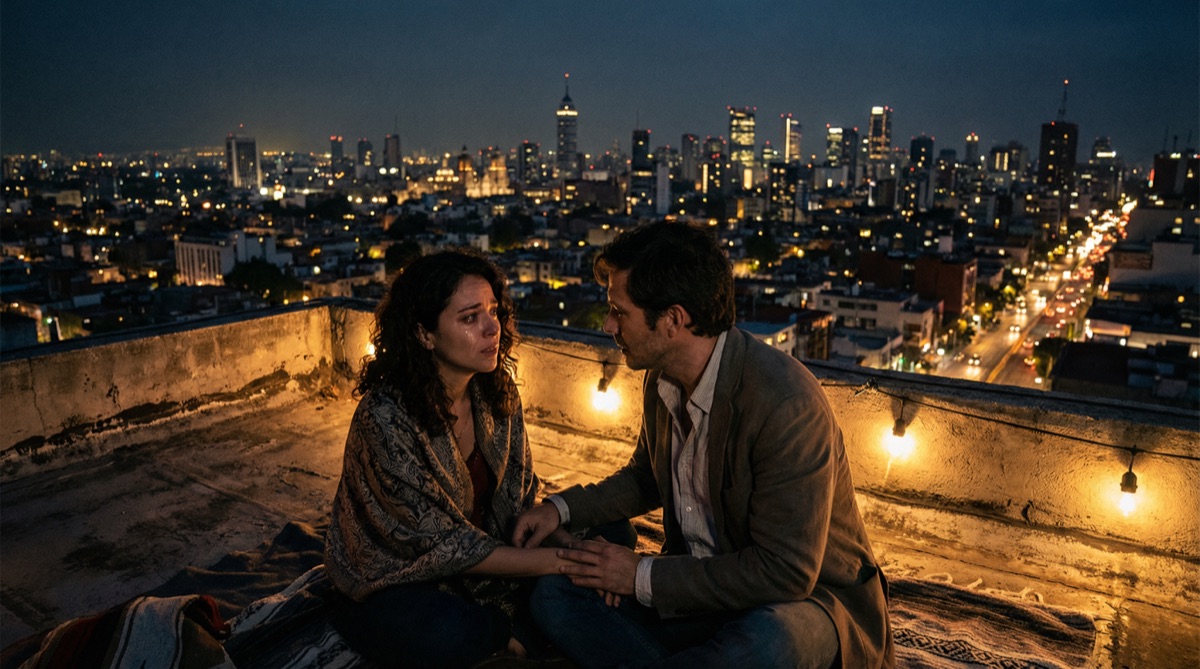
That night, Diego found Valentina on the rooftop.
She was sitting on an overturned crate, staring out at the city lights, arms wrapped around her knees.
“You shouldn’t have done that,” he said quietly, settling beside her. “Bruno’s dangerous.”
“I know.”
“Then why?”
“Because someone had to.” She turned to look at him. “Because Héctor deserves better than to be humiliated in front of everyone for being eight minutes late.”
Diego was quiet for a long moment. Below, the city hummed its eternal song of traffic and life and struggle.
“I would have said something,” he said finally. “But I wasn’t fast enough.”
“It’s okay.”
“It’s not.” His voice was rough. “I’ve been watching you, Vale. Since you came back. You stand up for people. You fight for them. And I just… stand there.”
“Diego—”
“No, listen.” He turned to face her, his eyes intense. “I’ve loved you since we were kids. Since before MIT, before any of this. And I never said anything because I thought — I thought you were too good for me. Too smart. Too ambitious. Too everything.”
Valentina’s heart stuttered.
“And now you’re back, and you’re even more amazing than I remembered, and Bruno is circling you like a shark, and I still can’t—” His voice broke, his hands clenching into fists at his sides. “I still can’t find the words to tell you that I would do anything for you. Anything. And it’s killing me. It’s fucking killing me to watch him look at you like that.”
The city lights blurred through sudden tears.
“Diego,” she whispered. “I didn’t know.”
“You weren’t supposed to. That was the point.” He laughed bitterly. “Pretty cowardly, right?”
“No.” She reached out, took his hand. “No, it’s not cowardly. It’s just… human.”
They sat there in the darkness, hands intertwined, while Mexico City sprawled beneath them like a universe of secrets.
The File

Mando found Sebastián in the server room after midnight.
Everyone else had gone home. The building was dark except for emergency lighting and the eternal glow of the servers.
Sebastián didn’t hear him approach. His attention was fixed on the terminal, fingers flying across the keyboard.
“What are you doing?”
Sebastián jumped, nearly knocking over his chair.
“Mando. Jesus. You scared me.”
“What are you doing?” Mando repeated. His voice was flat. Dangerous.
“Just… checking some logs. For tomorrow’s accountability session. Bruno wants—”
“Bruno doesn’t have access to these files.” Mando stepped closer, looking at the screen. His face hardened. “These are the legacy migration scripts. The business logic core.”
“I know. I was just—”
“You were copying them.”
Sebastián’s face went pale.
“What are you really doing here, boy?” Mando’s voice was quiet now. The quiet of a man who had survived too many betrayals to be surprised by another. “And don’t lie to me. I’ve been doing this for thirty years. I know what stealing looks like.”
Sebastián’s hands trembled over the keyboard.
“I can explain.”
“Then explain.”
“I…” Sebastián swallowed. “I was sent here. By a company in San Francisco. They wanted our migration approach. Our business logic.”
“Sent here to spy.”
“Yes.” The word came out as a whisper.
Mando nodded slowly. “And did they pay you well? To betray us?”
“Yes. But—”
“But what?”
Sebastián looked up, and there were tears in his eyes. “But I don’t want to do it anymore. These people — Héctor, Rafa, you — you’re not just code monkeys. You’re family. And Mari—” His voice cracked. “Mari trusts me. Really trusts me. And I can’t—”
“Can’t what? Keep lying?”
“Can’t lose her.” Sebastián wiped his eyes. “I know that sounds pathetic. I know I don’t deserve anything after what I’ve done. But she’s the first real thing in my life. Ever.”
Mando studied him for a long moment. The servers hummed their eternal chorus.
“Who sent you?”
“Nexus Logistics Technologies. They’re trying to break into the Latin American market. LogiMex is their biggest obstacle.”
“And what were you supposed to deliver?”
“Everything. The AS/400 migration strategy. The business logic patterns. The client contracts.”
“And have you?”
Sebastián hesitated. Then, slowly: “Some of it. Before I… before I understood.”
Mando’s jaw tightened. “Then we have a problem.”
“I know. But I’ll fix it. Whatever it takes, I’ll fix it.”
“Why should I believe you?”
“Because—” Sebastián’s voice broke. “Because I’m asking you to. Because I’m choosing this family over the money. Because if you give me one chance, I will spend the rest of my career making it right.”
The silence stretched between them.
Finally, Mando reached past Sebastián and closed the terminal window.
“We’ll talk about this tomorrow. You, me, and Valentina.”
“Not Bruno?”
Mando’s laugh was humorless. “Bruno is the last person who should know about this. He’d use it to burn everything down.”
He turned and walked toward the door.
“Mando?”
“What?”
“Thank you. For not calling security.”
Mando paused. “Don’t thank me yet. Tomorrow we decide whether you get a second chance. And if you do?” He looked back, his eyes hard. “You earn it. Every single day. For the rest of your time here.”
He disappeared into the darkness.
Sebastián sat alone in the server room, trembling.
What have I done? he thought.
And what am I going to do now?
🎭 This Week's Episodes
Telenovelas show what we can't say in client meetings. The drama is heightened, but the patterns are real.
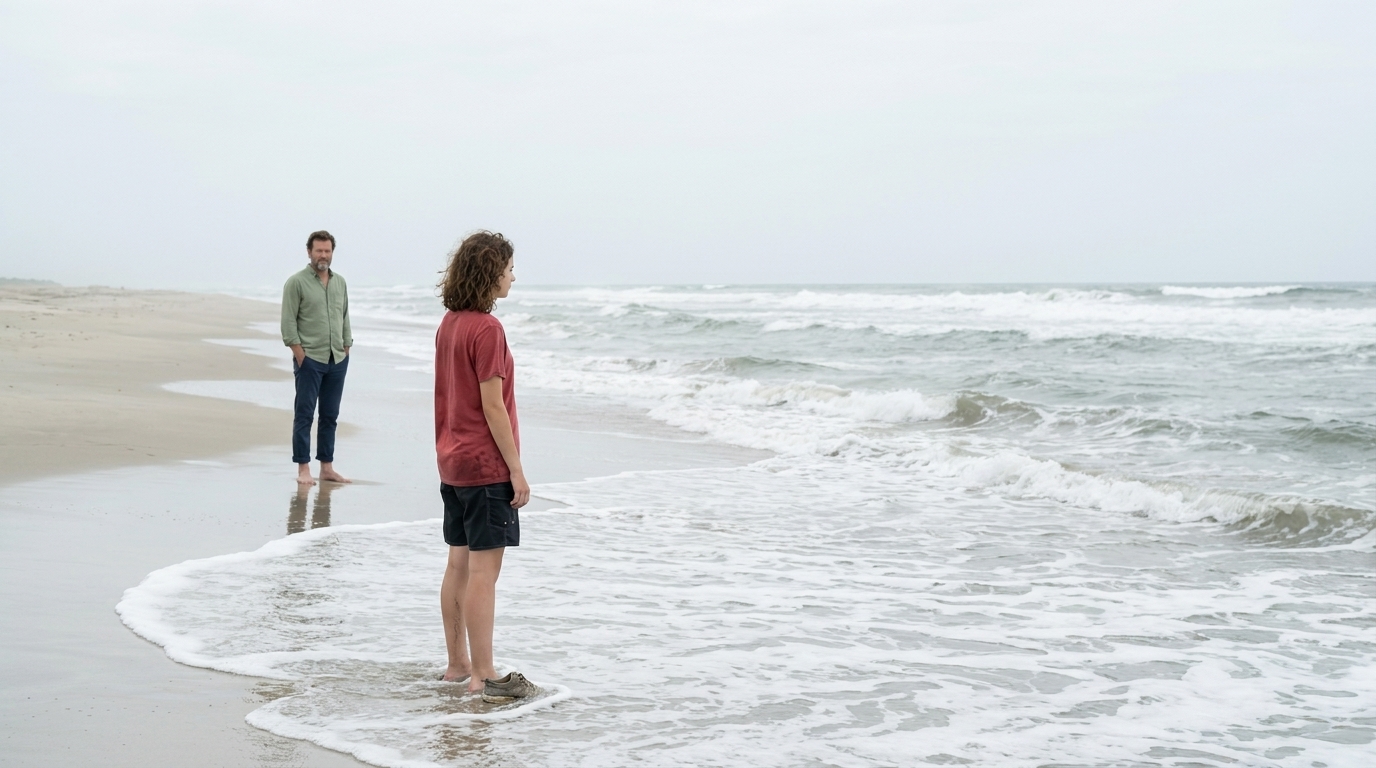 Three Ways to Understand a Country
Stefan drives Sophie to the Pacific for two days. The beach is big enough to make her feel appropriately small. Back at the finca the rain keeps th...
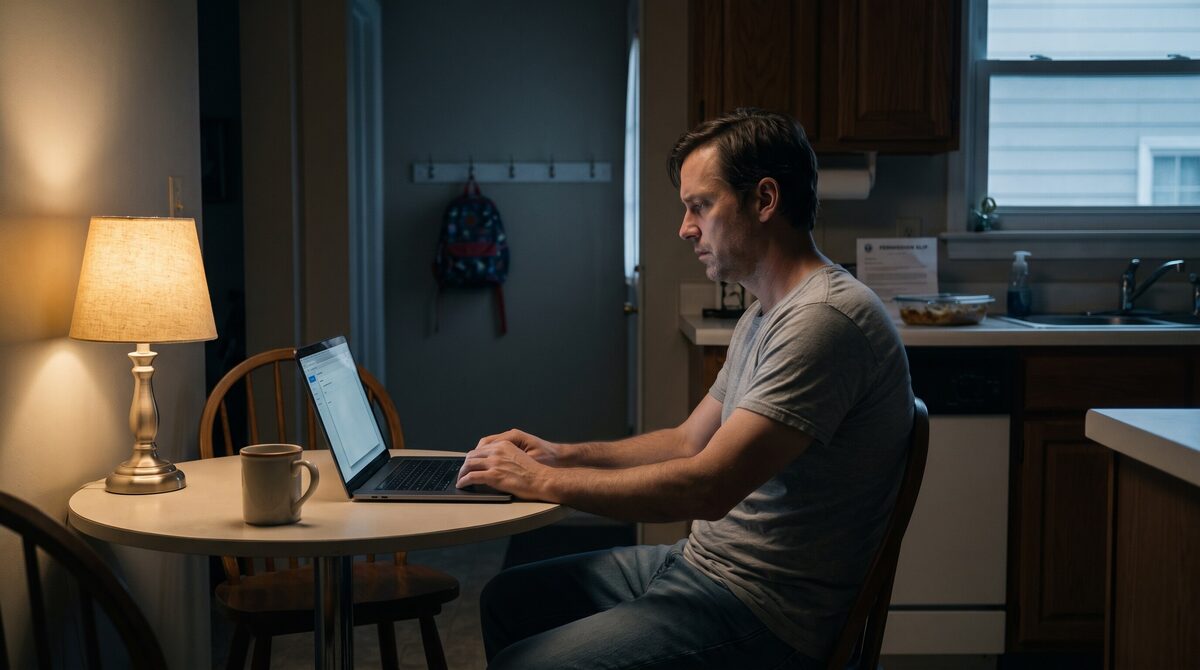 The Resignations
Nathan Cole resigns on a Monday morning with two sentences and no argument left in his body. By Tuesday his desk is empty and the company's institu...
Technical Consultancy
Embedded Delivery Partner
Embedded into your team as an active contributor, reducing delivery friction and helping important work move cleanly.
Technical Advisor
Peer-style technical assessments before far-reaching decisions; reduce architectural and product risk early.
Product & Delivery
Ship working software to real users earlier. Measure impact and adapt based on evidence rather than assumption.
Custom Software Development
High quality, maintainable software. Short-term augmentation that leaves lasting capability in your own team.
Recent Articles
- When Everything Is Finally Under Control (28.09.2026)
- AI Makes Technical Execution Cheap. Judgment Stays Scarce. (24.09.2026)
- The LLM Will Not Come Back Tomorrow (19.09.2026)
- The One-Person AI Company Is a Greed Fantasy (15.09.2026)
- Test Production Without Leaving a Mess (10.09.2026)
Explore More