The Expansion
Katja requires all department leads to start logging in Navigator. Elif and Priya adopt immediately. Lars and Carmen resist. The interview circus begins for ten new developer positions. Tomasz logs his frustration: 'Hired to solve technical problems, spending week interviewing instead.' Navigator starts revealing dysfunction even leadership can't ignore.
The Presentation
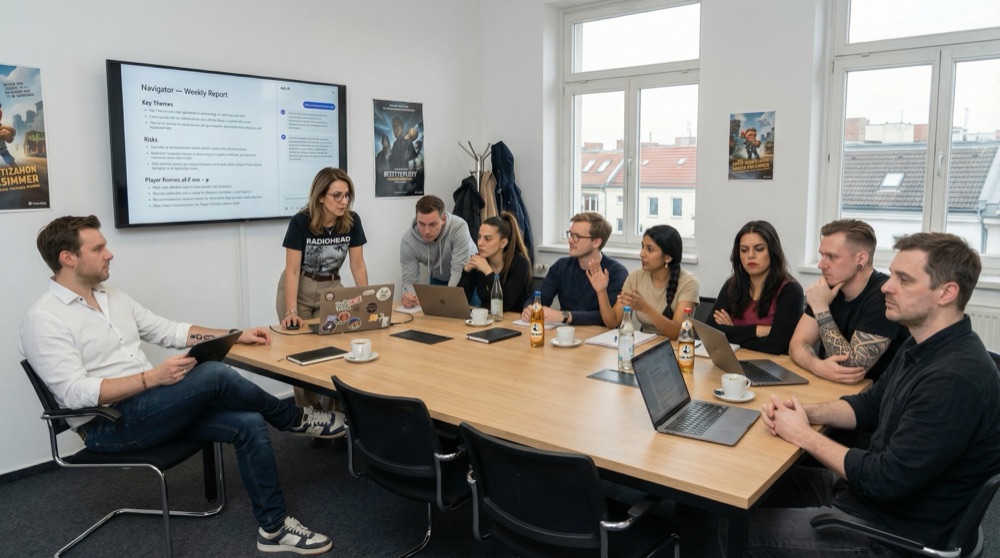
Wednesday morning, 09:47. The leadership meeting room on the third floor. Nine department leads around the table with their laptops. Lukas at the head, Katja to his right with her MacBook covered in stickers from conferences she attended three years ago when she still had time for professional development.
Coffee cups everywhere. Bitter espresso. Someone’s coconut latte.
Katja opened her presentation. No slides. Just the Navigator weekly report projected on the screen — the three-section layout she’d been staring at for two days.
“This is the first weekly synthesis,” she said. “One week of logs from three people. Me, Mariana, and Hassan. March 5th through 11th.”
Lars Pedersen (Game Design) leaned back in his chair, arms crossed. “One week? Three people? That’s your sample size?”
“Look at what it shows,” Katja said.
The report header read: Weekly Report, March 5-11, 2026. Below it, a small disclaimer: Weekly summaries are generated by AI and serve as advisory insights; they do not evaluate individual performance.
Katja scrolled to the Observed Actions section:
Report on infrastructure dependencies across the logged period. Hassan Al-Rashid appears in multiple contexts. Mariana Santos’s entries repeatedly reference waiting for infrastructure support — deployment pipeline access, server configurations, environment setup. The pattern suggests a single point of contact for infrastructure decisions, with work items pausing until Hassan becomes available.
CTO activity patterns: Katja Müller’s entries show meeting attendance as dominant daily activity, frequently noting that discussions ended without clear decisions or next steps. Technical work appears in brief mentions, typically described as “squeezed between” scheduled commitments.
Developer context: Mariana Santos describes work fragmented by dependencies — requirements clarification needed, art assets not yet available, infrastructure access pending. Actual coding mentioned infrequently compared to waiting states and coordination activities.
Silence.
Carmen Vega (Art Director) frowned at the screen. “Shit, that’s accurate. We’ve been waiting on Hassan for server access for the new asset pipeline since last fucking Thursday.”
Tomasz Kowalski (Head of Engineering) stared at the CTO activity description. “Holy shit. You’re barely getting any work done?”
“That’s what the synthesis shows,” Katja said quietly. “And I didn’t realize it until I saw it written down.”
Elif Yılmaz (Live Ops) leaned forward. “What’s in the Recommendations section?”
Katja scrolled to the right column:
Recommendations
• Establish infrastructure backup/delegation: Cross-train at least one additional person on deployment pipeline, server configurations. Document standard procedures. Reduces single point of failure risk.
• CTO calendar audit: Block dedicated technical work time. Eliminate meetings without clear decision criteria. Consider delegating or declining recurring status meetings.
• Requirements clarity before assignment: Establish requirement completeness checklist. Don’t assign work items until requirements meet minimum clarity threshold. Reduces developer waiting time.
Daniel Schmidt (QA Director) looked surprised. “Huh. Those are actionable. Not just bullshit recommendations.”
“Keep scrolling,” Priya (Analytics) said. “What’s in Conclusions?”
Katja scrolled down:
Conclusions
• Single points of failure: Current structure creates dependencies on specific individuals (Hassan for infrastructure, Lars Pedersen for design decisions based on external context). When these individuals are unavailable, work stalls organization-wide.
• Meeting overhead reducing leadership capacity: CTO and Head of Engineering spending majority of time in coordination meetings rather than technical decisions. Pattern suggests organizational scaling issue — more people means more coordination overhead, less actual work.
• Developer effectiveness: Experienced developers spending more time navigating organizational dependencies than applying technical skills. This suggests systemic process issues, not individual performance problems.
Lukas Weber hadn’t said a word. He was reading the full synthesis on his iPad, occasionally tapping sections.
Priya Sharma broke the silence. “I’ve been sending reports about this shit for eight fucking weeks. Nobody reads them. This synthesis shows the exact same patterns I’ve been screaming about, but now you’re all listening.”
Lars Pedersen shifted in his chair, smirking. “Yeah, because Katja’s presenting it, not you.”
“Because it’s not opinions,” Priya shot back. “It’s aggregated daily logs showing what people experienced. Not what they think happened, not what they hope leadership wants to hear. What happened.”
Daniel Schmidt raised his hand slightly. “Question. This synthesis is from three people logging for one week?”
“Yes,” Katja said.
“What happens when more people log?”
“We get clearer patterns,” Katja said. “More signal, less noise.”
Lukas set down his iPad. “Starting this week, all department leads will log daily in Navigator. Not optional.”
Lars immediately objected. “I don’t have time for—”
“Then you’ll make time,” Lukas said flatly. “Fifteen minutes at end of day. What you worked on, what blocked you, what you observed. That’s it.”
Carmen Vega crossed her arms. “My work speaks for itself. I ship assets every week.”
“And yet we don’t know why you’re three weeks behind on the Season 4 character redesigns,” Lukas said. “Log it.”
Elif Yılmaz was already pulling out her phone. “Is there an app or do we use the web interface?”
Katja smiled slightly. “It’s a web app, but you can install it on your phone like a native app. I’ll send everyone the onboarding guide after this meeting.”
Priya practically vibrated with excitement. “Can we see cross-department patterns? Like, if three different teams are all blocked by the same thing?”
“That’s what the synthesis does,” Katja said. “It finds patterns across all the logs and surfaces them. And there’s a chat feature — you can ask follow-up questions based on the logged data.”
Lukas looked up from his iPad. “Show me.”
Katja clicked the “Ask AI” button at the bottom right of the screen. A chat interface appeared.
Katja: How many times was Hassan mentioned in logs this week?
The response appeared:
Navigator: Hassan Al-Rashid was mentioned in 8 of 15 daily log entries this week (3 people logging, 5 days each). Contexts included: deployment pipeline access (5 mentions), server configuration (2 mentions), infrastructure decisions (3 mentions). Multiple entries describe waiting for Hassan’s availability.
Tomasz leaned forward. “Ask it about meeting time.”
Katja typed:
Katja: What patterns appear around meeting effectiveness?
Navigator: Meeting-related entries appear in 11 of 15 logs this week. Common themes: meetings scheduled without clear agenda (7 mentions), discussions ending without decisions (6 mentions), same topics revisited across multiple meetings (4 mentions). Katja Müller’s entries specifically note frustration with recurring status meetings that produce no actionable outcomes.
“Fuck,” Tomasz said quietly. “That’s useful.”
Lars still looked skeptical. “And who’s reading all these individual logs?”
“Nobody,” Katja said. “Navigator processes them and generates the weekly synthesis. Plus recommendations and conclusions. We read those, not individual logs. And we can ask follow-up questions through the chat.”
“AI,” Lars muttered. “Great. Another black box.”
“It’s not a black box,” Katja said patiently. “It synthesizes what people wrote. You can see the sources. It’s finding patterns in qualitative data, not making things up.”
Lukas Weber stood up. “Department leads start logging today. We’ll review the first full synthesis next Wednesday. That’s it.”
The Resisters
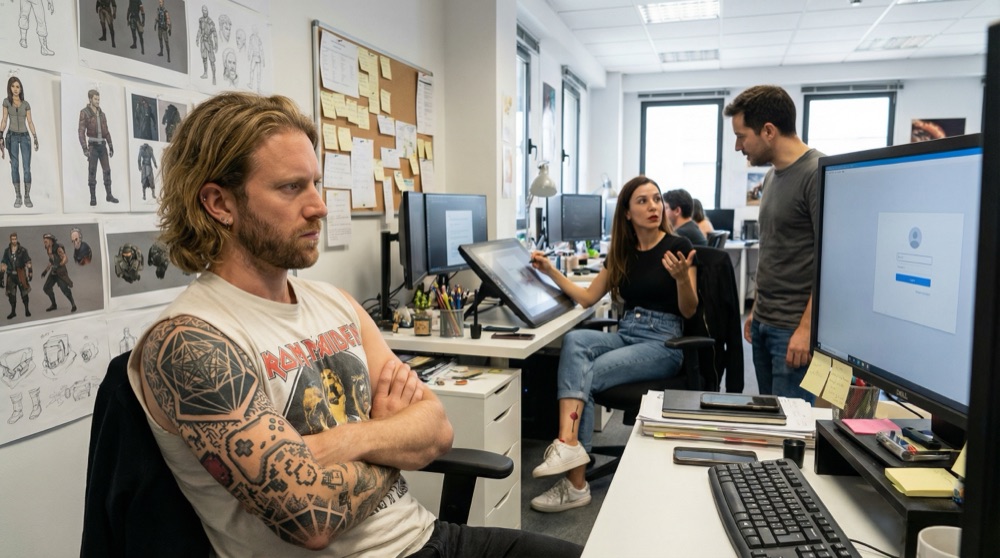
Wednesday afternoon, 15:23. Lars Pedersen’s office on the fourth floor, door half-closed. White walls covered with concept art sketches, cork boards full of feature ideas scribbled on index cards.
Lars sat at his desk, staring at the Navigator login screen Katja had sent. He looked at it the way you look at a parking ticket.
 Carmen Vega Did you actually create an account?
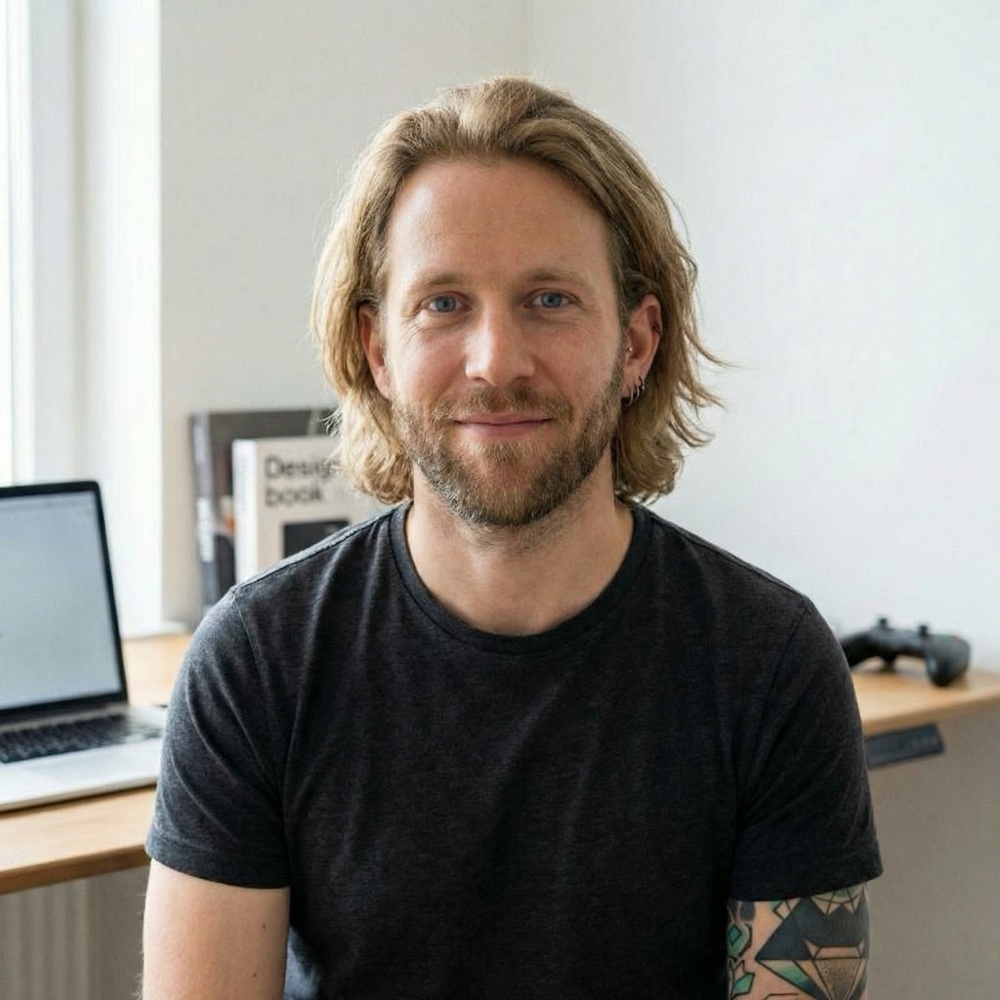 Lars Pedersen Hell no. You?
Carmen Vega Fuck that. I already document everything in Notion, Photoshop, and email. Now I'm supposed to write feelings in another app?
Lars Pedersen It's not about feelings. It's about "blockers" and "patterns."
Carmen Vega So feelings with corporate language
Lars Pedersen Exactly
Lars closed the Navigator tab. Back to his design doc for Season 4. He had work to do.
Across the office in the Art department, Carmen Vega was having the same conversation with her lead character artist, Matteo.
“You gonna log in Navigator?” Matteo asked, sketching on his Wacom tablet.
“No,” Carmen said. “My work is visible. Anyone can look at Photoshop files or the asset repository and see exactly what I’m working on, what’s blocked, what’s shipping. I don’t need to write a daily diary about it.”
Matteo shrugged. “Katja seemed pretty serious about it.”
“Katja’s desperate,” Carmen said. “She’s drowning and she thinks a new tool will save her. It won’t. We need fewer bullshit meetings and clearer priorities, not another fucking app to maintain.”
“Fair,” Matteo said.
Carmen went back to reviewing the Season 4 character model revisions. Three weeks behind schedule because Lars Pedersen kept changing the core design concept. She could write that in Navigator, or she could just keep emailing Lars about it like she had been for the past month.
Email felt more direct.
The Adopters

Wednesday evening, 18:34. Elif Yılmaz sat at her standing desk in the Live Ops corner of the office, writing her first Navigator log.
She’d created her account during lunch and spent the afternoon thinking about what to write. Now she just… wrote.
Wednesday, March 12:
Spent the morning planning the Easter event — skins, bundles, economy balance. Looks good on paper. Reviewed player feedback from last weekend’s sale. Mixed response to pricing, which means someone will want a post-mortem meeting that accomplishes nothing.
Tried to schedule Friday deployment. Development says they need 48 hours notice even for small config changes. Waited 3 hours for Hassan to approve server access for the new event assets. Still can’t get a firm answer on whether Season 4 will launch on time, which means my entire event calendar is a guess.
Players are still complaining about last update’s inventory bug in Discord. Saw Marcus Thompson at his desk at 19:00 yesterday dealing with support tickets. We have three events ready to launch but deployment friction is killing all our momentum.
She hit Save. Twelve minutes.
Her phone buzzed. Priya Sharma.
 Priya Sharma Did you log yet?
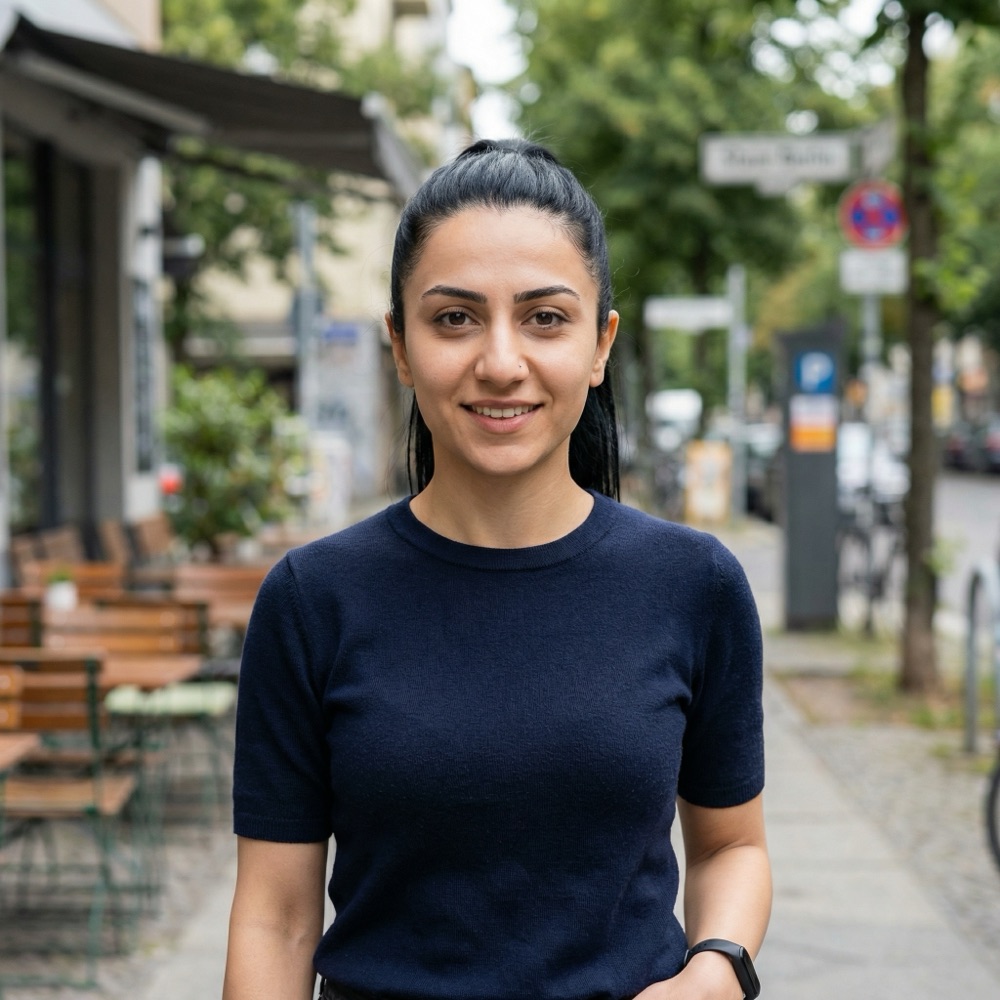 Elif Yilmaz Just finished. You?
Priya Sharma Wrote mine during lunch. When the synthesis shows what I've been screaming about for MONTHS, they'll have to fucking listen
Elif Yilmaz The pattern where nobody reads your shit?
Priya Sharma Exactly. Except now it won't just be me bitching. It'll be the synthesis showing the pattern in everyone's logs
Elif Yilmaz And nobody can ignore it when Navigator surfaces it
Priya Sharma Exactlyyy. Evidence, not just me being annoying lol
Elif smiled and went back to planning the Easter event. For the first time in weeks, she felt like someone might see what was blocking her team.
Down the hall, Priya Sharma was writing her second log entry of the day (Katja said one per day, but Priya had things to say).
First draft:
What I observed today that nobody will listen to:
- Lukas announced hiring 10 new developers
- Current team is already underwater
- Onboarding capacity: approximately zero
- Prediction: new hires will slow us down for 3-4 months before providing value
- Also prediction: leadership will panic when velocity doesn’t immediately increase
- Also also prediction: I will send a report about this and nobody will read it
She hesitated, then deleted the sarcasm and rewrote it:
Just heard we’re hiring 10 developers. My immediate thought: who’s going to onboard them? Current team is at capacity. Every senior developer is already stretched thin. Onboarding takes time — mentoring, code reviews, architecture context, process explanations. We’ll see a velocity decrease during ramp-up, guaranteed.
Recommendation (that nobody will listen to): stagger hiring over 4-6 months instead of bulk hiring. Give each cohort time to become productive before adding the next wave. But that requires patience, which leadership doesn’t have.
She hit Save. Professional. Evidence-based. Exactly the kind of thing leadership ignored when she sent it in reports.
But maybe this time, when the synthesis showed the pattern, someone would give a shit.
The Interview Circus
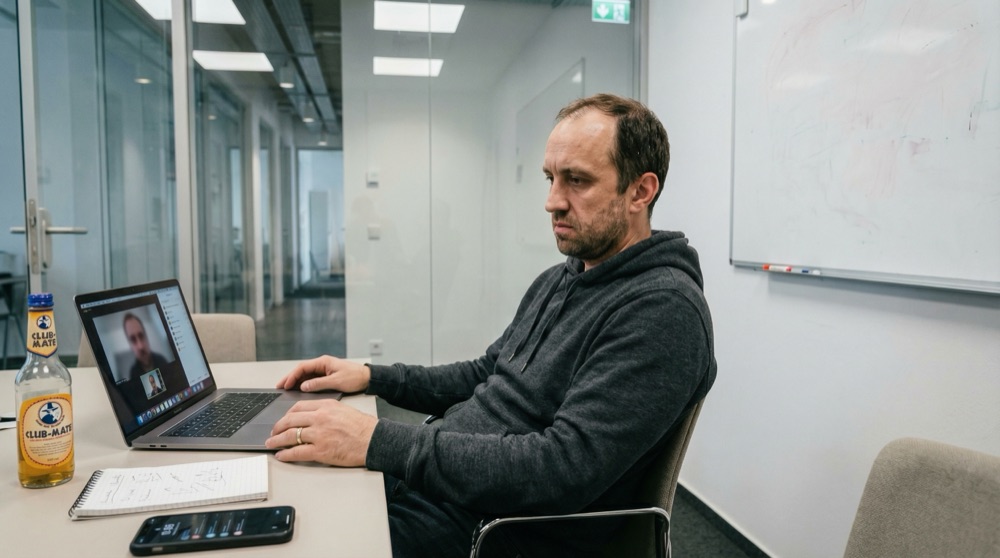
Thursday, 09:58. Tomasz Kowalski sat in the small conference room on the second floor with his laptop, a bottle of Club-Mate, and a calendar full of 45-minute interview slots.
Ten new developer positions. Recruiting wanted him to interview every candidate who made it past the initial screen.
He opened Zoom for the first interview. Java backend developer, five years experience, currently at a fintech startup in Frankfurt.
09:59… 10:00.
The candidate appeared on screen. Young guy, maybe 27, sitting in what looked like a home office. Tomasz went through the standard questions, gave him a coding challenge, reviewed his approach.
10:45. Interview ended. Tomasz had fifteen minutes before the next one.
He pulled up the codebase to check on the inventory bug fix Mariana had deployed yesterday. No time to review it. Next interview starting.
10:59… 11:00.
Second candidate. Mobile developer, three years Flutter experience. Tomasz asked about state management, reactive programming, testing strategies.
11:45. Third interview at 12:00. No lunch.
12:00… 12:45… 13:00… 13:45…
By 15:30, Tomasz had done six technical interviews. His brain couldn’t hold another architectural question. He opened Slack to catch up on what the team was doing.
Chaos. Hassan Al-Rashid had pinged him four times about infrastructure decisions. Mariana Santos needed code review on a critical PR. Anton Petrov was blocked waiting for API spec approval.
Tomasz looked at his calendar. Two more interviews tomorrow. Three on Monday.
Fucking hell.
He opened Navigator and wrote his first log:
Thursday, March 13:
Six technical interviews today. Zero actual technical work. Zero code reviews. Zero architecture decisions. Just interviews.
Meanwhile the team is blocked waiting for my input. Hassan pinged me four times. Mariana twice. Anton once. I can’t maintain technical context when I’m interviewing six hours a day.
We’re hiring 10 people because we’re underwater. But I’m spending all my time interviewing instead of unblocking the current team. This makes us slower. Leadership either doesn’t see this trade-off or doesn’t care.
He hit Save.
Fuck it. At least now it would be documented when everything goes to shit.
The Reality Gap
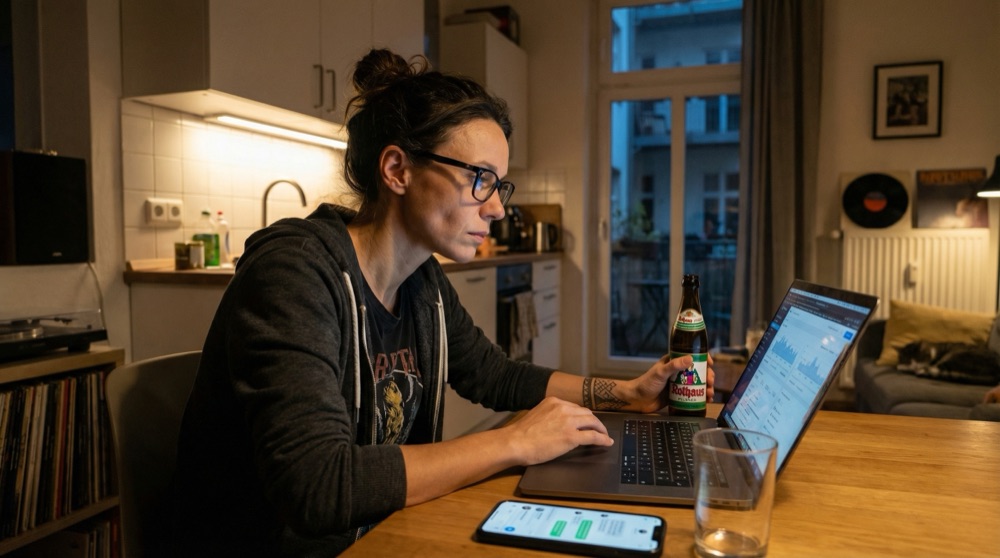
Friday, 22:17. Katja sat in her apartment in Kreuzberg, laptop on the kitchen table, reviewing Navigator.
She’d sent invites to all nine department leads Wednesday morning. First she checked the Crew page to see who had accepted.
Accepted invites:
- Katja Müller (CTO)
- Elif Yılmaz (Live Ops)
- Priya Sharma (Analytics)
- Tomasz Kowalski (Head of Engineering)
- Hassan Al-Rashid (DevOps)
- Marcus Thompson (Support)
Pending invites (not accepted):
- Lars Pedersen (Game Design)
- Carmen Vega (Art Director)
- Daniel Schmidt (QA)
Six out of nine. Not terrible.
She switched to the dashboard. The “10 Last Entries” section showed recent activity:
- Priya Sharma — 19:23 today — “Hiring 10 developers when we can’t onboard them. Velocity will drop during ramp-up, guaranteed…”
- Elif Yılmaz — 18:34 today — “Three events ready to launch but deployment friction is killing momentum…”
- Katja Müller — 18:47 today — “Another day, another three hours in status meetings that produced zero decisions…”
- Hassan Al-Rashid — 14:18 today — “Infrastructure requests piling up. Can’t scale deployment pipeline when I’m firefighting…”
- Tomasz Kowalski — yesterday, 15:42 — “Six technical interviews today. Zero actual technical work. Team blocked waiting for my input…”
The rest were older entries from earlier in the week. Nothing from Lars Pedersen, Carmen Vega, or Daniel Schmidt. Nothing from Marcus Thompson since Monday.
Katja sighed and opened a beer from her fridge. Rothaus Pils, the good stuff from the Black Forest.
She clicked the “Ask AI” button, curious what Navigator would say about the logs so far.
Katja: What patterns emerge from this week’s logs?
Navigator: Most frequent themes: deployment friction (mentioned in 4 of 6 active logs), unclear decision-making processes (3 mentions), hiring/onboarding concerns (2 mentions). Common blocker: waiting for approvals from Hassan Al-Rashid (infrastructure/DevOps) appears in 3 different department logs. Tomasz Kowalski’s interview load creating bottleneck for technical decisions.
Katja stared at the response. That matched what she’d been seeing. Hassan mentioned as a blocker across multiple logs. Tomasz drowning in interviews.
She typed another question:
Katja: What will the synthesis show if only 5 people log consistently?
Navigator: Synthesis will reveal patterns within logged departments but create blind spots in non-logging areas. Recommendations and Conclusions will accurately reflect logged experiences but cannot surface patterns from Game Design and Art Director workflows. Risk: Leadership decisions based on incomplete organizational picture.
Her phone buzzed. Mariana Santos.
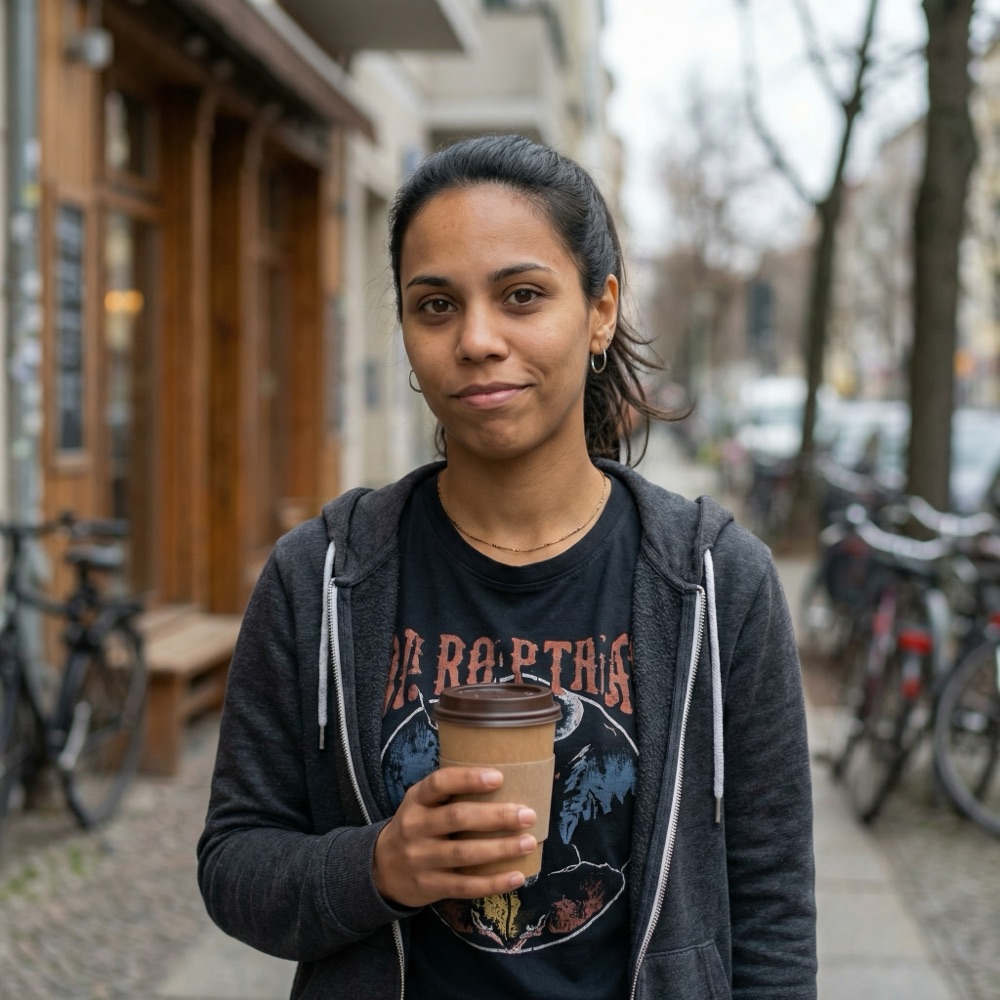 Mariana Santos Saw the user list. Lars and Carmen didn't even accept their invites?
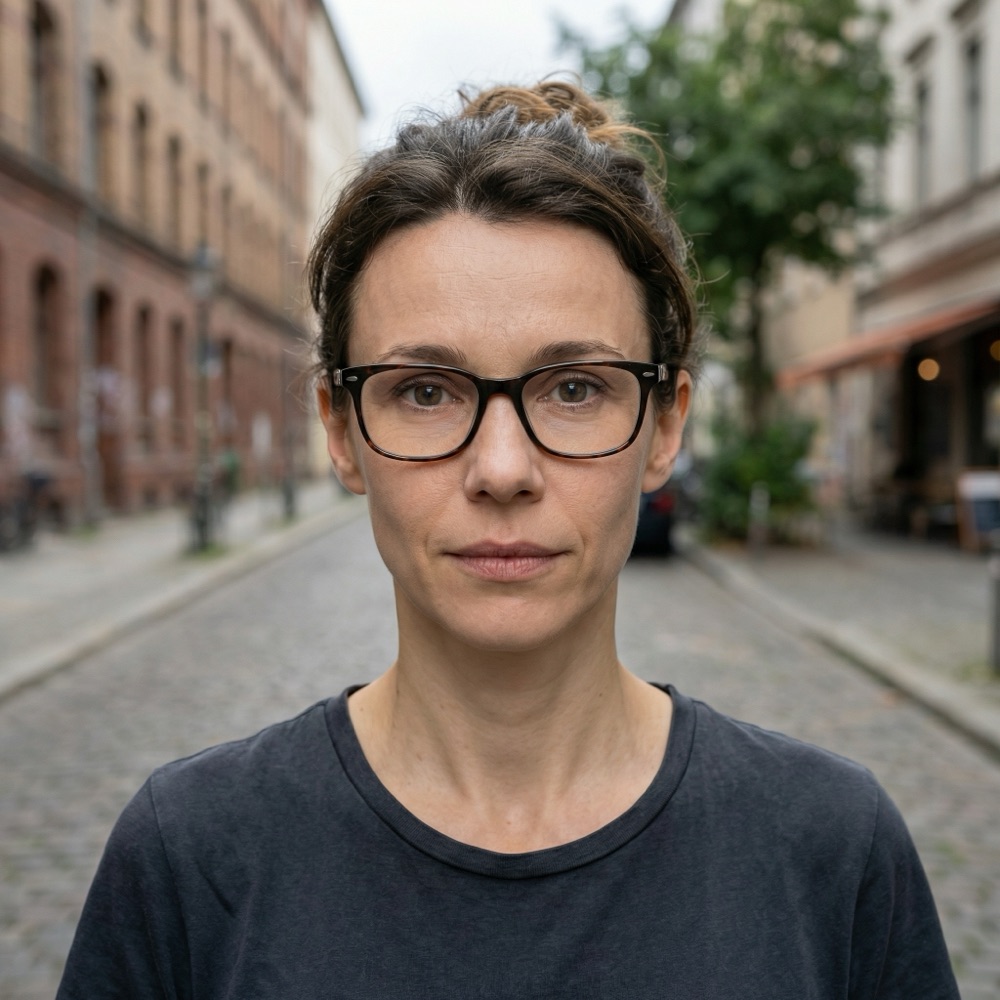 Katja Müller Nope
Mariana Santos Are you going to enforce it?
Katja Müller How? Make them write at gunpoint?
Mariana Santos Fair lol. But if leadership doesn't adopt, the synthesis won't show their blockers
Katja Müller I know
Mariana Santos Which means they'll just say "this doesn't represent my department" when patterns show up
Katja Müller Yep, already thought of that
Mariana Santos So what's the plan?
Katja took a long drink of beer and stared at her laptop screen.
Katja Müller Let the synthesis speak for itself. Next Wednesday, we'll have a week of logs from the people who give a shit. If it reveals something they can't ignore, maybe the others will start paying attention.
Mariana Santos And if they don't?
Katja Müller Then they stay blind while the rest of us see what's happening
Mariana Santos Optimistic
Katja Müller Desperate
Mariana Santos Same energy tbh
Katja smiled and closed her laptop. Six people had accepted invites. Three logging every day. Tomasz when he wasn’t drowning in interviews. Hassan when he had energy left after firefighting. Marcus logged once and apparently decided he had better things to do.
And three department leads who couldn’t be bothered to click the fucking invite link.
And next Wednesday, the synthesis would show patterns nine department leads couldn’t see through all the bullshit status meetings and endless email threads.
She just had to hope it would be enough.
The Underground Adoption

Friday, 16:42. The rooftop terrace behind the office building. Mariana Santos sat with Sofia and Rafael, the two junior developers on her squad, drinking coffee from the café downstairs.
Berlin spread out around them. Warm for March, about 14°C, sun breaking through clouds.
“You’ve been logging something every day,” Sofia said. “What is it?”
Mariana pulled out her phone and opened Navigator. “Katja introduced this tool. Daily logs about what you worked on, what blocked you, what you observed. AI synthesizes it weekly and finds patterns.”
Rafael leaned over to look. “Like a work diary?”
“Kind of,” Mariana said. “But it’s not for performance review or micromanagement. It’s organizational intelligence. Seeing patterns across the whole company.”
Sofia scrolled through Mariana’s recent logs. “You wrote about being blocked by unclear requirements four days in a row.”
“Because I was,” Mariana said. “And when the synthesis aggregates that with everyone else who logged the same pattern, it becomes visible to leadership.”
“Leadership reads this?” Rafael asked.
“Lukas read the first synthesis,” Mariana said. “Made him authorize expanding it to all department leads.”
“Department leads using it?” Sofia asked.
“Some are,” Mariana said. “Elif Yılmaz and Priya Sharma are logging every day. Katja obviously. Lars Pedersen and Carmen Vega are ignoring it.”
Sofia set down her coffee cup. “Can we use it? Or is it only for leads?”
Mariana hesitated. Katja had only mandated department leads. She hadn’t opened it to individual contributors yet.
But there was no rule saying they couldn’t.
“I’ll send you both an invite,” Mariana said. “Log if you want. Don’t if you don’t. It’s optional.”
“What should we write?” Rafael asked.
“What happened during your day,” Mariana said. “What you worked on, what blocked you, what you noticed. Be honest. Don’t perform for leadership. Just write the truth.”
Sofia nodded slowly. “I spent three hours yesterday waiting for Hassan Al-Rashid to approve my staging environment access.”
“Write that down,” Mariana said.
“And two days ago I was blocked because the API spec changed and nobody told me,” Rafael added.
“Write that down too,” Mariana said. “That’s the whole point. Capture what’s happening, not what leadership thinks is happening.”
They sat in silence for a moment, looking out over the city.
“Okay,” Sofia said. “I’ll try it.”
“Same,” Rafael said.
Mariana sent them both invites from the Navigator admin panel. Quietly. No announcement in Slack. No official mandate.
Just two more people who might start logging the truth.
And when the synthesis ran next week, their patterns would be visible alongside everyone else’s.
Signal through noise.
🎭 This Week's Episodes
Telenovelas show what we can't say in client meetings. The drama is heightened, but the patterns are real.
 Three Ways to Understand a Country
Stefan drives Sophie to the Pacific for two days. The beach is big enough to make her feel appropriately small. Back at the finca the rain keeps th...
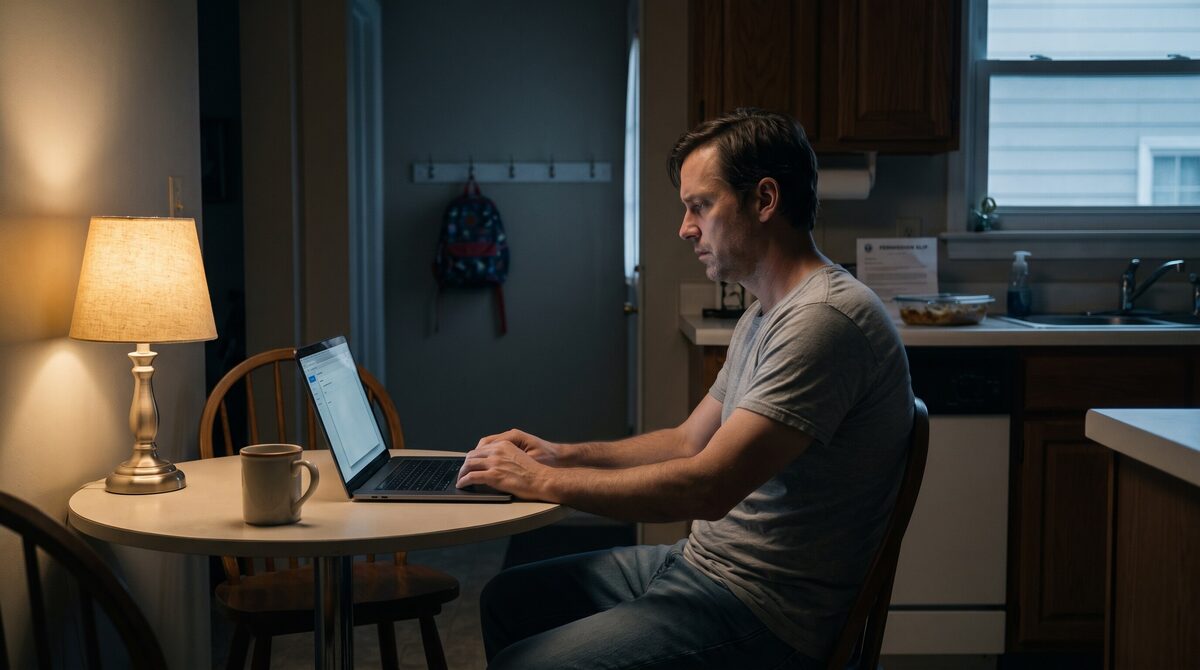 The Resignations
Nathan Cole resigns on a Monday morning with two sentences and no argument left in his body. By Tuesday his desk is empty and the company's institu...
Technical Consultancy
Embedded Delivery Partner
Embedded into your team as an active contributor, reducing delivery friction and helping important work move cleanly.
Technical Advisor
Peer-style technical assessments before far-reaching decisions; reduce architectural and product risk early.
Product & Delivery
Ship working software to real users earlier. Measure impact and adapt based on evidence rather than assumption.
Custom Software Development
High quality, maintainable software. Short-term augmentation that leaves lasting capability in your own team.
Recent Articles
- When Everything Is Finally Under Control (28.09.2026)
- AI Makes Technical Execution Cheap. Judgment Stays Scarce. (24.09.2026)
- The LLM Will Not Come Back Tomorrow (19.09.2026)
- The One-Person AI Company Is a Greed Fantasy (15.09.2026)
- Test Production Without Leaving a Mess (10.09.2026)