The First Synthesis
Katja reads the first weekly synthesis from Navigator and realizes it’s more damning than any angry all-hands: the same blockers appear again and again, and the company is bleeding hours to waiting and meetings. Lukas reads the report in silence, then asks the only question that matters: what do we do first? The leadership team reacts defensively, but the data is stubborn. Meanwhile, the promise of ten new hires looms — and the system’s absorption capacity is already cracking.
Monday, 07:54 — Katja’s Office

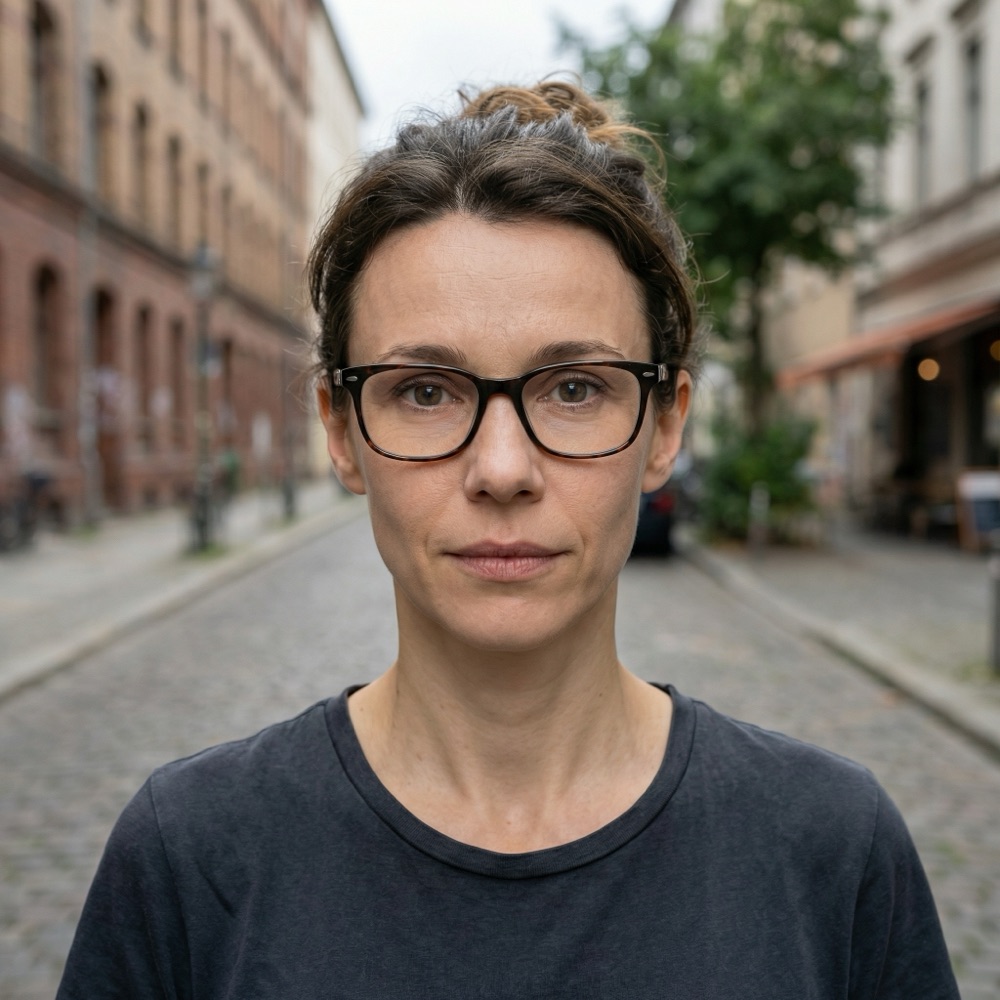
Katja expected the first synthesis to be thin.
A polite summary. A cute dashboard. A suggestion to “align stakeholders.”
The kind of output that lets leadership feel productive without changing anything.
Monday morning hit her with something else.
Navigator didn’t ask how she felt.
It didn’t care about her intentions.
It took the words three exhausted people typed between meetings and emergencies, extracted patterns, showed her the shape beneath.
The shape looked like reality.
Katja clicked the report.
It opened with a warning, blunt as a slap:
Synthesis Confidence: LOW (3 contributors)
Pattern Strength: MEDIUM (high repetition across days)
Recommendation: Expand logging to increase coverage.
Three contributors.
And still, repetition.
Katja scrolled.
📋 Summary
Observed Actions:
- Deployment dependency surfaces repeatedly across CTO, Development, and DevOps logs. Pattern: Hassan acts as serialized bottleneck for all staging resets, production releases, and environment configuration. Manual process creates queue; work waits regardless of readiness.
- Quality gates bypassed under deadline pressure documented multiple times. Pattern: QA identifies issues pre-release; leadership overrides; known bugs ship; team scrambles post-launch. Reactive firefighting becomes normalized rhythm.
- Requirements clarity breakdown visible in mid-implementation context switches. Pattern: Development begins work based on initial understanding; Product changes direction or fails to answer clarifying questions; rework loops accumulate.
- Meeting time displacing productive work flagged by multiple roles. Pattern: Status updates, alignment sessions, and cross-functional reviews consume build/test/implementation time. No clear outcome differentiation between necessary coordination and performance theatre.
Tooling and System State:
- Manual deployment process remains chronic friction point. No automation, no self-service capability. Single operator creates systemic delivery constraint.
- Staging environment instability requires frequent intervention. Reset requests queue behind single person.
Relation to Organizational Context:
- Hiring announcement (“ten more developers”) appears in logs alongside existing absorption capacity concerns. Pattern suggests adding headcount without addressing systemic blockers may amplify coordination overhead rather than delivery capacity.
- Cross-department communication breakdown visible in conflicting information and duplicate clarification requests.
🎯 Recommendations:
- Immediate: Evaluate DevOps capacity and deployment automation. Single-person bottleneck creates predictable delivery constraint regardless of development throughput.
- Short-term: Examine requirement definition and change control process. Repeated mid-implementation uncertainty suggests upstream clarity deficit.
- Structural: Review quality gate override patterns. Current rhythm (predict failure → ship anyway → scramble) suggests misaligned incentives or insufficient evidence presentation.
- Hiring context: Address systemic blockers before adding headcount. Current environment shows limited absorption capacity for additional contributors.
Her throat tightened.
The report didn’t say “your process is maturing.”
It said: you’re stuck, you’re blind, you keep stepping on the same rake and pretending it won’t hit your face this time.
She scrolled back up and stared at one line that made her laugh, once, without joy.
Multiple independent sources describe the same blockers across different roles and departments.
Multiple independent sources.
Katja stared at the screen.
She could already hear Lars dismissing it. Carmen mocking it. Claudia asking whether it would leak.
But the report wasn’t a person.
You couldn’t intimidate it.
You couldn’t charm it.
You couldn’t guilt it into changing its story.
Her calendar pinged.
08:30 — Lukas / Hiring check-in.
Perfect.
She printed the report.
Paper. Physical. The kind of truth you can’t minimize or scroll past.
You hold it, or you throw it away.
08:33 — Lukas’s Office

Lukas stood when Katja walked in.
His office was a glass box above the open floor. Soundproof on paper. Still vibrating with eighty people pretending.
The blinds were half down. Morning light cut stripes across his desk, made it look cleaner than it was.
He had that posture again. Tall, tight, ready to win. Arms crossed, one finger tapping his bicep like a countdown.
On the desk: a half-drunk espresso, a neat stack of hiring printouts, and his laptop open to a spreadsheet with numbers that looked like promises.
Katja didn’t sit.
She put the printed pages on his desk. Paper against glass. Soft slap.
Lukas looked down.
“What’s this?”
“The first weekly synthesis.”
Lukas’s eyes flicked to the heading.
He didn’t pick it up.
Katja waited.
A full ten seconds.
Then Lukas sighed, like he was doing her a favor, and took the pages.
He read.
Katja watched his face.
First minute: skepticism. Second: irritation. Third: something shifted. His jaw softened. His eyes stopped scanning for ammunition and started absorbing truth.
He read like a man who’d just caught himself in a lie.
He reached the section about “Visible Tradeoff.”
He read it twice.
Meeting time is displacing build and test time.
Lukas’s mouth twitched.
“Is this… accurate?” he asked, voice quieter than she’d heard in weeks.
Katja felt her shoulders drop by a fraction.
“It’s incomplete,” she said. “Only three people. But it’s accurate.”
Lukas flipped to the page about Hassan.
Hassan as dependency / bottleneck (8 mentions).
He rubbed his forehead.
“Eight mentions in seven days,” he muttered.
Katja didn’t soften it.
“One person. Eighty-five people. Forty-seven manual steps.”
Lukas’s eyes sharpened.
“That number again.”
“It’s always been that number,” Katja said. “We just didn’t write it down where you’d have to look at it.”
Lukas exhaled.
A long, slow breath.
“Okay,” he said.
Then, quietly: “Fuck.”
Katja watched him.
He didn’t say it like theatre.
He said it like realization.
Lukas put the report down.
No dramatic slam.
No table hit.
Just paper.
He looked up.
“What do we do first?”
Katja blinked.
He hadn’t asked “who’s responsible?”
He hadn’t asked “how do we spin this?”
He’d asked the only adult question.
Katja took a breath.
“We reduce the single points of failure,” she said. “We stop bypassing QA. And we stop hiring like headcount is oxygen.”
Lukas’s eyes flashed.
“We already announced the hiring.”
Katja’s voice went flat.
“Then you announced a train wreck. We can still choose the speed of the impact.”
Lukas stared at her.
For a second, she thought he’d snap back into ego.
Instead, he nodded.
“Get Tomasz and Hassan in here,” he said. “Ten minutes.”
Katja turned to leave.
At the door, Lukas spoke again.
“And Katja?”
She looked back.
“Don’t let me bullshit my way out of this,” he said.
Her mouth twitched.
“Try me.”
09:12 — Hassan’s Corner
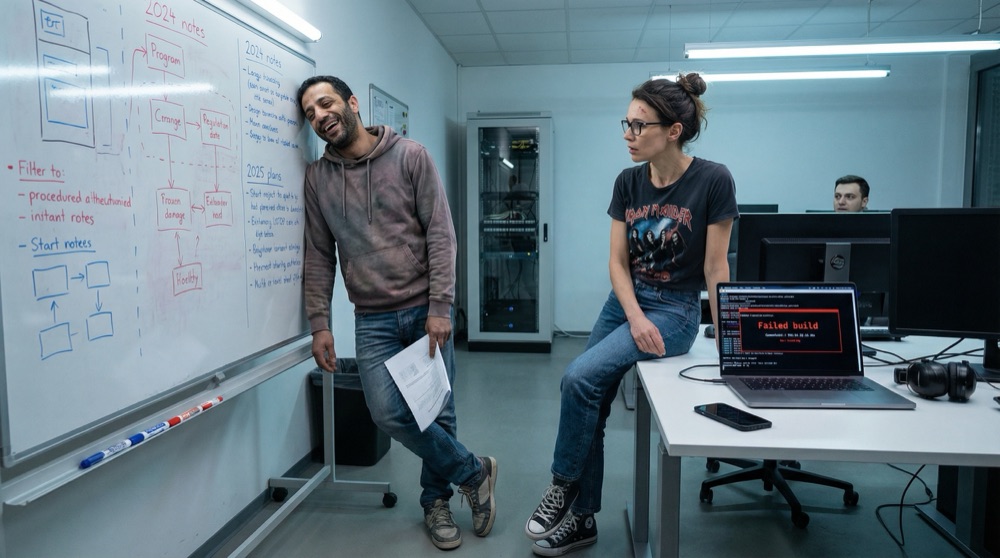
Hassan read the report standing against a whiteboard covered in two years of architecture that never got built. Red marker ghosts from 2024. Blue marker hope from 2025. Both fading under fluorescent hum.
He read like a teacher checking a list of his failures.
Then he hit the line: single point of failure.
He laughed. Sharp. The air conditioning vent rattled above them. Someone three rows away turned, looked, turned back.
Not happy. Not amused. Just tired, cracked, finally seeing himself reflected back.
“So it’s official,” Hassan said. “I’m the bottleneck.”
Katja leaned against his desk. It was clean. Suspiciously clean. Like someone who needed order because the chaos was all inside the terminal. “You were the bottleneck last month too. We just kept pretending it was a ‘communication issue.’”
Hassan held up the pages. Too white against his faded hoodie. “This is what you wanted? Proof?”
“I wanted visibility,” Katja said. “Proof came with it.”
Hassan’s eyes went distant.
The screensaver on his second monitor flickered. A terminal window full of red text. Failed build. Retry in 30s.
“Do you know what people do when they think you’re a tool?” he asked.
Katja didn’t answer. She watched the retry count tick up. 28… 29… 30…
Hassan answered anyway.
“They throw work at you. They don’t plan. They don’t ask. They just assume you’ll catch it.”
His phone buzzed.
It vibrated against the hard veneer of the desk. Violent. Needing attention.
He glanced.
Another ping.
 Lars Pedersen Hey, quick question…
He didn’t even read it.
He set the phone face down. The silence that followed felt heavy.
“I need one thing,” Hassan said.
Katja braced. The hum of the server rack in the corner seemed to get louder.
“Two hours a day,” he said. “Protected. No meetings. No emergencies unless the building is on fire. Two hours where I automate the pipeline. Every day. For the next month.”
Katja nodded slowly.
She looked at the whiteboard again. At the faded blue lines that could have been a pipeline if they’d ever given him time.
“That’s reasonable.”
Hassan’s mouth twisted. Not a smile. Just the gap between a promise and a paycheck.
“Reasonable doesn’t matter. Lukas has to allow it.”
Katja tapped the report.
“He’s reading. For real this time.”
Hassan stared at her.
“If he takes this away,” he said, voice low, “I’m done. I’m not dying for someone else’s urgency addiction.”
Katja’s stomach tightened.
“Noted,” she said.
Hassan turned back to his terminal.
Then, almost as an afterthought: “Tell Mariana she wrote a good log. The one about reaction time. That’s real.”
Katja blinked.
Hassan didn’t look up.
He just started typing.
14:26 — Leadership Sync

The conference room was too small for twelve egos. Glass walls on three sides. Visible to the whole studio. A fishbowl where the fish were usually trying to eat each other.
Katja brought printed copies again.
Because the first time had worked.
Because you can’t alt-tab away from paper. You can’t minimize it. It sits there, physical and accusing on the table.
The department leads stared at the pages like they were poison. Half-read. Flipped over. Pushed away as if the data might stain their sleeves.
Lars was the first to speak. He looked perfect, of course. Black t-shirt, expensive watch, hair that had never known a bad day. He tapped the paper with a manicured fingernail.
“This is based on three people,” he said, and his voice had that designer purity to it. Smooth. Reasonable. Condescending. “It’s not representative.”
Priya, sitting two seats down, didn’t even look up from her laptop. She was typing. Furious, rhythmic clicks.
“Then log,” she said. “Make it representative.”
Carmen smiled without warmth. It was a smile that showed teeth but no eyes. “He doesn’t log. He performs.”
Lars’s eyes flashed. “Excuse me?”
Carmen’s Spanish came out sharp. Like a knife hitting a plate. “No te hagas el inocente.”
Lukas held up a hand. Palm open. Stop.
“Enough,” he said.
He didn’t shout. That changed the room. Usually there was shouting. Usually this meeting ran loud and went nowhere. The silence that followed hung heavy.
Claudia flipped through the pages, frowning. Her bracelet chimed against the table surface. Ting. Ting.
“‘Meeting time displacing build time’,” she read aloud. “Is this… a dig at us?”
Katja didn’t blink. She sat very still. Hands folded on her own copy of the truth.
“It’s an observation,” she said. “If you feel attacked, maybe ask why.”
Daniel cleared his throat. He looked uncomfortable. He usually looked uncomfortable, but today he looked like he might actually speak.
“The QA bypass mention,” he said quietly. “That’s real. It keeps happening.”
Elif leaned forward. She smelled like cigarettes and stress. “And the deployment friction is real. Players don’t care that we’re ‘almost ready.’ They just see broken events.”
The door opened. Tomasz arrived late.
Hair uncombed. Eyes red. Wearing the same hoodie from yesterday. He smelled like stale Club-Mate and the inside of a server room.
He dropped into a chair and stared at the report. He didn’t touch it. He just looked at the headline.
“Finally,” he muttered.
Lukas looked at him. “Finally what?”
Tomasz tapped the page with a shaking finger. Not from fear. From caffeine.
“Finally a thing that doesn’t care about our politics,” he said. “It’s the same blockers every day. It’s not a story. It’s a loop.”
Lars scoffed. He leaned back, putting distance between himself and the unwashed developer. “Or it’s just Development complaining.”
Mariana wasn’t in this meeting, but her words showed up anyway.
Katja pointed to the section where her log had been quoted. Text on paper. Indisputable.
Running on five hours of sleep. Reaction time is shit.
Carmen exhaled hard. She looked at Lars. Then she looked at Tomasz.
“That’s not complaining,” she said. “That’s a warning.”
The room went quiet. The hum of the air conditioning seemed to get louder. Someone’s phone buzzed on the table. Ignored.
Lukas held the report in both hands. Weighty.
He looked around the table. Face to face. Eye to eye.
“For two years,” he said, “I’ve been asking you for status.”
No one moved. Even Lars stayed still.
“And you’ve been giving me performance,” Lukas continued. “And I rewarded the best performers.”
Katja watched Lars stiffen. His perfection cracked just a little.
Claudia’s mouth tightened.
Lukas looked down at the report again.
“This is ugly,” he said. “But it’s honest. And I want more of it.”
Lars opened his mouth. Reflexive defense.
Lukas didn’t let him. He slammed the paper down. Not hard. Just final.
“Department leads log daily,” Lukas said. “Mandatory. Thirty seconds. If you can’t do thirty seconds, you’re not leading anything.”
Chairs shifted. Sharp inhales. The sound of comfort dying.
Good. Let them be offended.
Katja felt it. Momentum.
Not comfort. Terrifying, actually. But movement.
Movement was enough.
Thursday, 19:12 — Katja’s Apartment
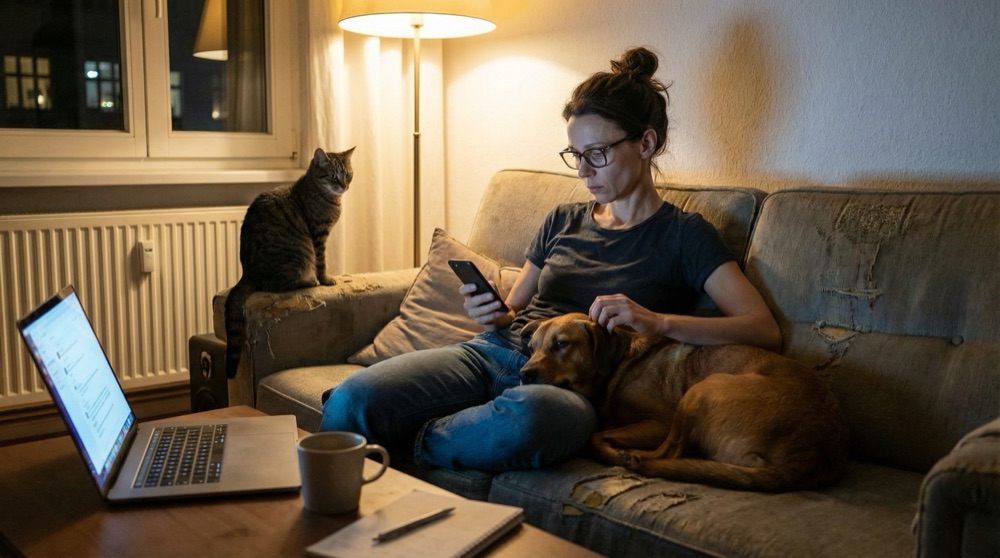
Katja sat on her couch with Turing pressed into her side and Lovelace judging from the armrest.
The apartment smelled like cold coffee and burnout. No smoke. No broken glass. No headline. Just yesterday’s mug on the counter. A hoodie on the chair because folding it required energy she didn’t have. The faint, stale heat of a laptop that spent too many evenings being her second office.
Outside, the city kept doing what it always did. Trams whining at corners. Somebody’s bass leaking through a wall like a bad neighbor and a worse DJ.
Katja let her head sink back for three seconds.
Three seconds was what leadership thought “logging” should cost. Thirty seconds, if they felt generous.
She scratched Turing behind the ears and felt the soft, insistent pressure of him pushing back. Warm. Real. Unimpressed by org charts.
Lovelace blinked slowly, the way cats do when they think you’re being ridiculous.
Fair.
The meeting still sat in her chest. The offended sounds. The chairs. The moment Lukas stopped performing and watched people flinch.
Momentum. Terrifying.
The kind that only happens when someone stops performing and starts deciding.
She opened Navigator.
The second synthesis was already forming.
Same signals. Same blockers. Same story, louder.
The difference was subtle.
More voices.
More overlap.
More repetition.
The same signals, louder.
She scrolled with one thumb, slow enough to pretend she was calm. She wasn’t.
Hassan as bottleneck.
Waiting.
Manual deploy.
Requirements churn.
And now a new one.
Hiring / onboarding risk.
Ten new developers.
It sounded like relief in a board deck. It sounded like load in real life.
Katja could already see it. The first week: cheerful introductions, passwords that didn’t work, access requests nobody answered because “the process,” and Hassan being dragged into every tiny thing because he was the only one who could unblock anything.
The second week: frustration. The third: resignation.
And all the while, the leaders congratulating themselves for “moving fast.”
Katja’s phone buzzed.
Turing’s ears twitched. Lovelace didn’t move, which was somehow worse.
Slack.
A message from Lukas.
 Lukas Weber New hires start Monday. I want Hassan protected time. I want an onboarding plan. I want you in the board call at 09:00. Don't let me bullshit. Bring the report.
Katja stared at the message.
Protected time.
He’d actually written it. Not “we should take care of him.” Not “we’ll figure something out.”
Words that could be measured. Words that could survive a calendar.
She felt her stomach drop.
Board call. Now.
Not next quarter. Not after the dust settled.
Fuck.
Board calls don’t want nuance. They want certainty. They want hiring to be a magic spell and execution to be a personality trait.
Navigator didn’t offer magic. It offered evidence.
Evidence tended to make powerful people angry.
She opened her notebook.
The pen hovered.
For a second she wanted to write something polite. Something safe. Something that would keep her employed.
Then she remembered the sound of comfort dying.
Good.
Wrote one line.
If he wants the truth, give him the truth.
Then she opened a new log entry.
And typed.
- Lukas finally read the synthesis.
- He mandated dept lead logging.
- Board call Monday.
- Ten new developers arrive whether we’re ready or not.
- This is the part where the system either changes, or it breaks us.
She hit send.
Turing purred.
Lovelace blinked slow, unimpressed.
Katja leaned back.
For the first time in a long time, she wasn’t guessing.
She was watching.
And that made the fear sharper.
Because now she could see what was coming.
🎭 This Week's Episodes
Telenovelas show what we can't say in client meetings. The drama is heightened, but the patterns are real.
 Three Ways to Understand a Country
Stefan drives Sophie to the Pacific for two days. The beach is big enough to make her feel appropriately small. Back at the finca the rain keeps th...
 The Resignations
Nathan Cole resigns on a Monday morning with two sentences and no argument left in his body. By Tuesday his desk is empty and the company's institu...
Technical Consultancy
Embedded Delivery Partner
Embedded into your team as an active contributor, reducing delivery friction and helping important work move cleanly.
Technical Advisor
Peer-style technical assessments before far-reaching decisions; reduce architectural and product risk early.
Product & Delivery
Ship working software to real users earlier. Measure impact and adapt based on evidence rather than assumption.
Custom Software Development
High quality, maintainable software. Short-term augmentation that leaves lasting capability in your own team.
Recent Articles
- When Everything Is Finally Under Control (28.09.2026)
- AI Makes Technical Execution Cheap. Judgment Stays Scarce. (24.09.2026)
- The LLM Will Not Come Back Tomorrow (19.09.2026)
- The One-Person AI Company Is a Greed Fantasy (15.09.2026)
- Test Production Without Leaving a Mess (10.09.2026)