El Regreso
Valentina Reyes returns to Mexico after five years at MIT and working in Boston. Her mother's terminal cancer diagnosis brought her home. Don Rodrigo Mendoza welcomes her to LogiMex Systems — he knew her father, who died working at his trucking company years ago. But the AS/400 system is failing, customers are threatening to leave, and nephew Patricio announces he's bringing in Stefan Richter, a German Developer Advocate. As Valentina finds veteran developer Héctor breaking down in the server room, crying over the system he built with his bare hands, she makes a promise: together, they'll save it. Meanwhile, Diego Ramírez sees Valentina for the first time in years — and his hands shake.
Rain Over Mexico City
Rain hammered the windows of the taxi as it crawled through evening traffic on the Periférico. Valentina Reyes pressed her forehead against the cool glass, watching water stream down in rivulets that distorted the city lights into abstract patterns.
Five years. Five years since she’d left this city, this traffic, this overwhelming density of humanity and noise and life. MIT had been clean, orderly, predictable. Boston winters had been brutal, but at least they made sense.
Mexico City made no sense. It never had. That’s why she’d loved it.
“Primera vez en la ciudad, señorita?” the driver asked, catching her eye in the rearview mirror.
“No,” Valentina said softly. “I grew up here. Iztapalapa.”
His eyebrows rose slightly — she’d seen that reaction before. MIT credentials, professional clothes, English-accented Spanish. Nobody expected Iztapalapa.
Her phone buzzed. Her mother.
¿Ya llegaste, mija?
Valentina’s stomach clenched like someone had reached in and squeezed. Her thumb hovered over the keyboard, trembling. How do you tell your dying mother you’re not ready? That you left five years ago because you couldn’t bear to watch this city break her father, and now you’re coming back to watch it take her too?
Almost there, mamá. Rest. I’ll come see you tomorrow.
She sent it before she could overthink. Before the guilt could paralyze her again.
The taxi pulled up in front of a modern glass building in Santa Fe. LogiMex Systems. Third floor. She’d memorized the address from Don Rodrigo’s email.
Valentina, your father was like a brother to me. When I heard you were coming home, I knew — you belong here. We need you.
She paid the driver, grabbed her laptop bag, and stood in the rain for a moment, looking up at the building.
Her mother’s voice echoed in her memory, from years ago, before the diagnosis, when she’d first gotten the MIT scholarship: “Mija, you show them what we’re made of. You show them.”
Valentina squared her shoulders and walked into the lobby.

El Patriarca
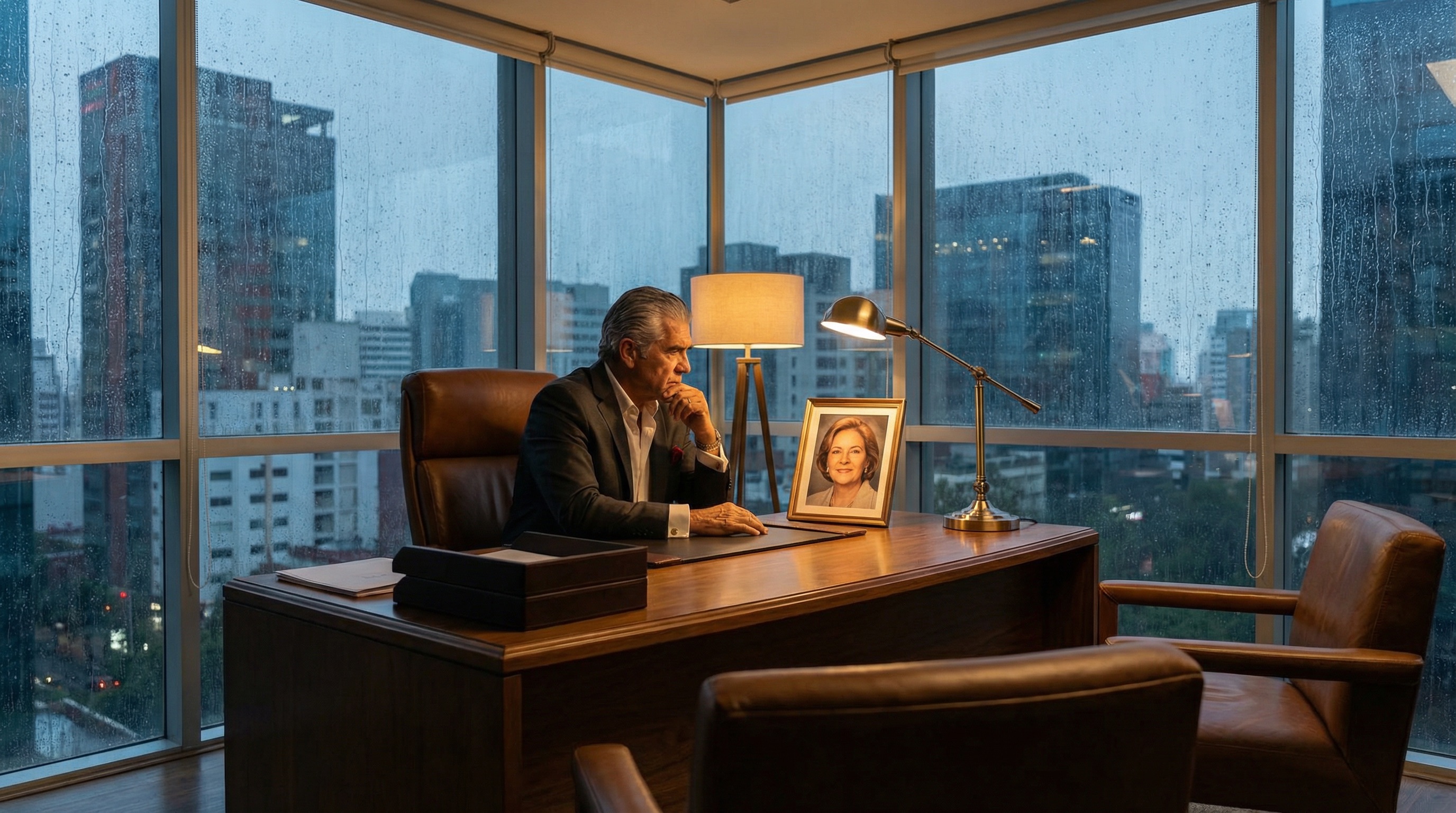
Don Rodrigo Mendoza’s office occupied the corner of the third floor, with floor-to-ceiling windows overlooking the city. The rain had intensified, turning the view into a watercolor of lights and motion.
He stood when Valentina entered, and for a moment she saw her father in his face — the same weathered dignity, the same hands that had built something from nothing.
“Valentina.” His voice was warm, tinged with emotion. “Look at you. Your father would be so proud.”
He came around the desk and embraced her, not the polite handshake of a CEO meeting a new hire, but the hug of a man who’d carried guilt for fifteen years.
“Thank you for the opportunity, Don Rodrigo,” Valentina said, stepping back, professional armor in place.
“No,” he said firmly. “Thank you for coming back. Sit, please.”
She settled into the leather chair across from his desk. Rain drummed against the windows.
“Your mother,” he said quietly. “How is she?”
“Brave,” Valentina answered, the word catching slightly. “Too brave.”
Don Rodrigo nodded, understanding more than she’d said. He reached for a photograph on his desk — a woman with kind eyes, laughing at some long-ago moment.
“My Esperanza. Six years now.” He set it down gently. “The grief doesn’t get smaller. You just grow bigger around it.”
Valentina felt tears threatening and forced them back. She wasn’t here to cry. She was here to code.
“Tell me about the system,” she said, changing the subject with mechanical precision.
Don Rodrigo’s face shifted into business mode. “Twenty-five years old. AS/400. Héctor Villanueva — you’ll meet him tomorrow — built it practically by himself. It runs logistics for 200 companies across Mexico, Colombia, Peru, the United States.”
“And now?”
“And now it’s dying.” He turned his monitor toward her, showing a spreadsheet. Red everywhere. “Three major clients gave notice last month. Cloud competitors are eating our lunch. We need to modernize. SaaS. APIs. All the things I don’t fully understand but know we need.”
Valentina leaned forward, scanning the numbers. “This is salvageable. The business logic — if it’s been running for 25 years, it’s solid. We refactor, we containerize, we—”
“Valentina.” Don Rodrigo held up a hand, smiling. “I hired you because I believe you. But there’s something you need to understand. This isn’t just code. It’s people. Héctor built this system. Mando, Rafa — they’ve given their lives to it. They’re terrified.”
“Terrified of what?”
“Of being obsolete. Of being replaced. Of watching everything they built get thrown away by kids with MIT degrees.”
The words landed like a punch. Valentina sat back.
“I would never—”
“I know,” Don Rodrigo said gently. “But they don’t. Not yet.” He stood, walking to the window. “My nephew Patricio — you’ll meet him Monday — he has a different approach. He’s bringing in a consultant. A German. Stefan Richter. Developer Advocate, whatever that means.”
“I know what it means,” Valentina said. “It means someone who writes production code embedded in teams. Someone who understands the reality, not just the theory.”
Don Rodrigo turned, surprised. “You approve?”
“Depends on the person. But the role? Yes. We’ll need someone who can bridge the gap. Between the veterans and the new architecture. Between the technology and the business.”
“Good.” Don Rodrigo returned to his desk. “Because you’ll be working closely with him. Patricio announces the hire at tomorrow’s all-hands meeting.”
Valentina nodded. Rain continued its steady rhythm against the glass.
“One more thing,” Don Rodrigo said, his voice dropping. “Your father. What happened at TransMex. If you ever want to talk about it—”
“I don’t,” Valentina said quickly. Too quickly.
Don Rodrigo studied her face, then nodded slowly. “The offer stands. Always.”
The Server Room
After the meeting, Valentina wandered the office. Most people had gone home — it was past 8 PM — but she wasn’t ready to face her empty apartment yet. The one she’d rented sight-unseen, furnished in that anonymous way that said “temporary.”
She found the server room by accident, following the sound of humming machines down a back corridor.
The door was ajar.
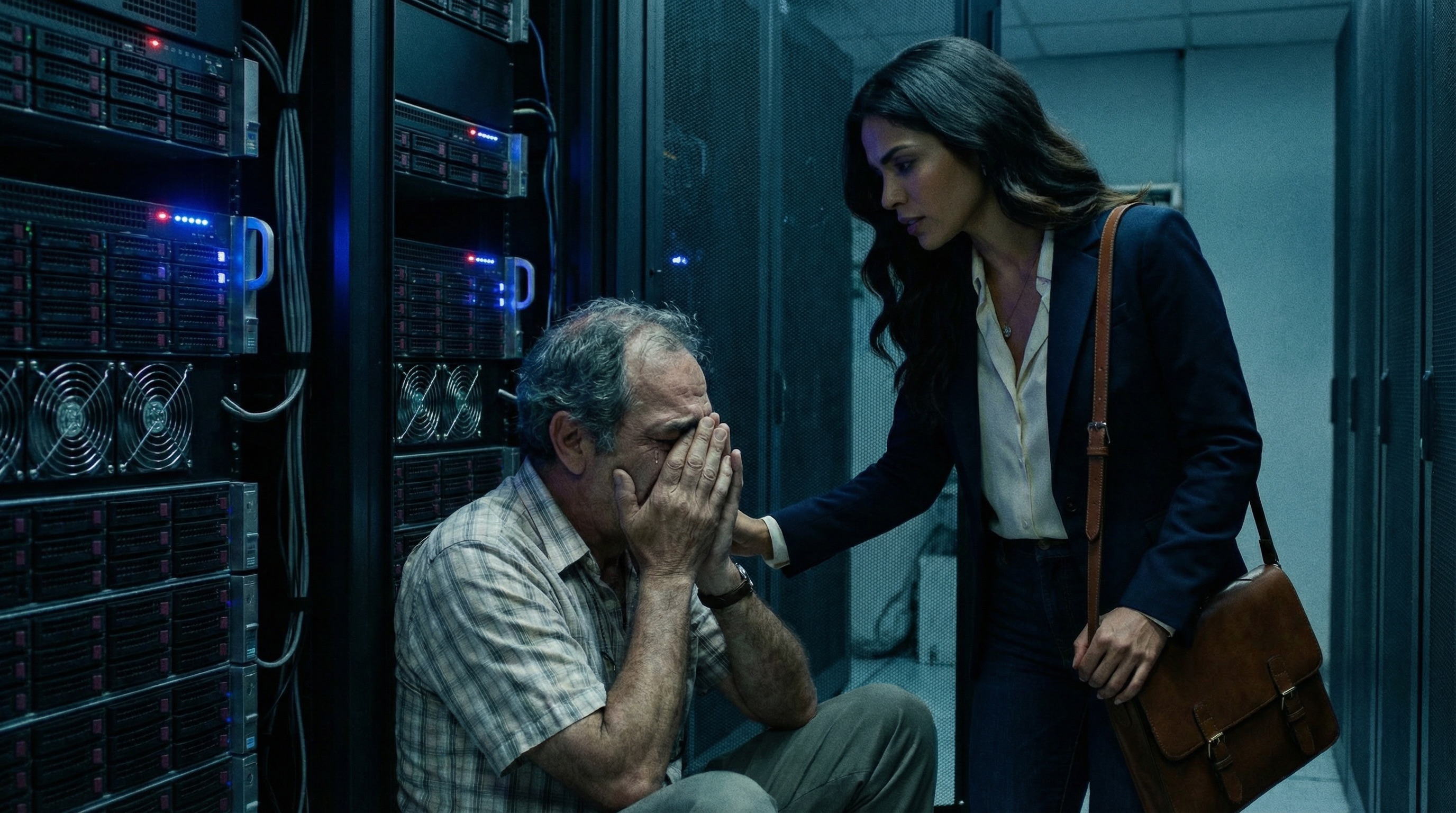
Inside, a man sat on the floor, his back against an AS/400 rack, shoulders heaving with the ugly, gasping sobs of someone who had forgotten how to cry gracefully. Snot ran down his face. His body convulsed with each breath like something inside him was tearing loose — twenty-five years of repressed grief finally finding its way out through every pore.
Valentina’s stomach clenched so hard she nearly doubled over. She should leave. Give him privacy. But something about the absolute brokenness in his posture — the way he’d folded into himself like a man whose skeleton had finally given up, like a father burying his own child — made her step inside instead.
“Are you okay?”
The man’s head snapped up. He was in his fifties, graying hair wild and uncombed, face a mess of tears and snot and raw devastation, eyes so bloodshot they looked like open wounds. He scrambled to his feet, mortified, scrubbing at his face with hands that shook so violently he could barely control them.
“Chingada madre — who the hell are you?”
“Valentina Reyes. I start Monday. I’m sorry, I didn’t mean to—”
“Reyes?” His voice cracked like glass. “Antonio’s daughter?”
She nodded, surprised he knew.
“Héctor Villanueva.” He extended a hand, then realized it was trembling so badly he couldn’t control it and lowered it, humiliated. “Your father… he was a good man. I’m sorry.”
“Thank you.”
An awkward silence settled between them. The servers hummed their electronic lullaby.
“Were you… are you okay?” Valentina asked again, gentler this time.
Héctor laughed — a raw, ugly sound that scraped out of his throat. “No. No, I’m not fucking okay.” He gestured wildly at the machines surrounding them. “I built this. Twenty-five years. My blood. My marriage. My goddamn life. My wife used to say I loved these machines more than I loved her.” His voice shattered. “And you know what? Maybe she was right. Because now she’s gone and I’m still here, crying in a server room like a pathetic old man while they bring in consultants and kids with fancy degrees to tell me everything I created is garbage.”
“It’s not garbage,” Valentina said immediately. “If it’s run 200 companies for 25 years, it’s brilliant.”
“Is it?” Héctor’s face contorted with something between rage and despair. “Then why is everyone leaving? Why does Patricio look at me like I’m a dinosaur waiting to die? Like I’m already dead and just too stupid to lie down?” His voice cracked on the last words, and something in his chest seemed to collapse. “God, I’m so tired. I’m so goddamn tired of fighting.”
Valentina’s heart twisted. She stepped closer. “Because the world changed around it. That’s not your fault. That’s just… time.”
“Easy for you to say.” He wiped his nose with the back of his hand, dignity abandoned. “You’re what, thirty? You have time. I’m fifty-two years old. Fifty-two. Who the fuck is going to hire a fifty-two-year-old AS/400 developer? I can’t even get an interview. I tried. Three months ago, when I saw where this was heading. Not one callback. Not one.”
“LogiMex is,” Valentina said firmly. “We’re not throwing this away, Héctor. We’re transforming it. And I need you to help me.”
He looked at her, disbelieving. “You need me?”
“Nobody knows this business logic like you do. Nobody knows where the bodies are buried, where the edge cases are, where the genius is hiding in the code. I can write Python and TypeScript all day long, but I don’t know this. You do.”
Tears welled in his eyes again. “I haven’t written anything but RPG in twenty years.”
“So we’ll learn together.” Valentina smiled. “I’ll teach you Docker. You teach me why this works. Deal?”
Héctor stared at her for a long moment. Then, slowly, he nodded.
“Deal.”
They shook hands in the server room, surrounded by the humming machines that held 25 years of someone’s life.
Outside, the rain finally began to ease.
The One Who Waited
Monday morning arrived with brutal sunshine. Valentina dressed carefully — professional but not corporate, approachable but not informal. The balance mattered.
The all-hands meeting was scheduled for 10 AM in the main conference room. She arrived early and found a seat near the back, observing.
The veterans clustered together — Héctor, another older man with weary eyes who must be Mando, a third who radiated bitterness. The new generation sat scattered — a stylish woman who screamed money, a charming guy who screamed trouble, a quiet young woman with kind eyes.
And then there was Diego.
She knew him instantly, even though he’d changed. Filled out. Grown into his height. The skinny kid from the neighborhood who used to fix computers for beer money was now a confident man in a flannel shirt and well-fitted jeans.
He was staring at her.
Their eyes met across the room. His heart stopped. Literally — a skipped beat, a void in his chest that left him gasping. His face registered shock, recognition, and something raw and desperate — something that looked like five years of sleepless nights and unanswered prayers crashing into him all at once.
She smiled slightly. Gave a small wave.
His hands stopped working. The coffee slipped from his suddenly nerveless fingers.
The cup shattered on the floor, spraying dark liquid across the tile like a crime scene. Every head in the room turned. Diego’s face went from pale to crimson in the space of a heartbeat, his stomach dropping through the floor, his whole body frozen in that particular mortification of a man whose cool had just exploded all over his shoes.
“Shit. Fuck. Mierda. I’m… sorry. I’m sorry.” His hands were shaking as he dropped to his knees, desperately mopping at the mess with napkins that disintegrated on contact.
His voice cracked on the apology, and Valentina felt something twist in her chest. Five years, and he still couldn’t hide anything from her.
The kind-eyed woman — Mari, she’d introduce herself later — rushed to help him clean up. Diego kept glancing at Valentina, then away, then back, like he couldn’t quite believe she was real.
Valentina felt her own heart racing. They’d been friends, once. Before MIT. Before she’d left everything behind.
Before she’d left everyone behind.
The door opened and Patricio Mendoza strode in. Designer suit, expensive watch, hair gelled to perfection. He carried himself like someone desperate to be taken seriously.
“Good morning, everyone.” His voice was practiced, MBA-polished. “Thank you for being here. As you know, we’re facing challenges. Major challenges. But challenges create opportunities.”
He clicked a remote. A slide appeared: “LogiMex 2.0: World-Class Transformation.”
Valentina resisted the urge to roll her eyes.
“I’m pleased to announce,” Patricio continued, “that we’ve secured the services of Stefan Richter, a Developer Advocate from Germany with extensive experience in legacy system modernization. He’ll be joining us next week to lead our technical transformation.”
Murmurs rippled through the room. Héctor’s jaw tightened.
“Additionally,” Patricio said, smiling in Valentina’s direction, “we’re bringing on new talent. Valentina Reyes, MIT graduate with five years experience at Nexus Logistics Technologies in Boston. She’ll be our lead on the SaaS refactoring.”
All eyes turned to her. She nodded, professional smile in place.
Diego was still staring.
After the meeting ended, Valentina found herself surrounded by introductions. Mari — warm and welcoming. Camila — assessing her with shrewd eyes. Sebastián — charming but hollow. Mando — kind but cautious. Rafa — openly hostile.
And then Diego appeared at her elbow, hovering, nervous.
“Vale,” he said quietly. “It’s really you.”
“It’s really me, Diego.”
“I… when did you… I didn’t know you were coming back.”
“Neither did I, really. It happened fast.”
He nodded, processing. His hands were in his pockets, shoulders slightly hunched — the defensive posture of someone protecting themselves.
“How’s your mom?” he asked, and the gentleness in his voice hit her like a fist to the sternum, knocking the breath right out of her.
Something cracked in her chest. Tears threatened to spill, and she had to swallow hard, the lump in her throat so tight it hurt.
“Not great,” Valentina managed, her voice barely above a ragged whisper. “That’s why I came back.”
“I’m sorry. She’s… she’s a strong woman. I always liked her.”
“She always liked you too.” Valentina smiled, remembering. “Remember when you fixed her laptop? She made you three meals’ worth of tamales.”
“Best tamales I ever had,” Diego said, and for a moment his whole face lit up.
The moment stretched between them — not awkward exactly, but weighted with five years of silence.
“I should get to work,” Valentina said finally.
“Yeah. Me too.” Diego hesitated. “Maybe we could… get coffee sometime? Catch up?”
“I’d like that.”
He nodded, smile breaking through properly now. “Good. That’s… good.”
He walked away, glancing back once before disappearing around a corner.
Mari materialized at Valentina’s side. “That,” she said knowingly, “is a man who’s been carrying a torch for five years.”
“We’re friends,” Valentina said automatically.
“Mm-hmm,” Mari said, not believing her for a second. “Keep telling yourself that, amiga.”

The German Arrives
The week passed in a blur of onboarding, codebase archaeology, and carefully navigating veteran developer egos. Valentina spent hours with Héctor, learning the intricacies of the RPG code. She spent equal hours with Diego, who walked her through the infrastructure — such as it was.
He’d built what he could on a shoestring budget. Jenkins running on a closet server. Git repos that were more hope than strategy. Deployment scripts held together with duct tape and prayers.
“I know it’s a mess,” Diego said apologetically on Thursday afternoon.
They were in his “DevOps corner” — a desk crammed with monitors in the back of the office.
“It’s not a mess,” Valentina said, studying the Jenkins dashboard. “It’s a miracle. You built this alone?”
“Nobody else cared about automation. They thought I was wasting time.”
“You weren’t.” She pointed at his deployment frequency chart. “Look at this. You’re deploying to test every day. That’s better than half the companies in Silicon Valley.”
Diego blushed. “It’s not that impressive.”
“Yes,” Valentina said, meeting his eyes, “it is.”
The moment hung between them. Diego looked like he wanted to say something, but the words wouldn’t come.
Valentina’s phone buzzed. Don Rodrigo.
Stefan arrives tomorrow. 2 PM. Can you pick him up from the airport? I’d consider it a personal favor.
She texted back agreement and showed Diego the message.
“The German,” Diego said neutrally.
“The Developer Advocate,” Valentina corrected.
“What’s the difference?”
“Hopefully? Everything.”
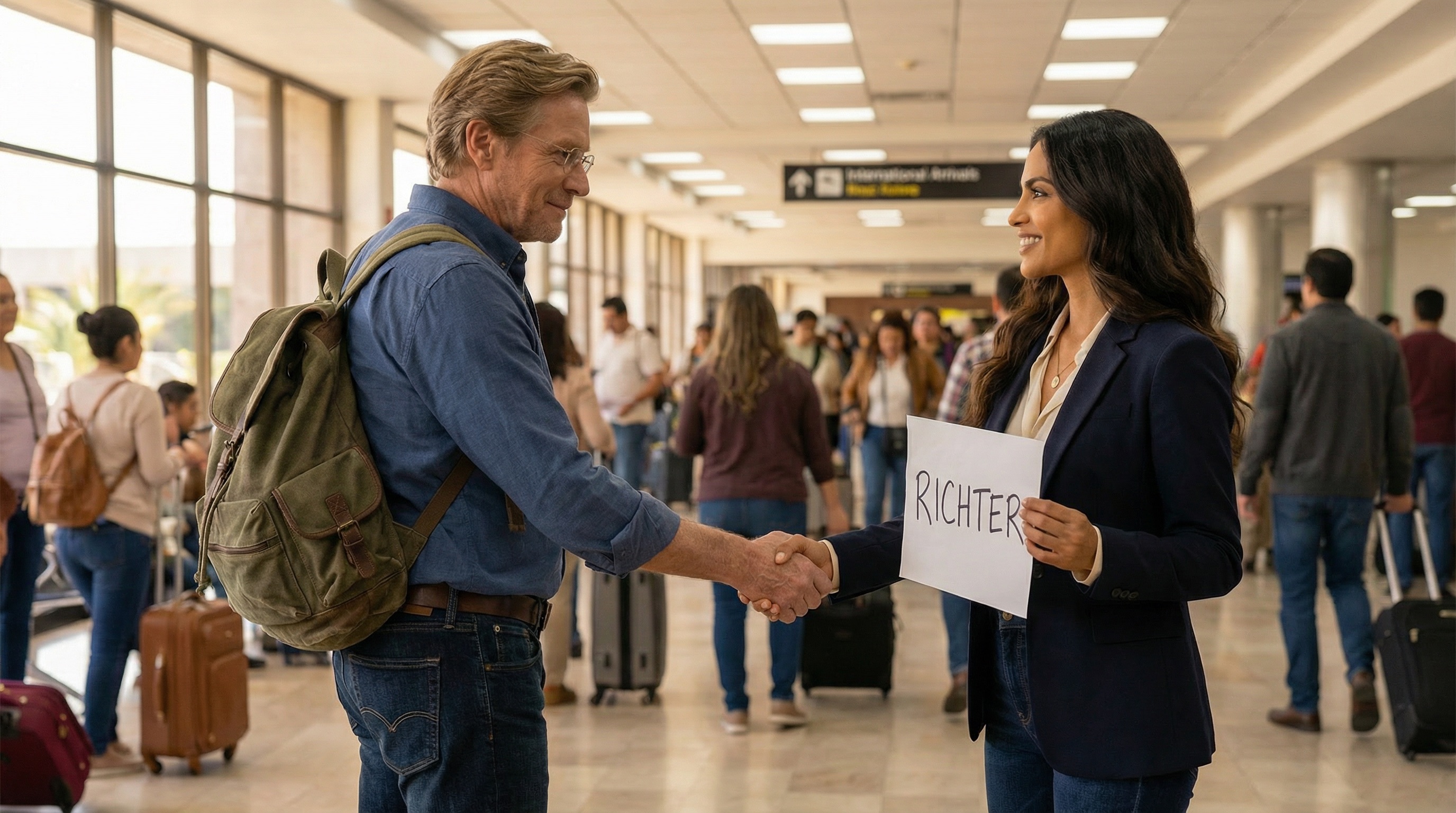
Friday afternoon, Valentina stood in the arrivals area at Benito Juárez International Airport, holding a sign that said “RICHTER.”
The man who emerged from customs didn’t look like a consultant. No expensive suit, no wheeled briefcase, no air of superiority. He wore jeans, a plain blue button-down, and carried a weathered backpack. His hair was graying at the temples, his face lined with experience and something heavier — grief, maybe, or exhaustion.
He saw her sign and walked over.
“Valentina Reyes?” His English carried a slight German accent.
“Stefan Richter. Welcome to Mexico City.”
They shook hands. His grip was firm but not performative.
“Thank you for coming to get me,” he said. “I know you must be busy.”
“Don Rodrigo asked. And I wanted to meet you before Monday’s chaos.”
“Wise.” He followed her toward the parking area. “Tell me truthfully — how bad is the situation?”
Valentina considered sugarcoating it. Decided against it.
“The code is solid but ancient. The infrastructure is held together by one DevOps engineer and divine intervention. The business is bleeding customers. The veterans are terrified. The new hires are arrogant. And Patricio Mendoza has no idea what he’s actually bought when he hired you.”
Stefan stopped walking. Looked at her appraisingly. Then he smiled — the first real smile she’d seen from him.
“Good. Then we have a chance.”
“A chance?”
“If you’d told me everything was fine, I’d know you were lying. Truth is the only starting point worth having.” He resumed walking. “Tell me about the people. Not the code. The people.”
As they drove through Friday afternoon traffic back toward Santa Fe, Valentina told him. About Héctor crying in the server room. About Diego building miracles from nothing. About Mando’s quiet steadiness and Rafa’s bitter brilliance. About Mari’s warmth and Camila’s armor and Sebastián’s charming hollowness.
Stefan listened without interrupting, asking occasional clarifying questions.
When she finished, he was quiet for a long moment.
“You care about them,” he observed.
“They’re people, not resources.”
“Yes,” Stefan said softly. “They are.”
They pulled up to his hotel. Stefan grabbed his backpack, then paused.
“Valentina. Thank you for your honesty. And for caring. This work — transformation — it fails when people treat it like code that happens to involve humans. You understand it’s humans that happen to involve code.”
“I learned that from my father,” Valentina said. “He was a truck driver. Fixed his own rigs. He always said: take care of the people, and the people take care of the machine.”
“Your father was wise.” Stefan stepped out, then leaned back in. “I look forward to working with you. I think we’re going to do good work together.”
He disappeared into the hotel.
Valentina sat in the parking lot for a moment, processing.
Her phone buzzed. Diego.
How’d it go? Is he an asshole consultant or an actual human?
She smiled and texted back: Actual human. I think we got lucky.
Secrets in the Office After Dark
Sunday evening. Valentina sat in her mother’s hospital room, holding her hand while she slept. The monitors beeped their steady rhythm. The IV dripped. Time moved differently here.
Her mother’s eyes fluttered open.
“Mija. You’re still here.”
“Where else would I be?”
“Living your life.” Her mother squeezed her hand weakly. “How is the new job?”
“Good. Challenging. I met a man who knew papá. Don Rodrigo Mendoza.”
Her mother’s expression shifted slightly. Something Valentina couldn’t read.
“Don Rodrigo is a good man,” she said carefully.
“He speaks highly of papá.”
“Your father…” Her mother’s voice caught. “Your father was the best man I ever knew. Remember that, Valentina. Whatever anyone tells you. He was good.”
“Mamá, what—”
“Promise me.” Her grip tightened with surprising strength. “Promise me you’ll remember that.”
“I promise.”
Her mother relaxed back into the pillows, eyes drifting closed again. “Good. That’s good, mija.”
Valentina sat there long after her mother fell back asleep, wondering what secrets lived in those words.
Monday morning. Stefan’s first day.
The conference room was packed. Patricio stood at the front, beaming with self-satisfaction. Don Rodrigo sat at the table’s head, watching everything with those penetrating patriarch eyes.
Stefan entered simply. No fanfare. He shook hands with Don Rodrigo, nodded at Patricio, then turned to face the room.
“Good morning. I’m Stefan Richter. I’m here to help. Not to tell you what to do. Not to impose some framework. Not to replace anyone. To help.”
He let that sink in.
“I’ve spent the weekend reviewing your code. I’ve read Héctor’s architecture documentation — brilliant work, by the way.” He nodded at Héctor, who looked stunned. “I’ve looked at Diego’s deployment pipeline. I’ve studied your customer complaints and feature requests.”
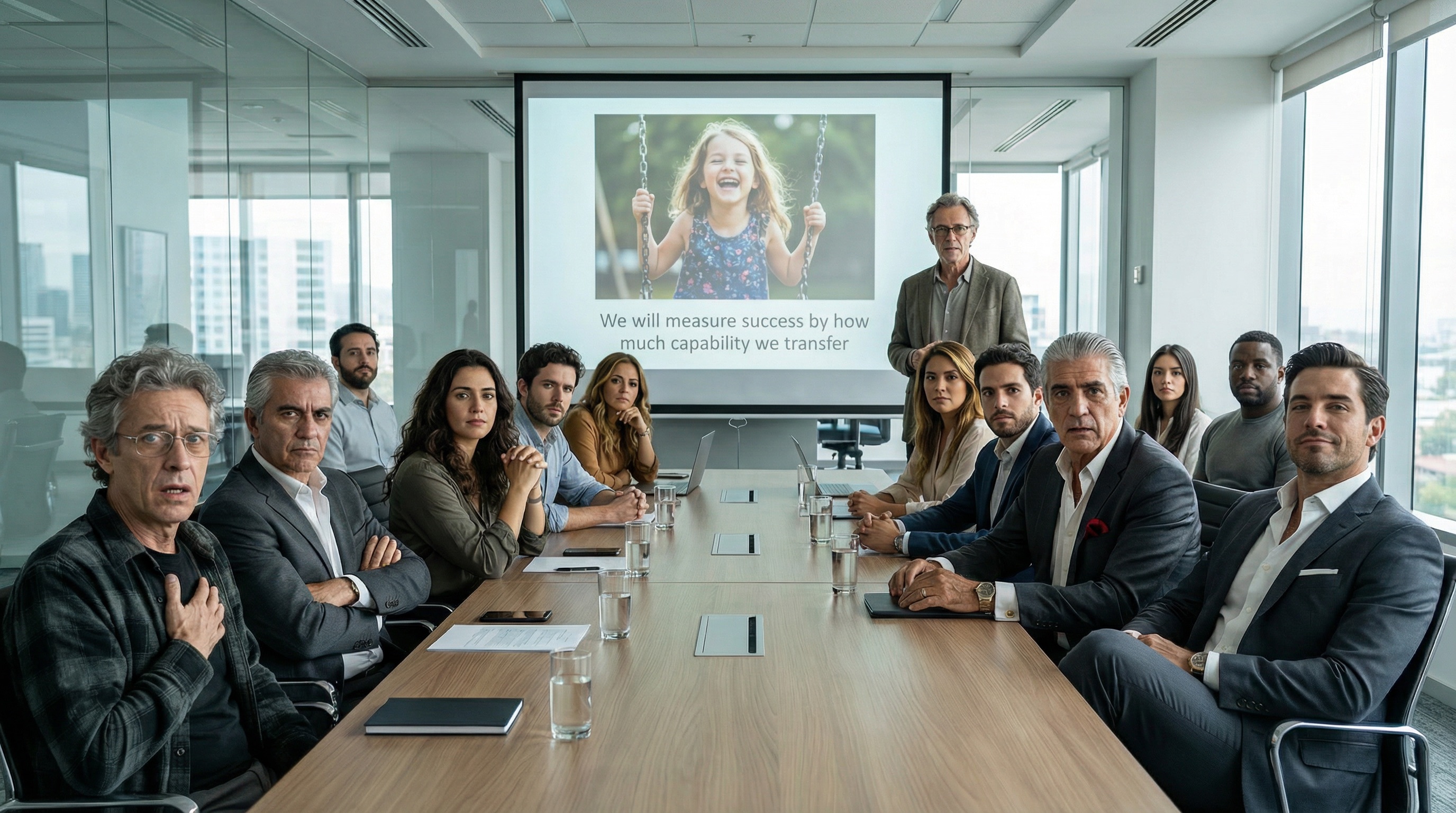
Stefan pulled up a slide. It showed a single sentence:
“We will measure success by how much capability we transfer, not how much we do ourselves.”
“This is my only goal,” Stefan said. “When I leave Mexico City, you should be able to continue this work without me. If you can’t, I’ve failed.”
Silence in the room. This was not what they’d expected.
Rafa broke it. “Pretty words, German. But I’ve seen consultants before. You all say this. Then you charge a fortune, document nothing, and leave us with a mess.”
Stefan looked at him directly. “You’re right to be skeptical. Consultants have earned that reputation. So here’s what I propose: I will write production code alongside you. Every line I write, one of you reviews. Every decision I make, we make together. And everything — every pattern, every technique, every tool — I will document and teach.”
“Why?” Rafa challenged. “Why would you train your own replacement?”
“Because I’m not here to build a career,” Stefan said quietly. “I’m here to build capability. The sooner you don’t need me, the sooner I can go home to my daughter.”
He clicked to the next slide. A photo of a young girl, maybe ten years old, laughing on a swing.
“Sophie. She’s in Berlin with her mother. She’s sick. She needs treatments I can’t afford on a German salary. So yes, I’m doing this for money. But I’m good at this because I care about getting home.”
The room shifted. The honesty was disarming.
Héctor spoke up, voice rough. “What do you need from us?”
“Patience,” Stefan said. “Honesty. And trust. In that order.”
After the meeting, as people dispersed, Valentina found herself walking out with Stefan and Diego.
“That was risky,” Valentina said. “Showing them Sophie.”
“Was it?” Stefan glanced at her. “Or was it necessary? They needed to see me as a person, not a consultant.”
“It worked,” Diego said. “Even Rafa looked less murderous by the end.”
“Only less,” Stefan said dryly. “I’m under no illusions. I’ll have to earn every inch of trust.”
They reached the elevators. As the doors opened, Patricio appeared from a side hallway.
“Stefan. A word?”
Stefan nodded to Valentina and Diego. “I’ll catch up with you both later.”
In the elevator, Diego said quietly, “I like him.”
“Me too,” Valentina agreed.
“That thing about his daughter. That’s real pain.”
“Yeah.” Valentina thought of her mother, sleeping in a hospital bed. “It is.”
Diego looked at her. Really looked.
“Vale. If you ever need… I mean, I know about your mom. If you need someone to talk to. Or just… sit with. I’m here.”
“Thank you, Diego.” She reached out, squeezed his arm. “That means a lot.”
The elevator dinged. Doors opened. They stepped out.
Behind them, through the glass walls of a conference room, they could see Patricio talking animatedly at Stefan. Stefan’s face was neutral, giving nothing away.
“I wonder what that’s about,” Valentina murmured.
“Nothing good,” Diego said. “Patricio only gets that intense when he’s trying to control something.”
They were right to worry.
The Call
That evening, Patricio sat in his office long after everyone had gone home. The city lights glittered below. His desk was immaculate — nothing out of place, everything controlled.

He opened his laptop. Navigated to an encrypted email.
Typed: The German is here. Too soft. Too slow. We need results faster. Are you still interested?
The reply came within minutes.
Always interested, Patricio. Send me the details. I’ll be on the next flight.
— Bruno Cavalcanti
Patricio stared at the email for a long moment. Then he clicked send on the invitation.
Behind him, through the window, storm clouds gathered over Mexico City.
🎭 This Week's Episodes
Telenovelas show what we can't say in client meetings. The drama is heightened, but the patterns are real.
 Three Ways to Understand a Country
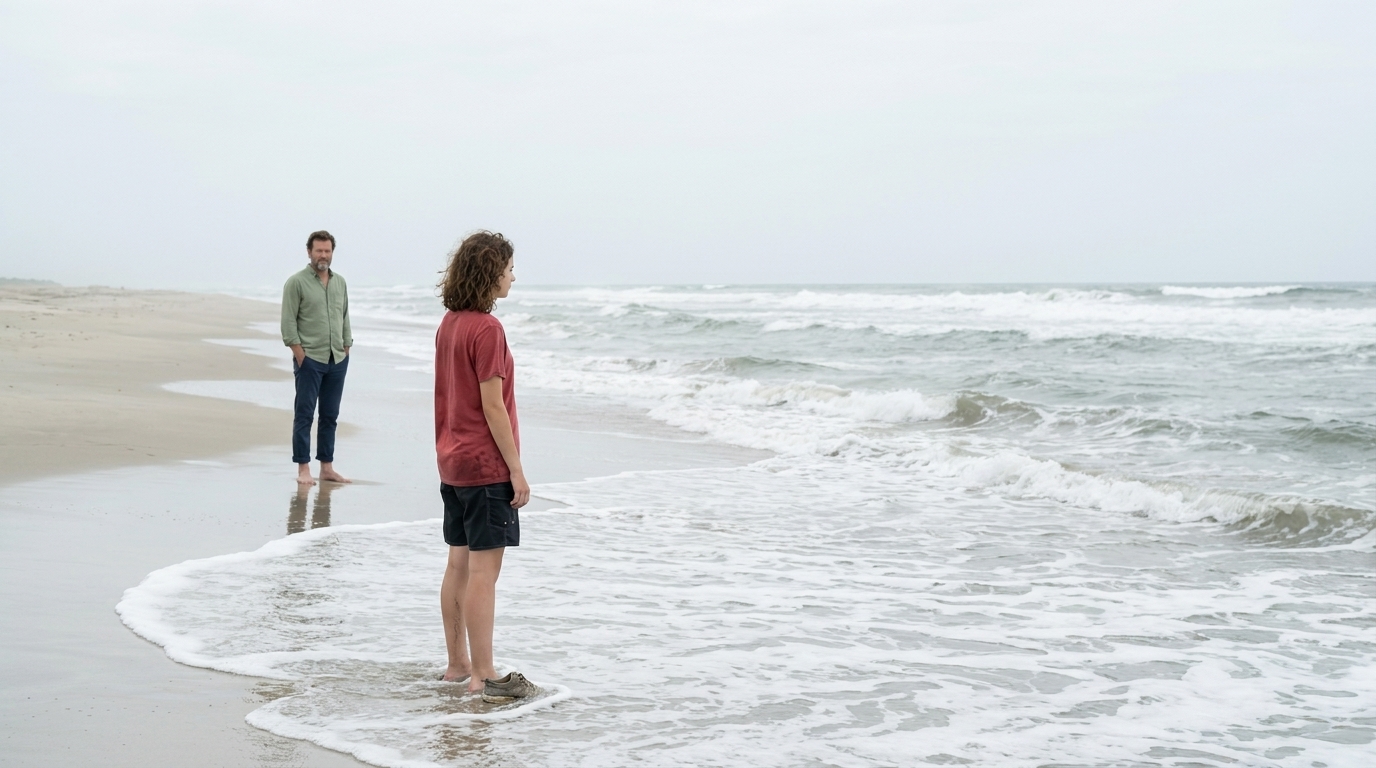
Stefan drives Sophie to the Pacific for two days. The beach is big enough to make her feel appropriately small. Back at the finca the rain keeps th...
 The Resignations
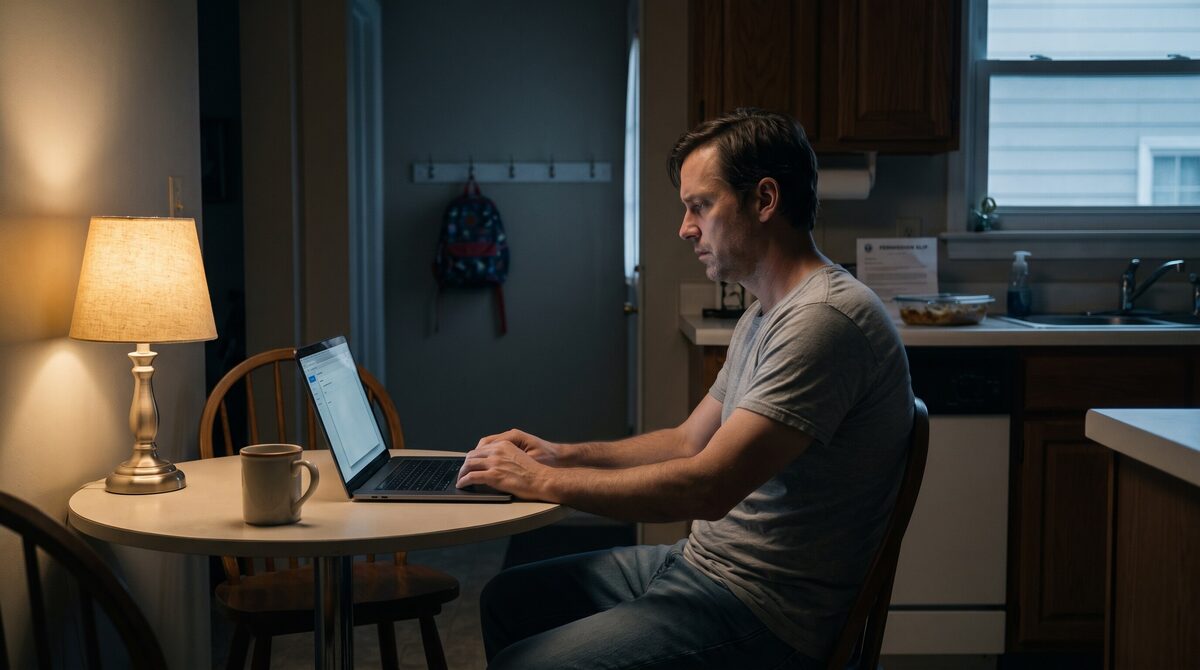
Nathan Cole resigns on a Monday morning with two sentences and no argument left in his body. By Tuesday his desk is empty and the company's institu...
Technical Consultancy
Embedded Delivery Partner
Embedded into your team as an active contributor, reducing delivery friction and helping important work move cleanly.
Technical Advisor
Peer-style technical assessments before far-reaching decisions; reduce architectural and product risk early.
Product & Delivery
Ship working software to real users earlier. Measure impact and adapt based on evidence rather than assumption.
Custom Software Development
High quality, maintainable software. Short-term augmentation that leaves lasting capability in your own team.
Recent Articles
- When Everything Is Finally Under Control (28.09.2026)
- AI Makes Technical Execution Cheap. Judgment Stays Scarce. (24.09.2026)
- The LLM Will Not Come Back Tomorrow (19.09.2026)
- The One-Person AI Company Is a Greed Fantasy (15.09.2026)
- Test Production Without Leaving a Mess (10.09.2026)
Explore More