Process Theater Takes Hold
BergMotor's QA team in Passau reads QuantumMind's integration documentation and asks the question nobody wanted to hear: where is the safety analysis? The navigation team stops shipping and starts writing. Marcus calls it governance. Stefan calls it what it is. And on Friday night, Júlia takes Stefan to a Barra Funda samba house, where he must learn the difference between watching and knowing.
The Email from Passau
[Image: Navigation team’s open workspace, Tuesday morning. Rodrigo at his desk staring at his monitor, face pale. Two navigation developers behind him looking over his shoulder. Stefan approaching from across the floor with a coffee cup. Rodrigo: blue Corinthians jersey over a plain t-shirt, messy dark hair, unshaven, mid-twenties. Stefan: black t-shirt, jeans, sneakers. Whiteboards behind them covered in CAN bus diagrams and green test markers. Morning sun through floor-to-ceiling windows, Sao Paulo skyline visible.]
The email arrived at 08:47 Sao Paulo time, which was 12:47 in Passau, which meant the German QA team had spent their entire morning composing it.
Rodrigo Andrade, twenty-eight, navigation team lead, read it three times. His face went through the stages of comprehension the way a test goes through failure: red, redder, error.
He found Stefan by the coffee machine.
“We have a problem.”
Stefan looked up from his espresso. Rodrigo’s expression said the problem had nothing to do with code.
The email was from Dieter Wolfram, BergMotor Quality Assurance, Passau division. Subject line: RE: AutoConnect Navigation – Integration Test Strategy Document (Ref: QM-AC-2027-003). Twelve paragraphs. Two attached PDFs. The tone was polite the way a surgical instrument is polite: precise, clean, designed to cut.
Stefan read it standing by the window, coffee going cold in his hand.
Dear AutoConnect Navigation Team,
Thank you for the integration test strategy document forwarded by QuantumMind Solutions. We have reviewed the CAN bus integration references with interest.
Before any navigation component can proceed toward manufacturing approval, we require the following documentation:
- Safety analysis for temperature sensor integration (ISO 26262 reference)
- Hazard assessment covering all CAN bus signal paths
- Failure Mode and Effects Analysis (FMEA) for the navigation-to-vehicle communication layer
- Formal verification methodology documentation
Please note that no flash to production-candidate hardware may proceed without completed safety documentation reviewed and approved by BergMotor QA.
Stefan set down his coffee.
“When did QuantumMind send the integration test strategy document to Passau?” he asked.
Rodrigo shrugged. “Marcus prepared it last week. Some twelve-page thing about our ‘governance framework.’ I didn’t see it before he sent it.”
Stefan’s jaw tightened. Marcus had taken the navigation team’s working test suite, their CAN bus integration achievements, and repackaged them as a QuantumMind deliverable. Passau read it. Passau saw “CAN bus integration.” Passau did what German QA teams do when they see safety-critical vehicle communication mentioned without formal safety documentation.
They asked questions that would take weeks to answer.
“The navigation component already works in the parking lot test vehicles,” Rodrigo said. His voice carried the bewilderment of someone who’d spent the previous week flashing working builds to actual cars. “Temperature sensor data displays correctly. Speed sensor integration passes. We have twelve acceptance tests covering every CAN frame we send and receive.”
“I know,” Stefan said.
“So why do they want a fault tree analysis? We have working software.”
Stefan recognized the gulf. He’d crossed it before, in other countries, but never without cost. To a developer, working software was proof. To a German QA engineer, working software without documentation was an accident that hadn’t killed anyone yet.
“Your tests are the verification,” Stefan said. “But they don’t know that. They see CAN bus integration without ISO 26262 documentation and their training tells them someone is going to die in a car because of it.”
“Nobody’s going to die from a temperature display.”
“You know that. I know that. Dieter Wolfram in Passau knows that. But his signature goes on the approval form. If something goes wrong in a vehicle he approved without formal documentation, his career ends. That’s not policy. That’s survival.”
Rodrigo stared at the email. The radio team across the floor was laughing about something. Someone had brought brigadeiros. The morning sun made everything bright and possible.
His world had been bright and possible twelve minutes ago.
“What do we do?”
Stefan drained the cold coffee. “We write their language. I know what FMEA looks like. I know what fault tree analysis looks like. Your acceptance tests already cover the failure modes. We just need to translate.”
The Bridge That Breaks
[Image: A glass-walled meeting room. Stefan and Rodrigo at a long table covered in printed test output and handwritten failure mode diagrams. A whiteboard behind them: left side labeled “TDD” with test names in green marker, right side labeled “FMEA” with the same concepts rewritten in German QA terminology, arrows mapping between them. Rodrigo: blue Corinthians jersey, tired eyes, marker in hand. Stefan: black t-shirt, sleeves pushed up, laptop open, a thick German engineering reference book on the table. Two other navigation developers visible through the glass, typing at their desks. Afternoon light, coffee cups everywhere.]
They wrote the safety analysis on Wednesday. Eight pages. Stefan translated acceptance tests into formal failure mode tables. Each test became a row: failure mode, effect, severity, detection method, mitigation.
Test: GIVEN navigation displays cabin temperature WHEN CAN frame 0x4A1 not received within 500ms THEN display shows “Sensor Unavailable” and reverts to last confirmed value.
became:
FM-NAV-014: Loss of CAN temperature broadcast from climate ECU. Effect: Driver sees stale or missing temperature value on navigation display. Severity: Low (comfort function, non-safety). Detection: Automated acceptance test FM-NAV-014 executes on every build artifact. Mitigation: UI reverts to last confirmed sensor reading, staleness indicator shown, error condition logged for diagnostics.
Rodrigo watched Stefan do this for three hours.
“It’s the same thing,” Rodrigo said. “You’re just saying the same thing in different words.”
“That’s what translation is.”
“But the test already proves it works.”
“The test proves it to you. The document proves it to Dieter.”
They sent the eight pages to Passau at 16:30 Wednesday. Stefan felt cautiously optimistic. He’d written German engineering documentation before. The format was right, the references were right, the tone was right.
Passau responded at 09:12 Thursday morning. Twenty minutes after their workday began. They’d had their reply template ready.
Forty-seven questions.
Rodrigo scrolled through them on his screen, face emptying the way a building empties during a fire alarm. Slowly at first, then all at once.
Question 14: Where is the fault tree analysis for CAN bus arbitration failure during simultaneous climate and navigation commands?
Question 23: What is the formal verification methodology for the protocol handler state machine? Please reference applicable IEC 61508 clauses.
Question 31: Provide thermal stress analysis for CAN transceiver under continuous operation at maximum message rate.
Question 39: Document the regression testing strategy for flash-to-vehicle operations including rollback procedures.
Stefan read every question. Most were legitimate. A few were bureaucratic reflexes. All of them would take weeks to answer properly. Weeks during which the navigation team would write documents instead of code.
Marcus Delacroix appeared at the meeting room door at 11:00 like a man who’d been waiting for a cue. His intelligence network was efficient. Someone had told him about the QA response.
“Stefan.” He smiled the way people smile when they’re winning and want you to know it. “I hear Passau has concerns about the navigation team’s documentation.”
“Passau has forty-seven questions about documentation that wouldn’t exist if you hadn’t sent them a document they didn’t ask for.”
Marcus’s smile didn’t falter. “BergMotor QA has a right to review integration documentation. That’s standard governance.”
“Standard governance for code they haven’t been asked to approve yet. Your document made it look like they should have been involved from the start. Now they think we’ve been flashing safety-critical integrations to vehicles without oversight.”
“Haven’t you?”
The question landed. Stefan felt it. Because the honest answer was yes. The navigation team had been flashing to test vehicles in the parking lot. Not production vehicles, not customer vehicles. Test rigs and parking lot prototypes. The risk was zero. But in German QA language, “flash to vehicle” triggered procedures that didn’t distinguish between a bench test and a manufacturing release.
Marcus turned to Bernardo, who’d materialized behind him like a shadow that kept consulting hours. “Bernardo, I think this demonstrates why we need structured planning cycles. No code until documentation is reviewed and approved. It’s not bureaucracy. It’s protection.”
Bernardo nodded. He understood almost none of the technical content. What he understood was that Marcus offered a framework for blame that didn’t point at the CFO.
“I agree,” Bernardo said. “Mandatory planning cycles. No flashing to test vehicles without approved documentation.”
Stefan looked at Rodrigo through the glass. The twenty-eight-year-old navigation team lead who’d shipped three features in the previous two weeks was watching through the window, reading the room through body language the way developers learn to do when their livelihoods depend on decisions made in meetings they’re not invited to.
By Thursday afternoon, three of the younger developers on the navigation team had already adapted. They called their acceptance tests “continuous verification protocols.” They described TDD as “a planning compliance mechanism with integrated quality gates.” They used QuantumMind vocabulary in every Slack message, every standup, every email.
The code underneath was the same. The words around it were armor.
Stefan watched them translate and recognized the pattern from a dozen other engagements. When developers start disguising good practice in bureaucratic language to protect it, the bureaucracy has already won. Not because the practice changes. Because the energy changes. The time spent translating is time not spent building. The cognitive load of performing doubles. Half the brain writes tests; the other half writes alibis.
Across the floor, the radio team pushed a podcast update to a bench head unit. Their build-and-flash path worked. Green tests, signed artifact, flash, verify. Done before lunch. Nobody in Passau cared about the radio. Too simple. Too safe. Too far from the CAN bus to trigger alarms.
The radio team was still happy.
The radio team didn’t know how lucky they were.
Into the Heat

Júlia had not brought Stefan to teach him Brazil. She had brought him because she liked him, because he had sat beside her at a broken bench instead of arriving with slides, and because she wanted to know what he did in a room that did not need fixing.
The samba house in Barra Funda was already full. A singer traded lines with the cavaquinho; pandeiro and tamborim stitched a rhythm through the room. Rafa found them near the door. Camila held up four fingers: drinks later, dance now.
The bass line found Stefan’s chest before his ears registered the sound. Thump, thump-pause, thump. A rhythm he could not name or count. He stopped on the threshold.
“Vem,” Júlia said, taking his wrist. “Watch my feet, alemão. Your hips will catch up eventually.”
Júlia wore a burgundy top, a short skirt, white sneakers, and the gold jewellery she liked to dance in. The clothes were hers, comfortable in the heat and bright under the lights. She liked looking good in this room. Stefan looked for half a second too long. She noticed, smiled, and did not make it a conversation yet.
She showed him the first step. He tried. His body preferred straight lines and counted beats; the room moved in curves around him.
“Nao pensa, amor,” Júlia said, guiding him for two bars with both hands at his waist. “Sente o ritmo.”
He laughed when he missed the turn. Júlia laughed too, kindly, and clapped when he found the downbeat by accident.

Her crew appeared: three women, all mid-twenties, all in motion like they knew the song before the first chorus. They pulled Júlia into their orbit: laughter, sweat, corrections on a step, a brief check-in about who was getting water. Stefan stepped back and found a pillar near a folding table with plastic cups and bottles of beer floating in melted ice.
He drank half an Antarctica in one pull.

From the pillar, Stefan could watch without understanding much. People asked one another to dance with a look, a hand, a word; some answered yes, some no, some made the answer a game before giving it. He saw only the surface of those decisions, then mistook that partial view for knowledge.
Marcelo, an old friend from Júlia’s crew, held out his hand. Júlia took it. They danced close because the music called for it and because they knew each other’s timing. His hand stayed at the middle of her back. Hers rested on his shoulder. When the song changed, she spun away to Camila, then back to the circle.
Stefan’s chest tightened.
It does not mean anything, he told himself. Then he made the sentence mean that it must mean something.

Another man tried to join the dance. Júlia gave him one look, shook her head, and turned back to Camila. He hesitated long enough for Camila to shift beside her, then moved on. Marcelo stayed where Júlia had invited him to stay.
Stefan gripped the beer bottle. His knuckles whitened.
Her friends kept dancing beside them. The room had its own ease and its own frictions; people who belonged to one another’s nights knew how to notice both.

The band shifted tempo, the tamborim driving harder, and the crowd tightened like a muscle contracting. Bodies pressed closer. The heat spiked. Stefan could feel sweat running down his own ribs under the blue shirt, the fabric clinging to him now, foreign material in a space that demanded skin.
The song ended. Rafa appeared at the edge of the circle, calling that he had found the cooler behind the service bar. The whole group moved with him toward the back of the room, past the band platform and stacked beer crates. Júlia’s burgundy top caught the last bit of neon before the curtain swallowed the group.
Stefan’s brain supplied the narrative instantly: bodies, privacy, a destination he could explain to himself. He did not know that the group had gone for ice and bottles. He knew only that not knowing felt unbearable.

He put down the beer. Moved.
Got within five meters.
Laughter. Júlia’s laugh: bright, fully sober, delighted. The group emerged with beer bottles and a bag of melting ice.
Stefan stopped. He had built a story, convicted her in seconds, and already written an ending. He found the exit.
Night air hit him like a slap. He leaned against the brick wall, breathing, sweat cooling on his neck.
The door opened. Júlia, still holding two bottles, saw his face and put them down. “There you are. What did you think was happening in there?”
He opened his mouth. Closed it. Shame came up hot and acid.
She waited.
“I saw you with those guys,” he said. “Their hands on you. And I—”
Júlia’s first feeling was anger. Not because he had noticed her dancing, and not because he had wanted her. She had wanted him to notice. It was because he had looked at a room full of people she trusted and turned her into a problem he could solve from across the floor.
“Marcelo asked me to dance. I said yes. I like dancing with him.” Her voice stayed quiet. “It tells you nothing about what I will want next, or what I want with you.”
“I’m sorry,” he said.
“You know what scares me? Not the jealousy. That I can work with. But you assumed and left. You did not ask. You made a story in your head and walked out.”
The accuracy of that cut deeper than anything from Dieter Wolfram’s email.
“I’ve spent three weeks watching you fix problems,” Júlia said. “You see a broken system, diagnose it, fix it. But I’m not a system, Stefan. Neither are my friends. You cannot debug me from a pillar.”
He stared at the winged woman on the wall.
“I don’t know how to be somewhere I can’t model,” he said.
“Then be here,” she said. “You do not need a map. Just do not turn every dance into a judgement about me.”
They stood against the wall for a long minute. Music through bricks. Someone inside singing about saudade, that Portuguese word for longing and loss and the bittersweet memory of something you once held close.
“Can we go back in?” he asked.
Júlia considered him. “We can. But do not make me explain every song, every person, every movement. Be with me or do not.”
Inside, she took his hand for one slow song. She did not teach steps. She did not make a promise. They moved badly but honestly, while Camila watched them over Rafa’s shoulder and raised an eyebrow that made Júlia laugh.
Stefan closed his eyes. Felt the heat of her body, the bass in his chest, the voices singing words he didn’t understand.
For thirty seconds he stopped trying to model the system. He just listened.
What the Body Knows
They spilled out of the samba house at 02:00, the pre-dawn sky turning purple over Barra Funda. Júlia was alive with cachaça and rhythm. Stefan was alive with exhaustion and something he had not yet learned to name.
Rafa was hailing a taxi. Camila was telling a story about a bass player she’d met inside. The night felt liquid, unfinished.
Júlia looked at Stefan. She wanted him. That was the simple part. She wanted the person who had stayed with a broken test, who had listened outside the club, who had not tried to explain himself past her boundary. Wanting him did not make her a lesson about Brazil, and it did not make her responsible for his future.
So she took his face in both hands and kissed him.
He paused just long enough to meet her eyes, then kissed her back. The choice moved between them, clear and mutual.
“Eita!” Camila shouted from nearby. Whistled. “Vai, Julia!”
Rafa laughed and clapped. Their friends supplied commentary to a moment that needed none.
Júlia pulled back, breathless and bright-eyed.
“Pão de queijo,” she said. “Before you write a whole novel about that too.”
The pão de queijo place was a padaria open at absurd hours for exactly this clientele: people tumbling out of music houses at 02:30, smelling of sweat and cachaça and joy. Linoleum floors, fluorescent lights, glass cases full of golden cheese bread and pastéis. Júlia ordered for the table without asking. Coffee appeared. The cheese bread was perfect: crisp shell, molten inside.
Stefan burned his mouth on the first one and didn’t care.
They sat four across a tiny table designed for two. The conversation moved between Portuguese and English, music and code, Camila correcting Rafa’s version of the argument. Júlia sat beside Stefan because she wanted to. When he looked at her as if the kiss had settled something, she nudged his knee under the table.
“It settled tonight,” she said quietly. “That is enough.”
Rafa and Camila left first, sharing a taxi toward Pinheiros. Julia walked Stefan to the next corner where another taxi idled.
“I had fun tonight,” she said.
“Me too.”
She studied him. “You’re still processing.”
“I’m always processing.”
“Then practise asking.” She stepped close, kissed his cheek, and said, “Boa noite, Stefan.”
Then she was gone, walking toward her own ride. The night remained hers: music, friends, boundary, kiss.
Stefan got in the taxi. Gave the hotel address in broken Portuguese the driver understood anyway.
His hotel room was anonymous in the way all hotel rooms are anonymous. He sat on the bed and remembered the correction more clearly than the kiss: ask.
The kiss had meant that Júlia had wanted to kiss him, there and then. It did not answer a question he had not asked. It did not turn her crew into a prologue to his loneliness.
For once, Stefan did not write the next chapter in his head. He let the night end where Júlia had said it ended.
Two Saturdays
[Image: Split composition. LEFT HALF: A quiet cafe in Vila Madalena, Saturday afternoon. Klaus and Thais at a small table by the window. Klaus: dress shirt with sleeves rolled to elbows, no tie, wire-frame glasses, leather notebook closed on the table (unusual). Thais: ankara-print wrap dress (bold terracotta and teal geometric pattern, above the knee), colorful bracelet, large hoop earrings, natural afro, leaning forward, animated, gesturing with her hands. Two espresso cups. Warm afternoon light through glass. RIGHT HALF: An upscale bar in Jardins district, same evening. Natalia and Dandara at a corner booth. Natalia: fitted black dress (sleeveless, expensive), gold earrings, hair down, champagne glass in hand, leaning in, listening intently. Dandara: cropped Racionais MC’s t-shirt, comfortable jeans, silver chain necklace, natural afro, animated, phone on the table showing architecture diagrams. Champagne glasses. Warm bar lighting, dark wood.]
Klaus Hartmann had not expected to enjoy Saturdays in Sao Paulo.
He hadn’t expected to enjoy much at all. He’d arrived expecting spreadsheets, variance analysis, a clear recommendation to BergMotor, and a flight home. Instead he was sitting in a cafe in Vila Madalena with a woman eighteen years younger than him who was explaining why the car entertainment system’s volume slider felt wrong.
“The acceleration curve,” Thais said, drawing an invisible graph in the air with her finger. Her ankara-print dress caught the light when she moved, terracotta and teal geometry. “When a driver turns the volume knob, they expect the first quarter-turn to change almost nothing. The last quarter-turn should be exponential. But the current implementation is linear. Every increment identical.”
“So the driver overshoots?”
“Always. They want it slightly louder, they get way louder, they flinch, they turn it back down. And then the system feels broken even though it’s technically correct.”
Klaus stared at her. Not at her body, though that demanded attention in ways his Stuttgart training had no protocols for. At her mind. At the precision with which she took apart user experience problems that his financial models couldn’t capture.
“That’s not in any report I’ve read,” he said.
“Nobody asked.” She sipped her espresso. “Marcus asked about planning cycles and governance frameworks. Bernardo asked about cost per developer. You asked about burn rate and revenue projections. Nobody asked what happens when a driver touches a knob.”
Klaus looked at his leather notebook. It was closed. That fact felt significant. He usually had it open by the second sentence of any professional conversation. Today it sat beside his cup, untouched, as if his hands had found better priorities.
“I’m asking now,” he said.
Thais studied him. Something opened behind her eyes that she kept guarded at work.
“The entire system is built for engineers, not for people,” she said. “Temperature controls in Celsius with decimal precision. Navigation that shows latitude and longitude instead of street names. Diagnostic codes that mean nothing unless you’ve memorized a reference manual. And nobody in leadership sees this as a problem because leadership doesn’t sit in the car.”
“Have you told Stefan?”
“Stefan writes tests that define what ‘working’ means technically. I design what ‘working’ means from the driver’s seat. We’re not in conflict. We’re just aimed at different parts of the same animal.” She paused. “And nobody asks me about either.”
Klaus wanted to say something about how that would change. About how her insights could reshape the BergMotor assessment. About how he’d put her name in the report.
Instead he said: “Would you have dinner with me tonight? Not about the project.”
The question surprised both of them.
Thais’s expression shifted. Then she smiled, and the smile changed the geometry of the afternoon.
“Yes,” she said. “But you’re paying. And we’re going somewhere with food, not hotel restaurants.”
Seven kilometers south, in the Jardins district, Natalia Vasquez was listening.
She was very good at listening. It was her most precise instrument, deployed with the accuracy of someone who understood that people didn’t crave agreement. They craved being heard.
Dandara Santos was on her second glass of champagne, her guard dissolved, her hands animated, her phone displaying architecture diagrams she explained with the enthusiasm of someone who’d finally found an audience that cared.
“The CAN bus isolation for the radio module is clean,” Dandara said, zooming in on a diagram. “Complete hardware separation. That’s why it works. But navigation and climate share a protocol handler, and the handler was built by a contractor two years ago who left no documentation. Nobody understands the state machine. When both systems send frames simultaneously, the arbitration fails.”
“And that’s why navigation crashes?” Natalia’s voice was warm, engaged, professionally curious. Precisely calibrated.
“That’s why everything crashes. The shared handler is a single point of failure. If QuantumMind really wanted to help, they’d fund a rewrite of that handler instead of asking for governance documents.”
Natalia noted: single point of failure, shared protocol handler, no documentation, contractor code. She filed it the way a surgeon files instruments. Clean, catalogued, ready for the next cut.
“Has Stefan seen this?” Natalia asked.
“Stefan’s focused on the teams. Tests, build process, delivery rhythm. He hasn’t gone deep into the protocol layer yet. I’ve been meaning to show him but…” Dandara trailed off. Something private crossed her face.
“But?”
“I don’t know. I keep wanting to tell him things, and then I find myself telling you instead.” Dandara looked at her champagne glass. At Natalia. Something vulnerable flickered across her expression like a debugger catching a breakpoint nobody expected. “Is that weird?”
Natalia reached across the table and touched Dandara’s hand. Two seconds. Three. The precise duration of sincerity.
“Not weird at all,” Natalia said.
Dandara’s breath changed. The vulnerability became warmth, became something that leaned toward Natalia like code leaning toward a dependency it didn’t know was compromised.
Later, walking to find a taxi, Dandara’s hand found Natalia’s and stayed. Natalia let it happen. The warmth of Dandara’s palm was data, not connection. Not desire. An intelligence stream in human temperature.
She had a few more architecture diagrams to see first.
Monday’s Weight
[Image: AutoConnect open plan office, Monday morning. Stefan standing at the navigation team’s whiteboard, which is now half-covered in German QA question numbers (Q1 through Q47) mapped to developer initials. Rodrigo slumped in his chair, staring at a word processor instead of code. Two other navigation developers typing documentation. Across the floor, the radio team section visible: someone testing audio through a bench head unit (car dashboard unit on a workbench), others talking casually, a green build status on a wall monitor. The contrast between the two areas is stark. Stefan: black t-shirt, jeans, coffee in hand, dark circles under his eyes. Morning São Paulo light through windows.]
Monday smelled like documentation.
Stefan arrived at 08:00 and found the navigation team already at their desks. Not coding. Writing. Rodrigo had divided the forty-seven questions among six developers. Each had a stack of German QA reference docs open in one browser tab and a word processor in the other. Their IDEs were minimized. Their test runners idle. The whiteboards that had held architecture diagrams and test case mappings last week now displayed question numbers assigned to initials: Q14-RA, Q23-PG, Q31-RA, Q39-ML.
The radio team, thirty meters away, was testing podcast audio switching on a bench head unit. Someone had rigged speakers to the hardware. Brazilian pop leaked across the floor, incongruously cheerful against the library silence of the navigation section.
Stefan walked the floor. Climate control team: stalled. They’d seen what happened to navigation and were afraid to ship anything. Their passing tests from last week sat like loaded weapons nobody wanted to point at a QA team that might shoot back.
At 09:15 Marcus called a “progress alignment” meeting. Bernardo attended. So did Adriana, arms crossed, expression made of granite.
Marcus projected a slide: AUTOCONNECT GOVERNANCE MATURITY ASSESSMENT.
“Following the QA feedback from Passau,” Marcus said, voice smooth as freshly poured concrete, “I’m recommending mandatory planning cycles for all integration teams. No code until documentation is reviewed and approved by QuantumMind governance leads.”
“Which governance leads?” Adriana asked.
“Natalia and I will serve as interim reviewers until formal roles are established.”
“So no code gets written until your people approve the plan for writing it.”
Marcus smiled. The smile that didn’t acknowledge the edge it was holding. “It’s standard governance. BergMotor QA expects it. We’re protecting the teams.”
Stefan said nothing. He’d learned, in three weeks at AutoConnect and six engagements before it, that arguing with Marcus in front of Bernardo was like arguing with the tide in front of the moon. The water didn’t care who had better data. It just kept rising.
Afterward, in the corridor by the windows, Adriana found him.
“Navigation team wrote zero lines of code today,” she said.
“I know.”
“Climate team is afraid to flash anything to the bench.”
“I know.”
“Radio team shipped a podcast update at 07:45 this morning. Before anyone from QuantumMind was even in the building.”
“I know.”
Adriana leaned against the glass. Sao Paulo spread below them, twelve million people indifferent to governance maturity assessments.
“You had three weeks, Stefan. Three weeks of actual delivery. Tests, builds, flashes to hardware. Working software in actual cars. And now it’s documentation.”
“Not gone. Buried.”
“Same result.”
Stefan looked through the glass at the navigation team. Rodrigo was typing a response to Question 23: formal verification methodology for the protocol handler state machine. The state machine worked. Had been working for ten days. The test proving it worked ran in four seconds. The document explaining why it worked would consume this week and part of the next.
“Keep working the way we did in Week Two,” Stefan said. “I’ll handle the documentation for Germany.”
Adriana studied him. “You’re one person.”
“I know.”
“Three teams need help. Passau wants formal documents. Marcus wants planning cycles. Bernardo wants whatever Marcus tells him to want. You can’t fight all of them simultaneously.”
“I know.”
“So what?”
Stefan looked across the floor at the radio team. Still playing music through the test head unit. Still laughing. Still shipping, because their component was simple enough to fly below every radar in the building.
“The radio team is proof,” he said. “If I can get German QA to accept the TDD methodology as formal verification for one feature on one team, the documentation hell ends for everyone. I need to talk to Dieter in Passau directly. No QuantumMind filter. No Bernardo. Just me and a German engineer who understands what a passing test means.”
“You want to go around Marcus.”
“I want to go through the problem. Marcus is not the problem. Marcus is a symptom. The problem is that Passau doesn’t trust a test they’ve never seen run. If I can show Dieter what the tests actually do, he’ll understand. He’s a German quality engineer. He likes things that prove themselves.”
Adriana’s expression held skepticism and hope in equal measure. The weariness of someone who’d watched twelve years of consultants arrive with solutions and leave with invoices, measured against the fact that this one actually wrote code.
“You better be right,” she said. “Because Marcus is winning. And the only thing QuantumMind can’t survive is evidence that their framework isn’t necessary.”
She walked away. Stefan stood at the window, city humming below, the radio team’s music fading into the white noise of air conditioning and keyboards and forty-seven questions that nobody should have needed to ask about software that was already running in a car in the parking lot.
He took out his phone. Opened his email. Started composing.
To: Dieter Wolfram, BergMotor Quality Assurance, Passau Subject: Proposal – TDD as Formal Verification Methodology for CAN Bus Integration
One person. Three fronts. And the people who profit from failure already two steps ahead.
He typed faster.
🎭 This Week's Episodes
Telenovelas show what we can't say in client meetings. The drama is heightened, but the patterns are real.
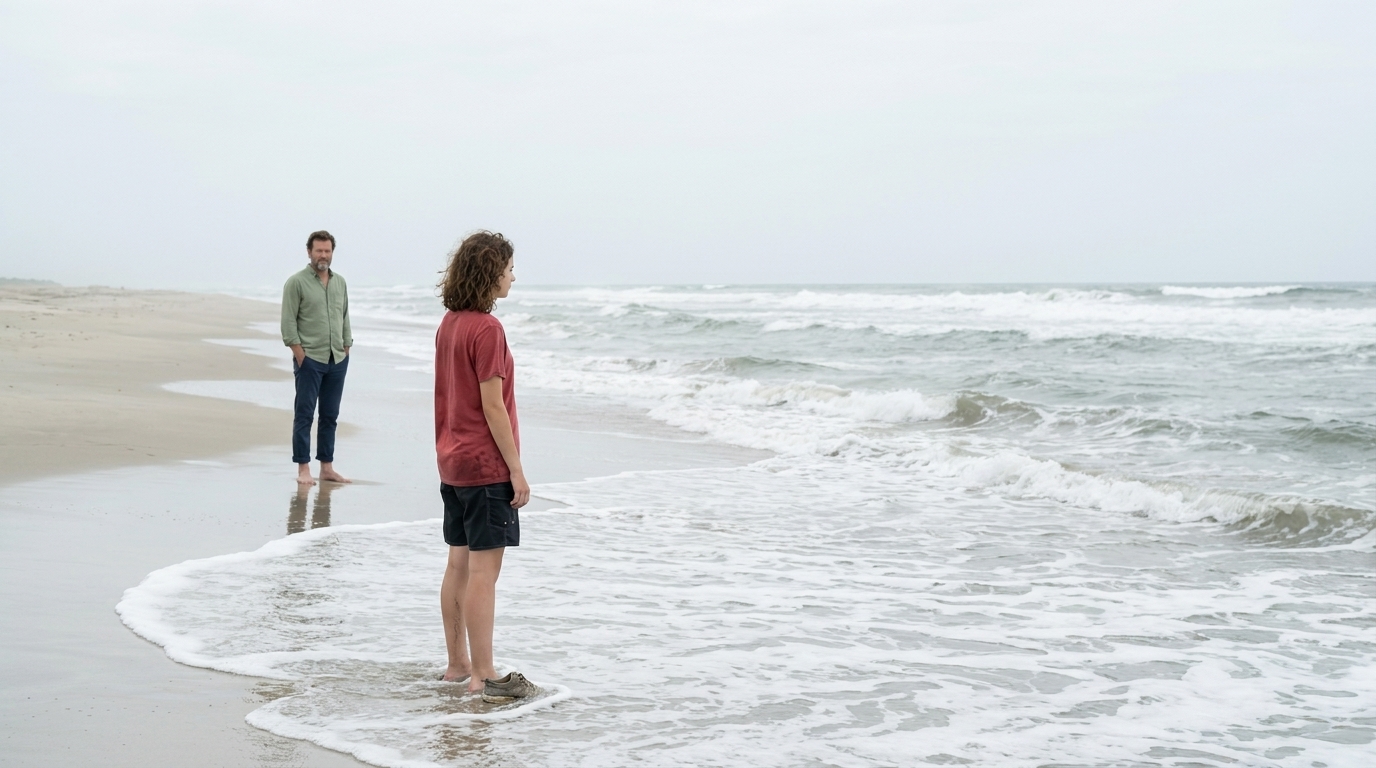 Three Ways to Understand a Country
Stefan drives Sophie to the Pacific for two days. The beach is big enough to make her feel appropriately small. Back at the finca the rain keeps th...
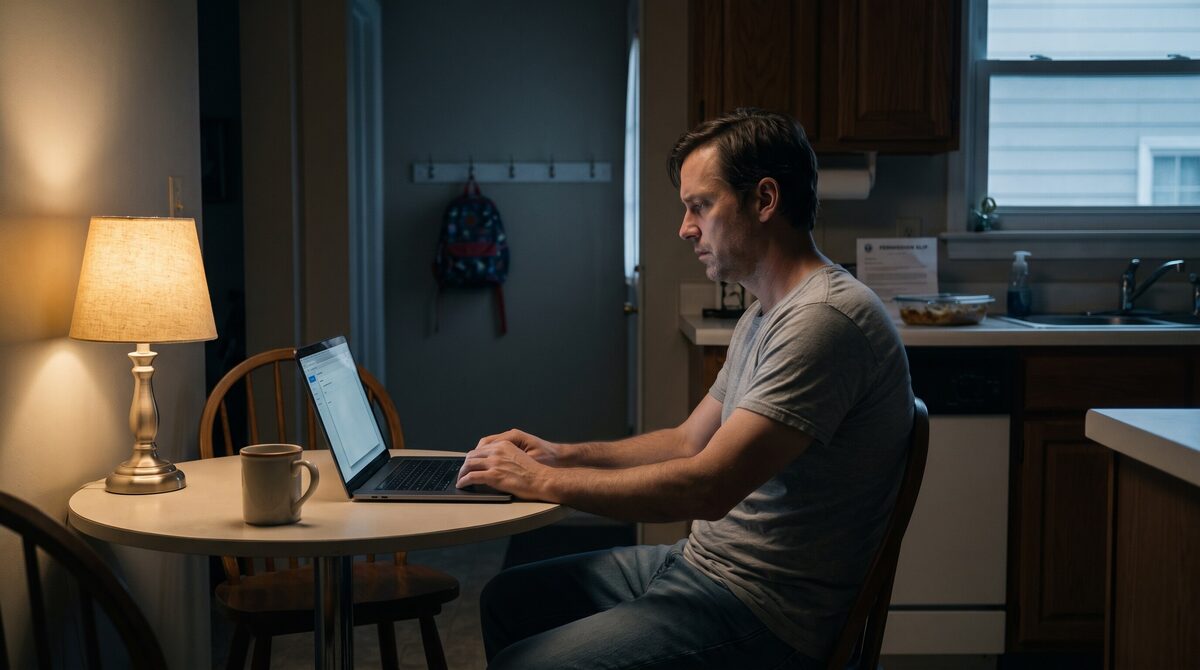 The Resignations
Nathan Cole resigns on a Monday morning with two sentences and no argument left in his body. By Tuesday his desk is empty and the company's institu...
Technical Consultancy
Embedded Delivery Partner
Embedded into your team as an active contributor, reducing delivery friction and helping important work move cleanly.
Technical Advisor
Peer-style technical assessments before far-reaching decisions; reduce architectural and product risk early.
Product & Delivery
Ship working software to real users earlier. Measure impact and adapt based on evidence rather than assumption.
Custom Software Development
High quality, maintainable software. Short-term augmentation that leaves lasting capability in your own team.
Recent Articles
- When Everything Is Finally Under Control (28.09.2026)
- AI Makes Technical Execution Cheap. Judgment Stays Scarce. (24.09.2026)
- The LLM Will Not Come Back Tomorrow (19.09.2026)
- The One-Person AI Company Is a Greed Fantasy (15.09.2026)
- Test Production Without Leaving a Mess (10.09.2026)
Explore More